


3121 Prince
At a glance
Is 3121 Prince worth trying?
3121 by Prince is a Floral fragrance for women.
- Best match
- Evening wear in Spring
- Performance feel
- Good longevity with Moderate sillage
- Signature profile
- white floral, woody, citrus with Gardenia, Bergamot, Jasmine
The first impression
3121 by Prince is a Floral fragrance for women. 3121 was launched in 2007. The nose behind this fragrance is Adriana Medina-Baez. Top notes are Gardenia, Bergamot and Jasmine; middle notes are Tuberose, Orange Blossom, Ylang-Ylang and Lily-of-the-Valley; base notes are Cedar, Musk, Sandalwood and Patchouli.
What shapes the scent
The perfumer behind it

Adriana Medina-Baez
Adriana Medina-Baez is a perfumer known for her work with major brands like Bath & Body Works and Avon. Her style often blends fresh florals with warm, inviting accords, as seen in creations such as Poppy and A Thousand Wishes. She has also crafted distinctive scents for Anthropologie and Christian Audigier, showcasing her versatility across commercial and niche markets.
Notes pyramid
Top Notes
First impression · 15-30 min
 Gardenia
 Bergamot
 Jasmine
Heart Notes
Core character · 2-4 hours
 Tuberose
 Orange Blossom
 Ylang-Ylang
 Lily-of-the-Valley
Base Notes
Lasting impression · 4+ hours
 Cedar
Cedar
 Musk
Musk
 Sandalwood
 Patchouli
The mood it creates
The Magician Archetype: Portrait of 3121 Prince
Essence
To wear 3121 Prince is to embrace a fragrance that is bold, enigmatic, and unapologetically sensual-a scent that refuses to be confined by convention. The person who cherishes this fragrance is not merely drawn to its notes of lavender, peach, and amber; they are seduced by its audacity, its playfulness, and its refusal to be ordinary. At their core, they are the Magician-the archetype of transformation, allure, and the alchemy of identity.
Style & Aesthetic
Their lifestyle is a carefully curated performance. They may thrive in creative fields-music, fashion, writing, or design-where they can channel their visionary impulses. Even in more conventional roles, they bring an edge of unpredictability, turning routine into ritual, obligation into artistry.
They are drawn to the night, to dimly lit lounges where conversations spiral into the surreal. They enjoy fine things but disdain pretension; luxury, to them, is not about status but sensation. A well-crafted cocktail, the texture of velvet, the flicker of candlelight-these are their sacraments.
Philosophy & Values
Their philosophy is one of fluidity. They reject rigid dogma, seeing life as a canvas to be painted and repainted. To them, identity is not fixed but a performance, a series of masks worn with intention. They believe in the power of reinvention-that one can be many things, sometimes all at once.
Their values center on authenticity-not in the banal sense of "being oneself," but in the deeper, more radical sense of choosing who to be at any given moment. They despise hypocrisy but adore paradox, finding truth in contradictions. Freedom is their highest ideal, but not the reckless kind; theirs is the freedom of the artist, the mystic, the provocateur who bends reality to their will.
Relationships
In relationships, they are both enchanting and elusive. They draw people in with their wit, their charm, their ability to make others feel seen. Yet they resist being fully known, guarding their depths like a magician guarding their secrets. Their lovers and friends are often left mesmerized but slightly unsettled, wondering if they ever truly grasped them at all.
They are not cruel, but they are selective. Their affections are not given lightly, and when they are, they demand reciprocity in passion and intensity. Superficial connections bore them; they crave those who can match their intellectual and emotional dexterity.
Shadow
Yet every Magician risks becoming lost in their own illusions. Their greatest strength-their ability to transform-can become their downfall when they lose touch with a stable sense of self. They may grow manipulative, not out of malice, but because they see life as a game of perception, where truth is malleable.
Their charm can curdle into superficiality, their love of mystery into evasiveness. They may struggle with commitment, not because they fear intimacy, but because they fear stagnation. The paradox of their nature is that while they prize authenticity, they are always performing-even for themselves.
Conclusion
To love 3121 Prince is to embody the Magician’s paradox: a being of both light and shadow, of revelation and concealment. They are not for everyone, nor do they wish to be. Their life is a tapestry of reinvention, a dance between control and surrender.
They do not seek to be understood-only to be unforgettable. And in that, they succeed.
If you like this, try these
Fragrances with a comparable profile - shared accords, notes, and character.

Edeniste
Jasmin Cruel Edeniste
Shared top notes: bergamot
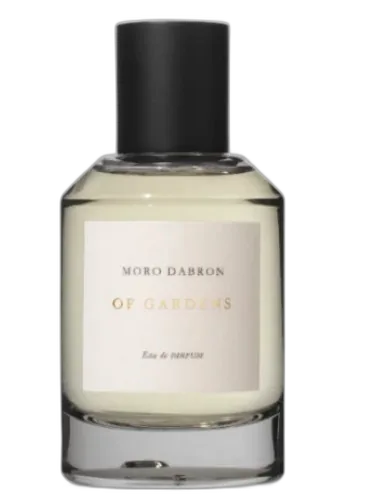
Moro Dabron
Of Gardens Moro Dabron
Shared top notes: bergamot

Luisa Spagnoli
Luisa Luisa Spagnoli
Shared top notes: bergamot
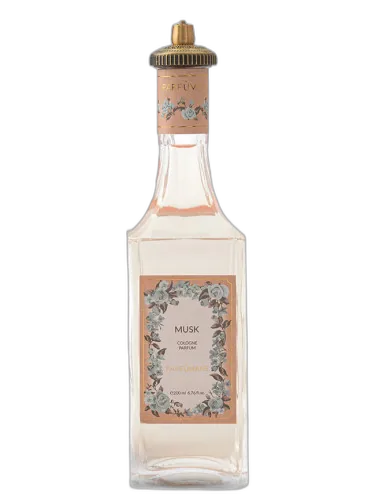
Parfumane
Musk Parfumane
Shared top notes: bergamot

Sospiro Perfumes
Cadenza Sospiro Perfumes
Shared top notes: bergamot, jasmine