


Art 13 - É Tanta Roba Profumi D'art X Armaf
Fragrance Story
Art 13 - É Tanta Roba by Profumi d'Art X Armaf is a fragrance for women and men. This is a new fragrance. Art 13 - É Tanta Roba was launched in 2024. The nose behind this fragrance is Arturetto Landi. Top notes are Saffron, Mango, Raspberry, Bergamot, Coconut and Plum; middle notes are Rose, Magnolia, Iris and Jasmine; base notes are Agarwood, Castoreum, Labdanum, Leather, Moss, Sandalwood, Frankincense, Cedarwood, Vetiver, Amber, Musk and Vanilla.
Composition Profile
About the Perfumer

Arturetto Landi
Arturetto Landi is an Italian perfumer known for his work with brands like Adjiumi and Al-Jazeera Perfumes. His style balances classic structure with bold contrasts, often blending rich resins with unexpected floral or gourmand notes. Notable creations include the complex 1918 Parfum National series and the intense, darkly sweet Adjiumi Incubo.
Fragrance Notes
Top Notes
First impression · 15-30 min
 Saffron
 Mango
Mango
 Raspberry
 Bergamot
 Coconut
 Plum
Plum
Heart Notes
Core character · 2-4 hours
 Rose
Rose
 Magnolia
 Iris
Iris
 Jasmine
Base Notes
Lasting impression · 4+ hours
 Agarwood
 Castoreum
 Labdanum
 Leather
 Moss
Moss
 Sandalwood
Frankincense
Cedarwood
Sandalwood
Frankincense
Cedarwood
 Vetiver
 Amber
Amber
 Musk
Musk
 Vanilla
Character Profile
The Alchemist Archetype: Portrait of Art 13 - É Tanta Roba Profumi D'art X Armaf
Essence
The person who gravitates toward Art 13 - É Tanta Roba Profumi D'art X Armaf is not one who seeks the ordinary. This fragrance-bold, complex, and unapologetically opulent-mirrors their soul: a restless experimenter, a seeker of transformation. They are the Alchemist, the archetype that embodies the relentless pursuit of turning base experiences into gold, of reshaping reality through sheer will and creativity.
They are drawn to the scent’s rich, layered composition-amber, spices, leather, and something indefinable, like the lingering trace of a midnight revelation. It is not a fragrance for the timid; it demands attention, just as they do. Their presence is magnetic, not because they crave validation, but because they refuse to be unseen.
Style & Aesthetic
Their taste is baroque in spirit-rich textures, deep colors, and an interplay of contrasts. They favor clothing that suggests both refinement and rebellion: tailored jackets with unexpected details, vintage pieces mixed with avant-garde designs. Their home is a curated chaos, filled with artifacts from travels, half-finished projects, and objects that seem to whisper secrets.
They are drawn to art that disturbs as much as it enchants-surrealist paintings, dissonant music, literature that blurs the line between beauty and decay. They do not seek comfort in art; they seek provocation.
Relationships
In love and friendship, they are intense but unpredictable. They crave deep, transformative connections-partners and friends who are not just companions but co-conspirators in the grand experiment of living. They are fiercely loyal to those who understand their need for reinvention, but they can also grow restless when relationships become static.
Their shadow emerges here: they may unconsciously treat people as ingredients in their personal alchemy, discarding those who no longer "fit" the current iteration of their self. They are not malicious, but they can be ruthless in their pursuit of growth, leaving behind those who cannot-or will not-evolve with them.
Shadow
The Alchemist’s greatest danger is their own hunger for transformation. When unbalanced, they become the Destroyer-not out of malice, but out of an inability to let anything remain unchanged. They may sabotage stability, mistaking comfort for stagnation. Their experiments can become self-destructive: volatile relationships, reckless career shifts, or an obsession with self-reinvention that borders on disintegration.
They must learn that not everything needs to be transmuted. Some things-love, trust, the quiet moments of contentment-are already gold.
Conclusion
They are neither saint nor sinner, but a force of perpetual becoming. Their life is a work in progress, a scent that lingers long after they’ve left the room-complex, intoxicating, impossible to ignore. They will never be at rest, and perhaps that is their destiny: to burn brightly, to dissolve and reform, to leave behind traces of their alchemy in the world.
And when they are gone, people will remember not just who they were, but what they made possible.
Similar Fragrances
Fragrances with a comparable profile - shared accords, notes, and character.

Maison IRFÉ
Smoldering Pepper Maison Irfé
Shared accords: amber, animalic, earthy

Sultan Pasha Attars
Requiem Sultan Pasha Attars
Shared accords: amber, animalic, leather

O'Driu
Gps O'driu
Shared accords: amber, animalic, earthy
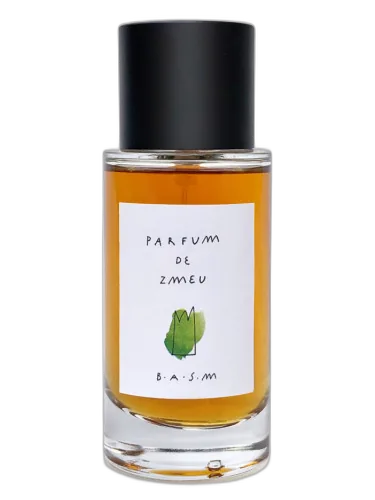
B.A.S.M. by Createur 5 D’Emotions
Parfum De Zmeu (ogre) B.a.s.m. By Createur 5 D’emotions
Shared accords: amber, animalic, earthy

The Spirit of Dubai
Haibah The Spirit Of Dubai
Shared accords: amber, animalic, earthy