
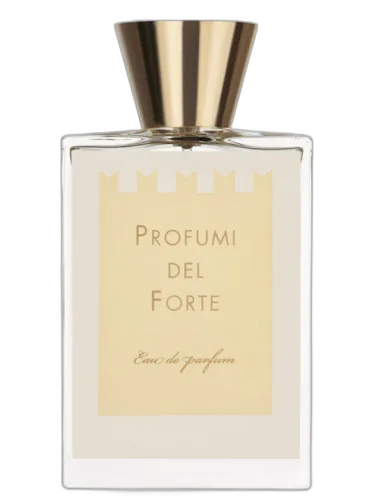

Ambra Mediterranea (versilia Vintage Ambra Mediterranea) Profumi Del Forte
At a glance
Is Ambra Mediterranea (versilia Vintage Ambra Mediterranea) Profumi Del Forte worth trying?
Ambra Mediterranea (Versilia Vintage Ambra Mediterranea) by Profumi del Forte is a Oriental fragrance for women and men.
- Best match
- Evening, Special Occasion wear in Fall, Winter
- Performance feel
- Very Good longevity with Strong sillage
- Signature profile
- amber, warm spicy, balsamic with Coriander, Orange, Ylang-Ylang
The first impression
Ambra Mediterranea (Versilia Vintage Ambra Mediterranea) by Profumi del Forte is a Oriental fragrance for women and men. Ambra Mediterranea (Versilia Vintage Ambra Mediterranea) was launched in 2009. The nose behind this fragrance is Arturetto Landi. Top notes are Coriander and Orange; middle notes are Ylang-Ylang and Jasmine; base notes are Siam Benzoin, Incense, Tolu Balsam, Vanilla, Ambergris, Cedar, Patchouli and White Musk.
What shapes the scent
The perfumer behind it

Arturetto Landi
Arturetto Landi is an Italian perfumer known for his work with brands like Adjiumi and Al-Jazeera Perfumes. His style balances classic structure with bold contrasts, often blending rich resins with unexpected floral or gourmand notes. Notable creations include the complex 1918 Parfum National series and the intense, darkly sweet Adjiumi Incubo.
Notes pyramid
Top Notes
First impression · 15-30 min
 Coriander
 Orange
Heart Notes
Core character · 2-4 hours
 Ylang-Ylang
 Jasmine
Base Notes
Lasting impression · 4+ hours
 Siam Benzoin
 Incense
 Tolu Balsam
 Vanilla
 Ambergris
 Cedar
Cedar
 Patchouli
White Musk
Patchouli
White Musk
The mood it creates
The Sage Archetype: Portrait of Ambra Mediterranea (versilia Vintage Ambra Mediterranea) Profumi Del Forte
Essence
To wear Ambra Mediterranea is to drape oneself in the warmth of antiquity, in the slow-burning embers of time. This fragrance is not loud, nor does it clamor for attention-it is a whispered secret, an invitation to lean closer. The scent is rich with amber’s golden depth, resinous and enveloping, yet softened by Mediterranean herbs, a touch of spice, and the faintest memory of sun-warmed stone. It does not belong to those who chase trends but to those who seek permanence, who value the weight of history in their palms.
The one who chooses this fragrance is, above all, a Sage-a seeker of wisdom, a collector of truths. Like Jung’s archetype, they are drawn to knowledge not for power but for its own sake, for the quiet satisfaction of understanding. They are the observer at the edge of the room, the one who listens more than they speak, who absorbs the world before offering judgment. Their mind is a library, their soul a crucible where experience is distilled into insight.
Yet the Sage is not merely a passive scholar. They are alchemists of thought, transforming raw experience into something refined, something lasting. They do not rush; they savor. Their presence is deliberate, their words measured. When they speak, it is with the weight of consideration, not the haste of impulse.
Shadow
Yet wisdom has its price. The Sage’s greatest strength-their detachment-can become their flaw. In their pursuit of understanding, they may withhold themselves from life, preferring observation to participation. They risk becoming spectators in their own existence, analyzing emotions rather than feeling them fully. Their measured nature can tip into indecision, paralysis by over-analysis.
Their love of depth can also breed intellectual arrogance. They may dismiss those who do not share their curiosity, who live more by instinct than reflection. In their quiet confidence, there can be a subtle condescension, an unspoken belief that they see what others do not.
And then there is the danger of isolation. The Sage thrives in solitude, but too much of it can calcify into loneliness. They may forget that wisdom is not only found in books but in the messiness of human connection, in the unscripted moments they so often observe from a distance.
The one who wears Ambra Mediterranea is neither purely the enlightened scholar nor the detached recluse. They are both, in turns. Their challenge is to balance their love of wisdom with the courage to live-to step out of the library, to let the world leave its mark on them as much as they seek to understand it.
They are the keeper of slow fires, the one who knows that the most precious things-like amber-are formed over time. Their life is not one of grand gestures but of accumulated meaning, of quiet revolutions in thought and being. And in the end, perhaps that is the greatest wisdom of all: to know when to reflect, and when to simply breathe in the warmth of the sun.
Conclusion
Their tastes are classic yet unconventional-they prefer the well-worn leather of an old book to the gloss of a new bestseller, the patina of aged wood to the sterility of modern minimalism. Their style is understated but textured: linen shirts that soften with time, a single well-chosen piece of jewelry, perhaps an antique signet ring. They do not follow fashion; they cultivate an aesthetic that speaks of depth rather than novelty.
Philosophy is not an abstract exercise for them but a lived discipline. They may be drawn to Stoicism for its emphasis on self-mastery, to existentialism for its embrace of meaning-making, or to Eastern thought for its balance. What matters is not the school but the application-they seek frameworks that help them navigate life with clarity.
In relationships, they are loyal but reserved. They do not give their trust lightly, but once given, it is steadfast. Their love is not effusive but enduring, like the slow burn of amber. They are drawn to those who can match their depth, who appreciate silence as much as conversation. Superficiality repels them; they crave exchanges that leave both parties changed.
Their lifestyle is one of curated solitude. They are not hermits, but they require time alone to reflect, to recharge. They may live in a city but retreat to quiet corners-a dimly lit café, a private garden, a study lined with books. They move through the world with a quiet confidence, neither seeking nor avoiding attention.
If you like this, try these
Fragrances with a comparable profile - shared accords, notes, and character.

The House Of Potentia
Amber God The House Of Potentia
Shared top notes: coriander
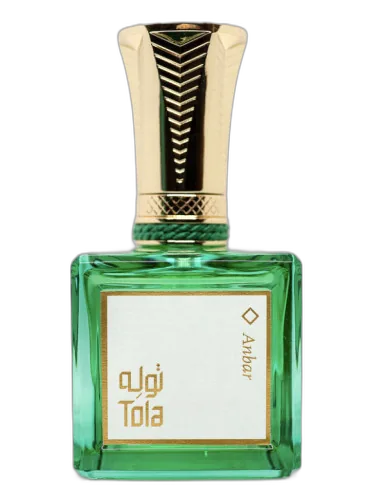
Tola
Anbar Tola
Shared top notes: orange
Pierre Precieuse
White Diamond Pierre Precieuse
Shared top notes: orange
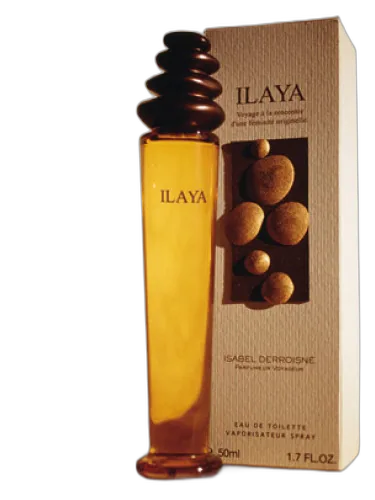
ID Parfums
Ilaya Id Parfums
Shared heart notes: jasmine, ylang-ylang

True Diamond Perfume
Perfect Match True Diamond Perfume
Shared top notes: orange