


Frescoamaro Profumi Del Forte
At a glance
Is Frescoamaro Profumi Del Forte worth trying?
Frescoamaro by Profumi del Forte is a Chypre Floral fragrance for women.
- Best match
- Casual wear in Spring, Summer
- Performance feel
- Moderate longevity with Moderate sillage
- Signature profile
- aromatic, ozonic, aquatic with Gin, Cucumber, Grapefruit
The first impression
Frescoamaro by Profumi del Forte is a Chypre Floral fragrance for women. Frescoamaro was launched in 2012. The nose behind this fragrance is Bertrand Duchaufour. Top notes are Gin, Cucumber, Grapefruit, Juniper Berries, Violet Leaf and Melon; middle notes are Damask Rose and Osmanthus; base notes are Musk, Moss and Vetiver.
What shapes the scent
The perfumer behind it

Bertrand Duchaufour
Bertrand Duchaufour is a renowned French perfumer with a prolific career spanning many brands. He has created fragrances for Acqua di Parma, including Blu Mediterraneo - Cipresso Di Toscana and Colonia Assoluta, as well as for Aedes de Venustas, such as Café Tabac and Copal Azur. His style is known for its complexity and use of natural ingredients.
Notes pyramid
Top Notes
First impression · 15-30 min
 Gin
Gin
 Cucumber
 Grapefruit
 Juniper Berries
 Violet Leaf
 Melon
Melon
Heart Notes
Core character · 2-4 hours
Damask Rose
 Osmanthus
Base Notes
Lasting impression · 4+ hours
 Musk
Moss
Musk
Moss
 Vetiver
The mood it creates
The Lover Archetype: Portrait of Frescoamaro Profumi Del Forte
Essence
To wear Frescoamaro Profumi Del Forte is to embrace a fragrance that is at once bold and contemplative-citrus sharpness softened by woody depth, a scent that does not shout but lingers with quiet authority. The person who chooses this fragrance is not one for fleeting impressions; they seek meaning, precision, and a refined understanding of the world. They are, at their core, a Sage-an archetype defined by wisdom, discernment, and an unrelenting pursuit of truth.
They move through life with measured grace, their presence neither overwhelming nor easily dismissed. Their mind is their greatest asset, a finely tuned instrument that dissects ideas, observes patterns, and distills complexity into clarity. They are drawn to the intellectual, the enigmatic, the things that require patience to unravel. Yet beneath their composed exterior lies a quiet intensity-a hunger for knowledge that borders on obsession.
Style & Aesthetic
Their tastes are deliberate, never accidental. They prefer the understated elegance of tailored minimalism-clean lines, muted tones, fabrics that whisper rather than scream. Their wardrobe is curated, each piece chosen for its timelessness rather than trend. They might favor a well-cut blazer, a perfectly weighted watch, or a pair of shoes that age beautifully with wear.
In art, they are drawn to the abstract and the symbolic-works that demand interpretation, like Rothko’s color fields or the geometric precision of Bauhaus design. Their music leans toward the cerebral: jazz that bends structure, classical compositions with intricate counterpoint, or ambient soundscapes that evoke introspection. They do not consume culture passively; they engage with it, dissecting its layers like an archaeologist uncovering buried meaning.
Their days are structured, not out of rigidity but out of efficiency. They rise early, savoring the quiet hours when the world is still half-asleep. They may practice meditation, not for spiritual transcendence but for mental clarity-a way to sharpen the blade of their thoughts.
They are drawn to professions that reward depth: academia, research, writing, or any field where insight is currency. They work not for accolades but for the satisfaction of solving the puzzle, of seeing the hidden connections others miss. Yet this can make them prone to overthinking, to paralysis by analysis. At times, they must remind themselves that not everything can be understood-some things must simply be lived.
Philosophy & Values
Truth is their compass, even when it is inconvenient. They believe in the power of reason, though they are not naive enough to think it governs all human affairs. Their philosophy is one of lucidity-they abhor dogma, preferring instead the slow, deliberate work of questioning, testing, and refining their beliefs. They are not afraid of uncertainty, for they know that wisdom lies in recognizing the limits of knowledge.
They value independence of thought above all else. Conformity is a prison; originality, even when flawed, is a virtue. Yet this can make them impatient with those who do not share their rigor. They may dismiss emotion as irrational, forgetting that the heart, too, has its own logic-one that cannot always be parsed by intellect alone.
Relationships
They are not gregarious by nature, though they are capable of great warmth with those who earn their trust. Their friendships are few but deep, built on mutual respect and intellectual kinship. They do not suffer fools gladly, and their sharp wit can sometimes wound without intent.
In love, they are cautious, preferring a partner who challenges them rather than one who merely adores them. They seek someone who can match their intensity, who understands that their occasional detachment is not indifference but the price of a mind that never stops analyzing. Their greatest fear in relationships is stagnation-the thought of being trapped in a dynamic that no longer stimulates their curiosity.
Shadow
The Sage’s greatest weakness is their own intellect. When unbalanced, they can become dogmatic in their skepticism, dismissing anything that does not fit their framework as irrational or naive. Their pursuit of truth can harden into intellectual pride, a belief that their way of seeing the world is superior.
They may struggle with vulnerability, retreating into rationality as a defense against messy emotions. Their sharp tongue, once a tool for precision, can turn into a weapon, leaving others feeling diminished. And if they are not careful, their love of solitude can curdle into isolation, leaving them stranded in the fortress of their own mind.
Conclusion
The true test of the Sage is not in how much they know, but in how they wield that knowledge. To grow, they must learn that wisdom without compassion is sterile-that the mind, for all its brilliance, is only one facet of the human experience. When they embrace this balance, they become not just thinkers but guides-those rare individuals who illuminate the path without insisting others walk it exactly as they do.
And so they continue, ever searching, ever questioning, their Frescoamaro lingering in the air like the echo of an unsolved riddle.
If you like this, try these
Fragrances with a comparable profile - shared accords, notes, and character.
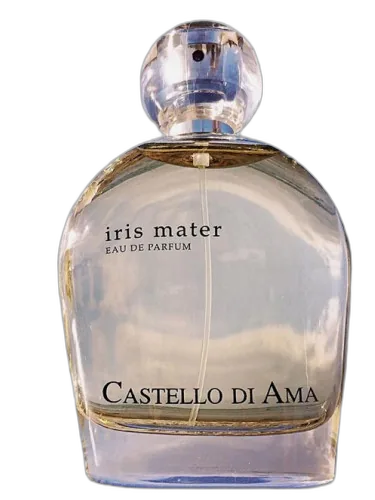
Castello di Ama
Iris Mater Castello Di Ama
Shared top notes: violet leaf

Maison Martin Margiela
On A Date Maison Martin Margiela
Shared base notes: moss, musk, vetiver

Roberto Verino
Rv Pure For Her Roberto Verino
Shared top notes: violet leaf
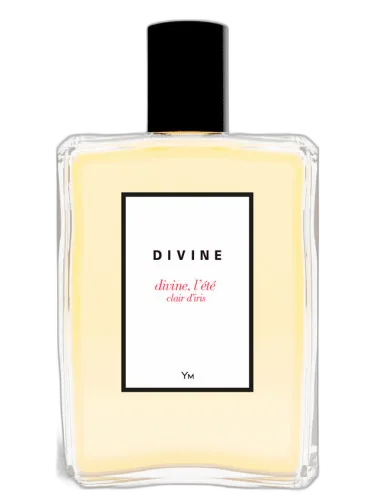
Divine
Divine, L’été Clair D’iris Divine
Shared base notes: moss, musk, vetiver

Yves Rocher
Comme Une Evidence L'eau De Parfum Yves Rocher
Shared heart notes: damask rose