
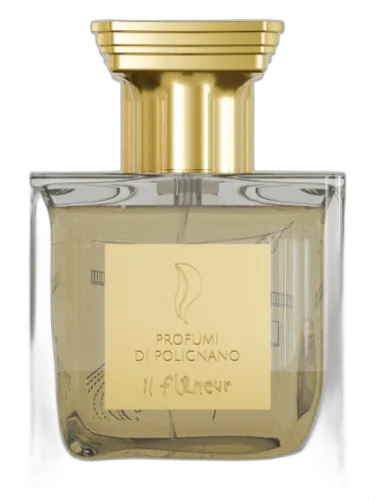

Il Flaneur Extrait De Parfum Profumi Di Polignano
At a glance
Is Il Flaneur Extrait De Parfum Profumi Di Polignano worth trying?
Il Flaneur Extrait de Parfum by Profumi Di Polignano is a fragrance for women and men.
- Best match
- Evening, Special Occasion wear in Fall, Winter
- Performance feel
- Very Good longevity with Strong sillage
- Signature profile
- fresh spicy, woody, warm spicy with Saffron, Black Pepper, Pink Pepper
The first impression
Il Flaneur Extrait de Parfum by Profumi Di Polignano is a fragrance for women and men. This is a new fragrance. Il Flaneur Extrait de Parfum was launched in 2022. The nose behind this fragrance is Arturetto Landi. Top notes are Saffron, Black Pepper, Pink Pepper, Grapefruit and Coconut; middle notes are Pistachio, Fig, Rose, Geranium and Jasmine Sambac; base notes are Leather, Musk, Patchouli, Agarwood (Oud), Amber and Sandalwood.
What shapes the scent
The perfumer behind it

Arturetto Landi
Arturetto Landi is an Italian perfumer known for his work with brands like Adjiumi and Al-Jazeera Perfumes. His style balances classic structure with bold contrasts, often blending rich resins with unexpected floral or gourmand notes. Notable creations include the complex 1918 Parfum National series and the intense, darkly sweet Adjiumi Incubo.
Notes pyramid
Top Notes
First impression · 15-30 min
 Saffron
 Black Pepper
 Pink Pepper
 Grapefruit
 Coconut
Heart Notes
Core character · 2-4 hours
 Pistachio
 Fig
Fig
 Rose
Rose
 Geranium
Jasmine Sambac
Geranium
Jasmine Sambac
Base Notes
Lasting impression · 4+ hours
 Leather
 Musk
Musk
 Patchouli
 Agarwood (Oud)
 Amber
Amber
 Sandalwood
The mood it creates
The Wanderer Archetype: Portrait of Il Flaneur Extrait De Parfum Profumi Di Polignano
Essence
This person is an embodiment of the Explorer-the restless seeker, the one who moves through life as if it were an uncharted map. They are not merely a traveler in the physical sense but a wanderer of the mind, drawn to the scent of unfamiliar streets, untried ideas, and the quiet thrill of the unknown. Il Flâneur-a fragrance that evokes the spirit of strolling without destination-mirrors their essence: a blend of curiosity, independence, and a touch of poetic detachment.
Style & Aesthetic
Their style is effortlessly deliberate-a mix of timeless elegance and subtle rebellion. They favor textures that tell stories: aged leather, raw linen, the faintest hint of tobacco lingering on fabric. Their scent, Il Flâneur, is their signature-a whisper of bergamot, cedar, and something indefinable, like the memory of a place they can’t quite name.
They are drawn to art that feels unfinished, music that drifts between melancholy and euphoria, literature that leaves room for interpretation. They admire the flâneurs of history-Baudelaire’s dreamers, Walter Benjamin’s urban wanderers-but they are no mere imitator. They carve their own path.
Philosophy & Values
They live by a simple but profound creed: To be is to wander. Their philosophy is not one of rigid doctrine but of fluid experience. They distrust dogma, preferring the shifting truths found in chance encounters, foreign cities, and the pages of half-forgotten books. Their tastes are eclectic-perhaps a worn leather-bound journal, a well-tailored but slightly disheveled coat, the bitter tang of espresso in a dimly lit café. They collect moments, not possessions.
Yet, beneath this romantic exterior lies a deeper hunger. They are not merely drifting; they are searching. For what? Even they may not know. The world is their question, and every step is an attempt at an answer.
Relationships
They love deeply but fleetingly. Their relationships are intense yet transient, like a conversation with a stranger on a night train. They are drawn to those who intrigue them-minds as restless as their own-but commitment feels like a cage. They leave before they can be left, always one step ahead of attachment.
Yet, this is not cruelty; it is self-preservation. To stay too long in one place is to risk stagnation, and stagnation is a kind of death. Their lovers remember them fondly, but with a tinge of melancholy-like a song that fades before the final note.
Shadow
But the Explorer has a shadow-the Fugitive. Their freedom, so intoxicating, can become an escape from depth. They mistake motion for growth, novelty for wisdom. Beneath the veneer of sophistication, there is sometimes a fear: What if I stop and find nothing?
They may grow weary, though they will never admit it. The road, once liberating, can become a prison of their own making. They risk becoming a ghost in their own life-always passing through, never truly inhabiting.
Conclusion
The true challenge for this soul is not in the journey itself but in learning when to pause. The greatest exploration may be the one that turns inward. If they can reconcile their hunger for the unknown with the quiet courage to stay-even briefly-they will find not just fleeting beauty, but something enduring.
For now, they walk, Il Flâneur lingering in their wake-a scent that is both an invitation and a farewell.
If you like this, try these
Fragrances with a comparable profile - shared accords, notes, and character.
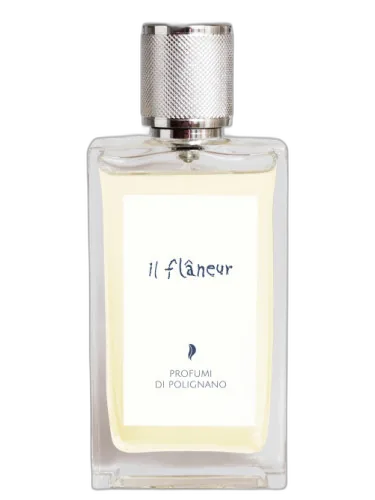
Profumi Di Polignano
Il Flaneur Profumi Di Polignano
Shared top notes: coconut, grapefruit, pink pepper
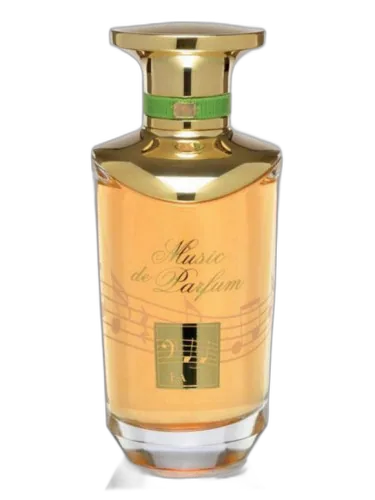
Music de Parfum
Fa Music De Parfum
Shared top notes: saffron

Olive Perfumes
Oriental Olive Perfumes
Shared top notes: black pepper, pink pepper, saffron

BESTSELLER
Royal Deluxe Bestseller
Shared heart notes: geranium, rose
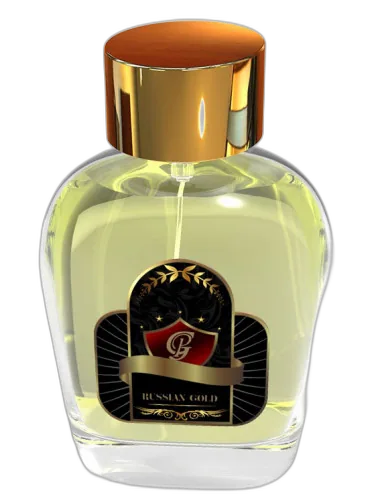
Pure Gold Perfumes
Russian Gold Pure Gold Perfumes
Shared top notes: pink pepper, saffron