
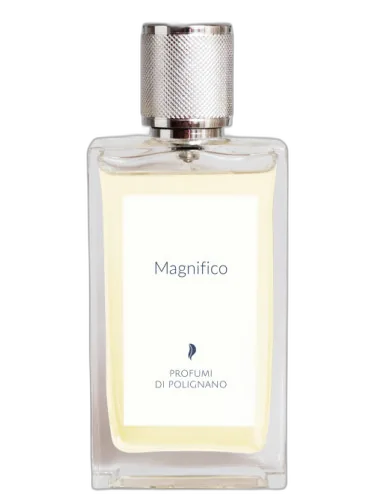

Magnifico Profumi Di Polignano
At a glance
Is Magnifico Profumi Di Polignano worth trying?
Magnifico by Profumi Di Polignano is a fragrance for women and men.
- Best match
- Evening wear in Fall
- Performance feel
- Very Good longevity with Strong sillage
- Signature profile
- green, sweet, woody with Fig, Mate, Fig Leaf
The first impression
Magnifico by Profumi Di Polignano is a fragrance for women and men. Magnifico was launched in 2018. The nose behind this fragrance is Arturetto Landi. Top notes are Fig and Mate; middle notes are Fig Leaf, Violet Leaf, Jasmine, Elderberry, Rose and Iris; base notes are Fig, Tonka Bean, Vanilla, Oakmoss, Sandalwood and Cedar.
What shapes the scent
The perfumer behind it

Arturetto Landi
Arturetto Landi is an Italian perfumer known for his work with brands like Adjiumi and Al-Jazeera Perfumes. His style balances classic structure with bold contrasts, often blending rich resins with unexpected floral or gourmand notes. Notable creations include the complex 1918 Parfum National series and the intense, darkly sweet Adjiumi Incubo.
Notes pyramid
Top Notes
First impression · 15-30 min
 Fig
Fig
 Mate
Mate
Heart Notes
Core character · 2-4 hours
 Fig Leaf
 Violet Leaf
 Jasmine
 Elderberry
 Rose
Rose
 Iris
Iris
Base Notes
Lasting impression · 4+ hours
Fig
 Tonka Bean
 Vanilla
 Oakmoss
 Sandalwood
 Cedar
Cedar
The mood it creates
The Lover Archetype: Portrait of Magnifico Profumi Di Polignano
Essence
To wear Magnifico Profumi Di Polignano is to embrace the intoxicating dance of beauty and desire. This fragrance-opulent, warm, and unapologetically sensual-belongs to one who lives through the senses, for whom experience is not merely observed but devoured. Their soul is ruled by The Lover, the Jungian archetype of passion, aesthetic devotion, and deep connection to pleasure. Yet, like all archetypes, this one casts a shadow-where ecstasy can tip into excess, where devotion becomes obsession.
Philosophy & Values
For them, beauty is not frivolous-it is the highest form of truth. They believe in the intelligence of the senses, that a well-lived life is measured not in achievements but in moments of transcendence: the first sip of an aged Barolo, the golden light of late afternoon on stone walls, the way a lover’s voice sounds just before dawn.
They are drawn to the philosophies of Epicurus and Rilke, finding wisdom in pleasure refined by discipline. Hedonism, to them, is not indulgence without thought but the careful cultivation of joy. They reject asceticism but equally disdain vulgar excess-there is an art to their abandon.
Relationships
In love, they are both artist and muse. They do not seek partners so much as kindred spirits who understand that intimacy is an act of creation. Their relationships are intense, poetic, sometimes tumultuous-because they crave depth, not comfort. They are generous lovers, attuned to every shift in mood, every unspoken desire. But they demand the same in return, and when they feel their passion met with indifference, they withdraw like a storm receding from shore.
Friendships, too, are curated. They have little patience for small talk or superficial bonds. Their inner circle is small but fiercely loyal, bound by shared aesthetic and intellectual passions. They are the confidant who remembers your favorite wine, who gifts you a novel they know will unravel you, who listens not just to your words but to the cadence of your silences.
Shadow
Yet, like all who live by sensation, they risk drowning in it. Their pursuit of beauty can become a prison-an endless hunger for the next exquisite thing, the next perfect moment. When disillusioned, they may spiral into melancholy, for they cannot abide a world that feels dull or indifferent.
Their greatest flaw is their impatience with the mundane. Life cannot always be a sonnet; sometimes it is a ledger, a chore, a compromise. But they chafe against this, sometimes abandoning stability for the sake of a fleeting thrill. And in their darkest hours, they may mistake intensity for meaning, losing themselves in passions that burn bright but leave only ashes.
Conclusion
This is a person who does not merely exist but flourishes. Their surroundings are curated with deliberate artistry: a home adorned with rich textures, bold colors, and objects that tell stories-antique Venetian glass, a well-worn leather-bound book of poetry, a single peony in a slender vase. They reject the sterile and the mass-produced, favoring the handcrafted, the rare, the things that pulse with life.
Their style is an extension of their philosophy: clothing is not just worn but composed. Silks, velvets, and linen in deep jewel tones drape their frame, always slightly dramatic but never garish. They understand the power of presence-how a slow turn of the wrist, the glint of a cufflink, the scent left in a room can linger long after they’ve gone.
If you like this, try these
Fragrances with a comparable profile - shared accords, notes, and character.
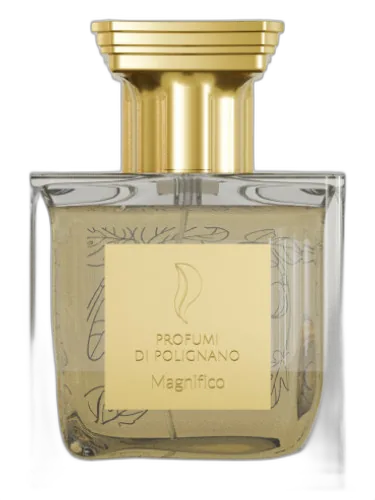
Profumi Di Polignano
Magnifico Extrait De Parfum Profumi Di Polignano
Shared top notes: fig, mate

Alain Delon
Lyra Alain Delon
Shared heart notes: iris, jasmine, rose

Zimaya
Zukhruf Cherry Zimaya
Shared heart notes: jasmine
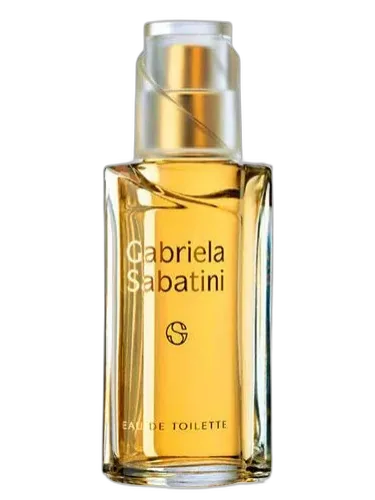
Gabriela Sabatini
Gabriela Sabatini Gabriela Sabatini
Shared heart notes: jasmine, rose

Chanel
Chanel No 5 Eau De Parfum Red Edition Chanel
Shared heart notes: iris, jasmine, rose