
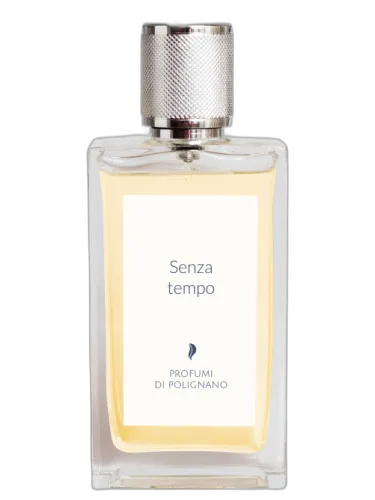

Senza Tempo Profumi Di Polignano
Fragrance Story
Senza Tempo by Profumi Di Polignano is a fragrance for women and men. Senza Tempo was launched in 2018. The nose behind this fragrance is Arturetto Landi. Top notes are Lavender, Absinthe and Cumin; middle notes are Black Pepper, Leather and Tobacco; base notes are Tonka Bean, Musk, Benzoin and Woodsy Notes.
Composition Profile
About the Perfumer

Arturetto Landi
Arturetto Landi is an Italian perfumer known for his work with brands like Adjiumi and Al-Jazeera Perfumes. His style balances classic structure with bold contrasts, often blending rich resins with unexpected floral or gourmand notes. Notable creations include the complex 1918 Parfum National series and the intense, darkly sweet Adjiumi Incubo.
Fragrance Notes
Top Notes
First impression · 15-30 min
 Lavender
 Absinthe
 Cumin
Cumin
Heart Notes
Core character · 2-4 hours
 Black Pepper
 Leather
 Tobacco
Base Notes
Lasting impression · 4+ hours
 Tonka Bean
 Musk
Musk
 Benzoin
Woodsy Notes
Benzoin
Woodsy Notes
Character Profile
The Wanderer Archetype: Portrait of Senza Tempo Profumi Di Polignano
Essence
To wear Senza Tempo Profumi Di Polignano is to embrace a paradox-an ode to timelessness wrapped in the fleeting nature of scent. This fragrance, with its blend of Mediterranean citrus, aromatic herbs, and woody warmth, evokes a soul who is neither bound by the past nor entirely surrendered to the present. They are, above all, a Wanderer-an archetype that embodies curiosity, independence, and a restless spirit.
The Wanderer is not merely a traveler in the physical sense but a seeker of experiences, ideas, and sensations. They are drawn to the unfamiliar, not out of dissatisfaction, but from an insatiable hunger for depth. Their philosophy is one of fluidity-life is not a fixed path but an ever-unfolding journey.
They reject rigid structures, preferring the organic flow of discovery. Their tastes reflect this: they might favor minimalist yet evocative design, where every object tells a story. Their wardrobe is curated but never contrived-linen shirts, well-worn leather shoes, a single piece of jewelry with personal significance. They appreciate craftsmanship but disdain excess.
In relationships, they are magnetic but elusive. They love deeply but resist confinement, valuing connection without possession. Their friendships span continents, their romances are intense but often transient-not from fear of commitment, but from an unwillingness to sacrifice their autonomy.
Shadow
Yet, the Wanderer’s freedom comes at a cost. Their aversion to permanence can manifest as an inability to fully settle, even when stability might serve them. They may mistake motion for progress, accumulating experiences without ever integrating them into a cohesive sense of self.
Their independence can also become isolation. They may struggle with vulnerability, preferring the safety of detachment over the messiness of deep emotional ties. At their worst, they become ghostly figures-present but never fully there, leaving behind a trail of half-finished relationships and unexplored potentials.
Conclusion
The Wanderer’s greatest strength is their refusal to be complacent. They are unafraid of solitude, finding richness in their own company. Their mind is a repository of stories, philosophies, and half-formed dreams. They are the kind of person who can strike up a conversation with a stranger and leave them feeling illuminated.
They value authenticity above all else. Pretense bores them; they seek raw, unfiltered experiences. This makes them exceptional listeners, intuitive friends, and often, accidental mentors. Their presence is grounding precisely because they are so comfortable with uncertainty.
Similar Fragrances
Fragrances with a comparable profile - shared accords, notes, and character.
Profumi Di Polignano
Senza Tempo Profumi Di Polignano
Shared accords: amber, aromatic, bitter
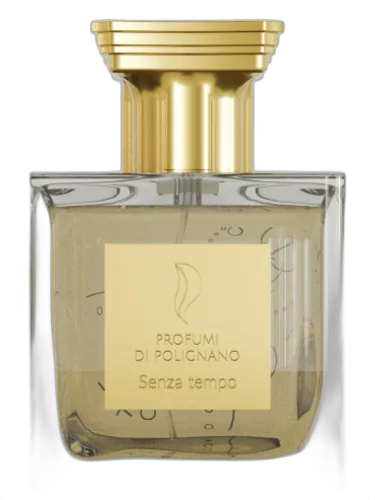
Profumi Di Polignano
Senza Tempo Extrait De Parfum Profumi Di Polignano
Shared accords: amber, aromatic, fresh spicy

Lush
Twilight Body Spray Lush
Shared accords: amber, aromatic, fresh spicy
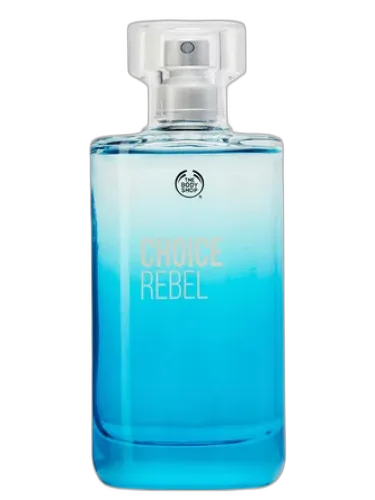
The Body Shop
Choice Rebel The Body Shop
Shared accords: amber, aromatic, fresh spicy
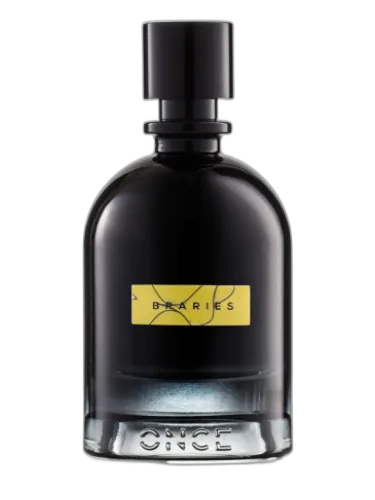
Once
Braries Once
Shared accords: amber, fresh spicy, musky