


Volare Extrait De Parfum Profumi Di Polignano
At a glance
Is Volare Extrait De Parfum Profumi Di Polignano worth trying?
Volare Extrait de Parfum by Profumi Di Polignano is a fragrance for women and men.
- Best match
- Evening, Special Occasion wear in Spring, Summer
- Performance feel
- Very Good longevity with Strong sillage
- Signature profile
- aromatic, fresh spicy, rose with Coriander, Saffron, Seaweed
The first impression
Volare Extrait de Parfum by Profumi Di Polignano is a fragrance for women and men. This is a new fragrance. Volare Extrait de Parfum was launched in 2022. The nose behind this fragrance is Arturetto Landi. Top notes are Coriander, Saffron and Seaweed; middle notes are Rose, Geranium and Ylang-Ylang; base notes are Black Pepper, Pink Pepper and White Musk.
What shapes the scent
The perfumer behind it
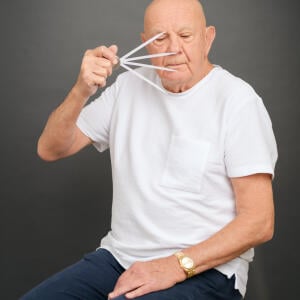
Arturetto Landi
Arturetto Landi is an Italian perfumer known for his work with brands like Adjiumi and Al-Jazeera Perfumes. His style balances classic structure with bold contrasts, often blending rich resins with unexpected floral or gourmand notes. Notable creations include the complex 1918 Parfum National series and the intense, darkly sweet Adjiumi Incubo.
Notes pyramid
Top Notes
First impression · 15-30 min
 Coriander
 Saffron
 Seaweed
Heart Notes
Core character · 2-4 hours
 Rose
Rose
 Geranium
 Ylang-Ylang
Base Notes
Lasting impression · 4+ hours
Black Pepper
 Pink Pepper
White Musk
Pink Pepper
White Musk
The mood it creates
The Explorer Archetype: Portrait of Volare Extrait De Parfum Profumi Di Polignano
Essence
To wear Volare Extrait De Parfum Profumi Di Polignano is to embody an essence of movement, of windswept cliffs and sunlit horizons. This fragrance-citrusy yet deep, fresh yet mysterious-belongs to one who is not content with standing still. Their spirit is restless, their curiosity boundless. They are the Explorer, an archetype defined by the pursuit of the unknown, the uncharted, the undiscovered.
Shadow
Yet, no archetype is without its darkness. The Explorer’s relentless motion can become a form of evasion. They may mistake movement for growth, mistaking new scenery for true transformation. Their fear of stagnation can morph into an inability to commit-to places, to people, to themselves.
Their relationships may suffer from their transience. They leave behind admirers who wonder if they were ever truly seen, or if they were merely another landmark on an endless journey. Their philosophy of freedom can, at times, become an excuse for detachment. The shadow of the Explorer is the gnawing suspicion that they are running-not toward something, but away.
Conclusion
The Explorer thrives on novelty. Their life is an unfolding map, each destination a question rather than an answer. They are drawn to experiences that challenge their senses-foreign cities, unfamiliar flavors, conversations with strangers who become temporary companions. Their tastes are eclectic, shaped by a refusal to be confined by tradition. In art, they favor the abstract or the avant-garde; in music, the experimental or the world-spanning. Their wardrobe is a mosaic of textures and influences-linen from a Moroccan souk, a scarf bartered in Istanbul, boots worn thin by wandering.
Philosophically, they reject dogma. They see life as a series of encounters, each one a chance to expand their understanding. Their values center on freedom-not as mere rebellion, but as a sacred necessity. Routine is their adversary; stagnation, their greatest fear. They are not reckless, but they are willing to risk comfort for the sake of discovery.
If you like this, try these
Fragrances with a comparable profile - shared accords, notes, and character.
Profumi Di Polignano
Volare Profumi Di Polignano
Shared top notes: coriander, saffron, seaweed
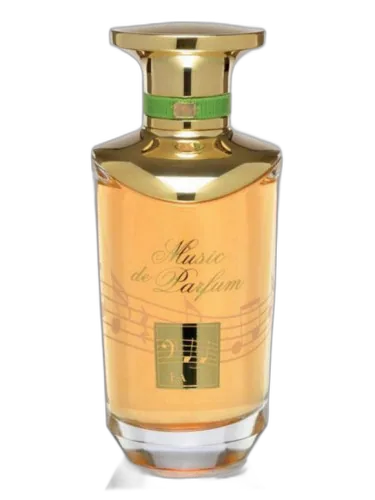
Music de Parfum
Fa Music De Parfum
Shared top notes: saffron
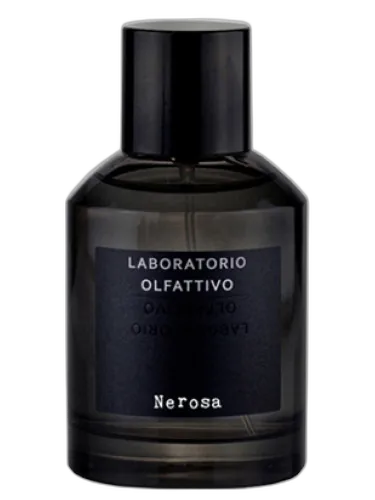
Laboratorio Olfattivo
Nerosa Laboratorio Olfattivo
Shared top notes: saffron
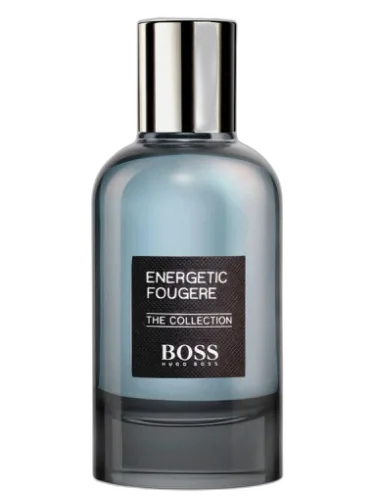
Hugo Boss
The Collection Energetic Fougère Hugo Boss
Shared heart notes: geranium, rose
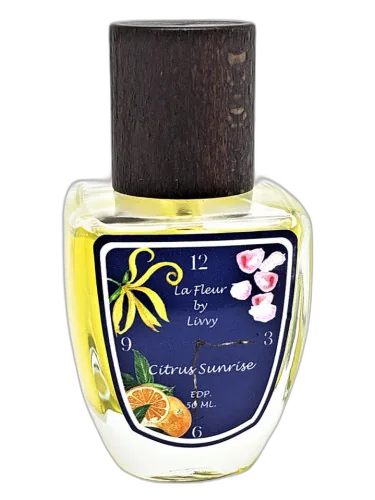
La Fleur by Livvy
Citrus Sunrise La Fleur By Livvy
Shared heart notes: geranium, rose, ylang-ylang