
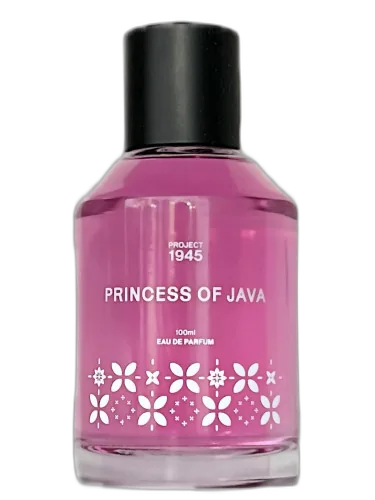

Princess Of Java Project 1945
At a glance
Is Princess Of Java Project 1945 worth trying?
Princess of Java by Project 1945 is a fragrance for women and men.
- Best match
- Evening wear in Fall
- Performance feel
- Very Good longevity with Strong sillage
- Signature profile
- white floral, powdery, tuberose with Peach, Green Pear, Bitter Orange
The first impression
Princess of Java by Project 1945 is a fragrance for women and men. This is a new fragrance. Princess of Java was launched in 2022. Top notes are Peach, Green Pear and Bitter Orange; middle notes are Jasmine, Orange Blossom, Tuberose and Neroli; base notes are Amber, Musk, Sandalwood and Vanilla.
What shapes the scent
The perfumer behind it

Unknown Perfumer
Notes pyramid
Top Notes
First impression · 15-30 min
 Peach
Peach
 Green Pear
 Bitter Orange
Heart Notes
Core character · 2-4 hours
 Jasmine
 Orange Blossom
 Tuberose
 Neroli
Base Notes
Lasting impression · 4+ hours
 Amber
Amber
 Musk
Musk
 Sandalwood
 Vanilla
The mood it creates
The Lover Archetype: Portrait of Princess Of Java Project 1945
Essence
The one who wears Princess of Java Project 1945 is not merely drawn to fragrance-they are drawn to the alchemy of seduction, mystery, and transformation. Their essence aligns most closely with The Enchantress, a figure who wields allure as both armor and art. Like the perfume itself-exotic, floral, with whispers of spice-they are a paradox of delicacy and power. They do not seek to dominate but to captivate, to draw others into their world through an intoxicating blend of presence and elusiveness.
Shadow
Yet enchantment has its price. The same allure that draws others in can become a barrier to true intimacy. They risk becoming a mirage, admired but never grasped, loved but never fully seen. Their elegance can curdle into affectation; their mystique can harden into evasion. At their worst, they may retreat into the role of the eternal muse, never stepping into the vulnerability of being the artist themselves.
There is also the danger of mistaking fascination for fulfillment. They may flit from one passion to another, always chasing the next intoxicating experience, never allowing themselves to be rooted long enough to grow. The world is their stage-but what happens when the curtain falls, and they are left alone with their own reflection?
Conclusion
Their tastes are refined but never ostentatious. They prefer the understated luxury of handcrafted silks, the weight of antique jewelry, the flicker of candlelight over harsh electric glare. Their home is a sanctuary of textures-velvet drapes, aged wood, the faintest trace of incense lingering in the air. They are drawn to art that evokes longing: Pre-Raphaelite paintings, the poetry of Rumi, the melancholic chords of Erik Satie.
Philosophy, for them, is not an abstract exercise but a lived experience. They believe in the power of the senses to reveal truth, that beauty is not frivolous but a language of the soul. They reject the notion that one must choose between intellect and passion-they embrace both, seeing no contradiction in a mind that dissects Kant while a body surrenders to the rhythms of flamenco.
If you like this, try these
Fragrances with a comparable profile - shared accords, notes, and character.

Le Labo
Jasmin 17 Perfume Oil Le Labo
Shared top notes: bitter orange
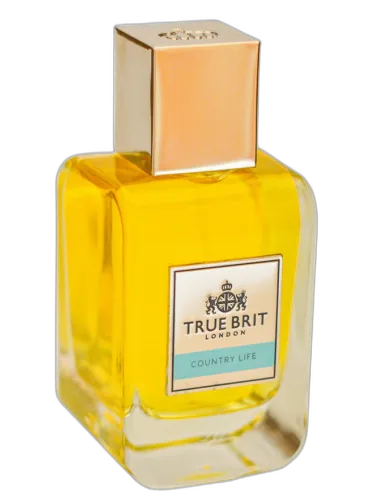
True Brit London
Country Life True Brit London
Shared heart notes: jasmine, orange blossom, tuberose
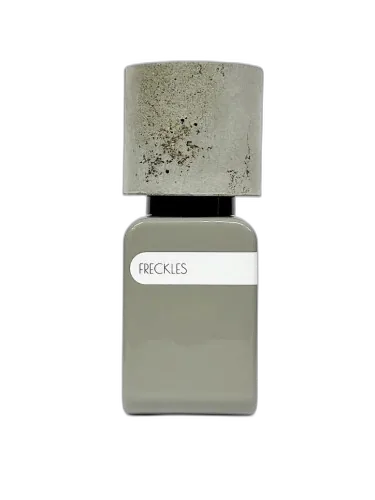
Veta Perfume
Freckles Veta Perfume
Shared heart notes: jasmine, tuberose
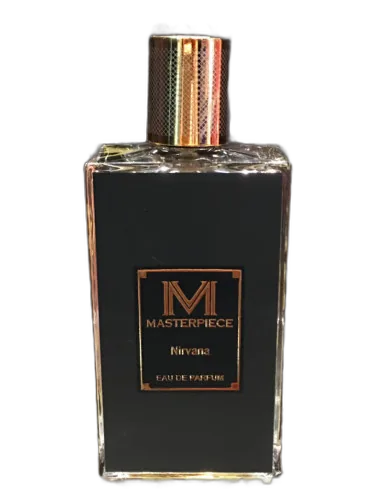
Masterpiece
Nirvana Masterpiece
Shared heart notes: jasmine, orange blossom, tuberose
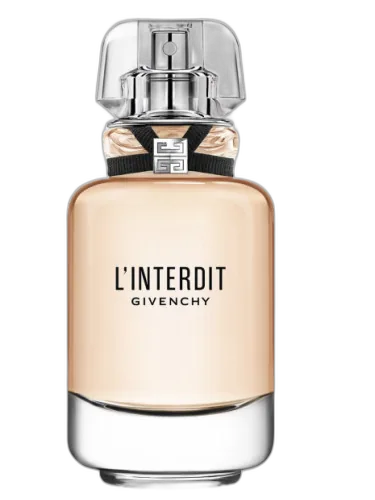
Givenchy
L'interdit Eau De Toilette (2022) Givenchy
Shared top notes: bitter orange