
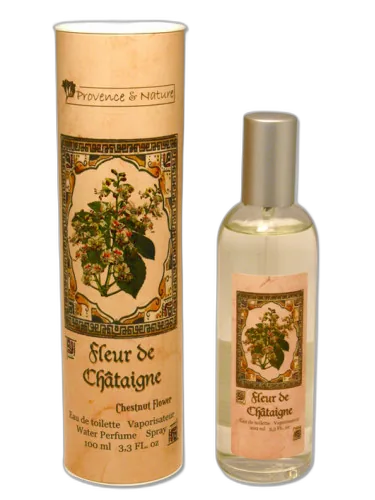

Fleur De Châtaigne Provence & Nature
At a glance
Is Fleur De Châtaigne Provence & Nature worth trying?
Fleur de Châtaigne by Provence & Nature is a Floral fragrance for women and men.
- Best match
- Casual wear in Fall
- Performance feel
- Moderate longevity with Moderate sillage
- Signature profile
- floral, nutty, balsamic with Floral Notes, Chestnut
The first impression
Fleur de Châtaigne by Provence & Nature is a Floral fragrance for women and men.
What shapes the scent
The perfumer behind it

Unknown Perfumer
Notes pyramid
All Notes
Complete scent profile
 Floral Notes
 Chestnut
The mood it creates
The Sage Archetype: Portrait of Fleur De Châtaigne Provence & Nature
Essence
This person is most closely aligned with the Sage-a seeker of wisdom, a quiet observer of life’s intricacies, and a lover of subtle beauty. The fragrance they choose, Fleur De Châtaigne Provence & Nature, is not loud or ostentatious; it is warm, earthy, and layered with quiet depth. Like the chestnut tree, which stands firm yet yields delicate blossoms, they embody a paradox of strength and softness. The Sage does not chase trends but seeks meaning, preferring the enduring over the ephemeral.
Relationships
They are not one for crowds or idle chatter. Their friendships are few but profound, built on years of shared silences and unspoken understanding. In love, they are slow to trust but fiercely loyal once they do. They do not seek passion in grand gestures but in the steady warmth of companionship-a hand on the shoulder, a knowing glance, the way two people can sit together without needing to speak.
Yet, their introspective nature can make them seem distant. They withdraw when overwhelmed, retreating into their inner world like a hermit into a forest. Those who do not understand them may mistake their quiet for coldness, their thoughtfulness for indifference.
Shadow
The Sage’s greatest strength-their self-sufficiency-can also be their flaw. They may become too comfortable in solitude, mistaking detachment for wisdom. At times, they intellectualize emotions rather than feel them, burying vulnerability beneath layers of reflection. Their love of the past can tip into nostalgia, making them resistant to change even when it is necessary.
They must learn that wisdom is not only found in stillness but also in engagement-that the chestnut tree, though rooted, must bend in the wind to survive.
Conclusion
They will never be the loudest voice in the room, nor do they wish to be. Their legacy is not in monuments but in the quiet influence they leave-a word of insight at the right moment, a gesture of kindness, the way they make others feel seen. They are the keeper of forgotten lore, the one who remembers the old songs, the steady presence in a world that moves too fast.
And when the wind carries the scent of chestnut blossoms, those who know them will think of their quiet strength, their enduring grace, and the way they taught others to find beauty in the unseen.
If you like this, try these
Fragrances with a comparable profile - shared accords, notes, and character.

Avon
Encanto Elegância Castanha Avon
Shared top notes: chestnut, floral notes
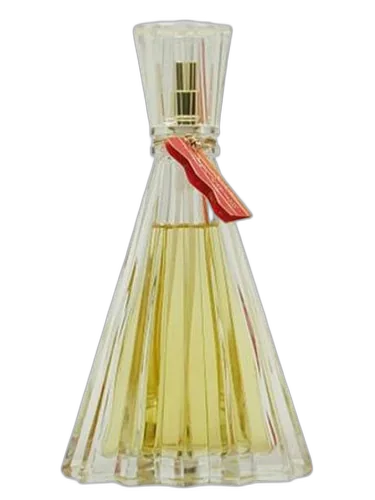
D’ORSAY
Intoxication D'amour D’orsay
Shared top notes: floral notes

Ajmal
Zeyna Ajmal
Shared top notes: floral notes
Impulse
Zen Impulse
Shared top notes: floral notes
Maison Francis Kurkdjian
Trianon Palace Versailles Maison Francis Kurkdjian
Shared top notes: floral notes