


Gypsy Providence Perfume Co.
At a glance
Is Gypsy Providence Perfume Co. worth trying?
Gypsy by Providence Perfume Co.
- Best match
- Casual wear in Spring
- Performance feel
- Moderate longevity with Moderate sillage
- Signature profile
- aromatic, amber, woody with Galanga, Cardamom, Lavender
The first impression
Gypsy by Providence Perfume Co. is a Aromatic Fougere fragrance for women and men. Gypsy was launched in 2010. The nose behind this fragrance is Charna Ethier. Top notes are Galanga, Cardamom, Lavender and Blood Orange; middle notes are Lotus, Rose and Violet Leaf; base notes are French labdanum, Tonka Bean, Amber, Vetiver and Sandalwood.
What shapes the scent
The perfumer behind it

Charna Ethier
Charna Ethier is a perfumer and founder of Providence Perfume Co., where she has created numerous fragrances. Her portfolio includes Basil & Bartlett, Bay Rum Cologne, Branch & Vine, Cocoa Tuberose, Divine Noir, Divine, Drunk On The Moon, and Eva Luna. She is known for using natural ingredients to craft complex, artisanal scents.
Notes pyramid
Top Notes
First impression · 15-30 min
 Galanga
 Cardamom
 Lavender
 Blood Orange
Heart Notes
Core character · 2-4 hours
 Lotus
Lotus
 Rose
Rose
 Violet Leaf
Base Notes
Lasting impression · 4+ hours
 French labdanum
 Tonka Bean
 Amber
Amber
 Vetiver
 Sandalwood
The mood it creates
The Wanderer Archetype: Portrait of Gypsy Providence Perfume Co.
Essence
The person who gravitates toward Gypsy Providence Perfume Co. is, at their core, a Seeker-an archetype that embodies the restless, insatiable hunger for experience, meaning, and transcendence. Like Hermes, the traveler between worlds, they are drawn to the liminal, the mystical, and the uncharted. Their scent is not merely a fragrance but an invocation-a blend of wild herbs, smoldering resins, and something indefinable, like the memory of a place they’ve never been.
The Seeker does not settle. They are not content with the well-trodden path, nor do they find comfort in rigid structures. They are the one who questions, who wanders, who resists the gravity of convention. Yet, this very resistance is both their brilliance and their burden.
Style & Aesthetic
Their style is an extension of their essence-eclectic, layered, deliberately unpolished. They favor textures that tell stories: a well-worn leather jacket, a scarf dyed with natural pigments, silver rings that tarnish with time. Their clothing is not fashion, but armor and artifact, each piece a relic of some past adventure.
They are drawn to the handmade, the imperfect, the things that bear the marks of their making. A mass-produced luxury fragrance would feel sterile to them; Gypsy Providence appeals because it smells like something unearthed-an incense from an old apothecary, a spice traded in some distant market.
Philosophy & Values
Their life is a mosaic of contradictions-both grounded and ephemeral, disciplined yet spontaneous. They may live in a city but carry the soul of a nomad, or they may have chosen literal travel, moving between places with the ease of someone who believes home is not a fixed point but a feeling.
Their philosophy is one of radical openness-they distrust dogma, preferring instead the wisdom of intuition and the lessons of the road. They read voraciously, but not systematically; their bookshelf is a patchwork of esoteric philosophy, forgotten myths, and dog-eared poetry. They are drawn to the mystical not out of naivety, but because they sense that truth often lingers in the margins, in the whispers between words.
Relationships
They love deeply but fleetingly, not out of coldness, but because their nature resists confinement. Their relationships thrive on mutual freedom-they cannot be owned, nor do they wish to own others. Their partners are often fellow wanderers, or else grounded souls who understand that love does not require permanence to be real.
Yet, this very independence casts a shadow. Their fear of stagnation can manifest as an inability to commit, a habit of leaving before they can be left. They may romanticize solitude to the point of isolation, mistaking detachment for wisdom.
Shadow
Every Seeker risks becoming the Exile-the one who wanders not out of curiosity, but because they no longer know how to stay. Their strength-their refusal to be confined-can curdle into rootlessness, a chronic dissatisfaction that no journey can cure.
At their worst, they may grow cynical, dismissing depth as delusion and mistaking their restlessness for enlightenment. They may hoard experiences like treasures, yet find that none of them satisfy. The scent they wear, once an invocation of mystery, becomes a shield against the mundane-a way to distance themselves from the ordinary world they secretly fear they cannot truly belong to.
Conclusion
The Seeker’s challenge is not to stop wandering, but to recognize that the journey and the destination are the same. They must learn that wisdom is not only found in the faraway, but in the willingness to be present.
When they achieve this balance, they become the guide-the one who has wandered far enough to know that the real pilgrimage is inward. Their scent, then, is no longer an escape, but a reminder: that every step, no matter how small, is part of the great unraveling.
If you like this, try these
Fragrances with a comparable profile - shared accords, notes, and character.

Avon
Musk Titanium Avon
Shared top notes: cardamom, lavender

Christopher Chronis
Christos Man Christopher Chronis
Shared top notes: cardamom

Kajal
Faris Kajal
Shared top notes: lavender

The Different Company
Oriental Lounge The Different Company
Shared heart notes: rose
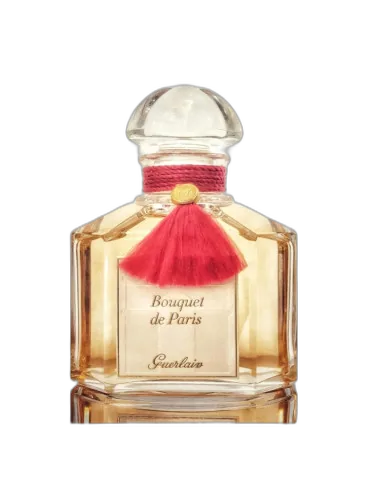
Guerlain
Bouquet De Paris Guerlain
Shared top notes: cardamom