


Irisqué Providence Perfume Co.
Fragrance Story
Irisqué by Providence Perfume Co. is a fragrance for women and men. Irisqué was launched in 2021. The nose behind this fragrance is Charna Ethier.
Composition Profile
About the Perfumer

Charna Ethier
Charna Ethier is a perfumer and founder of Providence Perfume Co., where she has created numerous fragrances. Her portfolio includes Basil & Bartlett, Bay Rum Cologne, Branch & Vine, Cocoa Tuberose, Divine Noir, Divine, Drunk On The Moon, and Eva Luna. She is known for using natural ingredients to craft complex, artisanal scents.
Fragrance Notes
All Notes
Complete scent profile
 Orris Root
.jpg) Ambrette (Musk Mallow)
Ambrette (Musk Mallow)
.jpg) Agarwood (Oud)
Agarwood (Oud)
 Carrot Seeds
Irisqué Providence Perfume Co. by Providence Perfume Co. offers a distinctive olfactory experience that stands out from other fragrances in its category.
Crafted with the finest ingredients and a blend of traditional and modern perfumery techniques, this fragrance represents the pinnacle of the perfumer's art.
Irisqué Providence Perfume Co. embodies the distinctive style of Providence Perfume Co. while adding a unique chapter to their fragrance portfolio.
Character Profile
The Sage Archetype: Portrait of Irisqué Providence Perfume Co.
Essence
The one who favors Irisqué by Providence Perfume Co. is a seeker of hidden truths, a quiet observer who moves through the world with an air of knowing restraint. Their archetype is the Sage-the thinker, the philosopher, the one who values wisdom above all else. Iris, the root of the fragrance, is a symbol of depth and introspection, a flower that blooms in quiet, shadowed places. Like the iris, this person thrives in contemplation, peeling back layers of meaning where others see only surfaces.
Yet the Sage is not merely a passive observer. They are drawn to the interplay of light and shadow, the tension between the ethereal and the earthy. Irisqué-with its powdery softness, its green bitterness, its faint whisper of leather-mirrors this duality. It is a fragrance for those who understand that wisdom is not found in absolutes, but in the spaces between.
Shadow
Yet wisdom, when unchecked, can become a prison. Their detachment, so often a virtue, can harden into aloofness. They may withdraw too far into their own mind, mistaking solitude for superiority. At times, they grow impatient with those who do not share their depth, dismissing simpler joys as frivolous.
There is also the danger of overanalysis-the paralysis of seeing too many angles, too many possibilities. They may hesitate where action is needed, lost in the labyrinth of their own thoughts. And beneath their calm exterior, a quiet pride lingers: the belief that their way of seeing is inherently truer than others’.
Conclusion
Their tastes are refined but never ostentatious. They prefer the understated elegance of raw linen, unpolished wood, and muted colors-materials that age with dignity. Their home is a sanctuary of books, well-worn but meticulously arranged, with a single iris in a slender vase by the window. They do not chase trends; they cultivate timelessness.
Philosophy is not an abstract exercise for them, but a way of living. They believe in the slow accumulation of insight, in the value of silence over noise. They are drawn to Stoicism, Zen Buddhism, or perhaps the writings of Jung himself-systems that prize inner clarity over external validation. Their values are rooted in intellectual honesty, in the refusal to accept easy answers.
In relationships, they are selective but deeply loyal. They do not suffer fools, yet they are patient with those who genuinely seek understanding. Their love is quiet but enduring, expressed more in listening than in grand gestures. They are the confidant, the one who offers not solutions but perspective.
Similar Fragrances
Fragrances with a comparable profile - shared accords, notes, and character.

DSH Perfumes
White Rabbits Dsh Perfumes
Shared accords: earthy, floral, iris
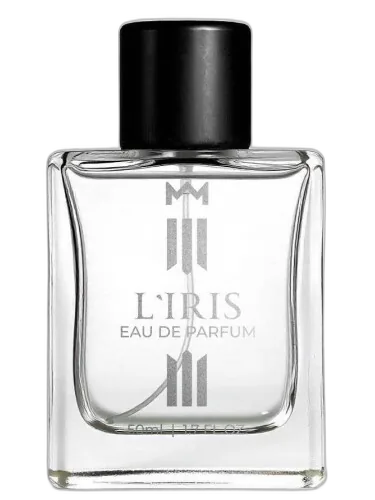
Moset
L'iris Moset
Shared accords: earthy, floral, iris

Zara
White Soho Zara
Shared accords: earthy, floral, iris
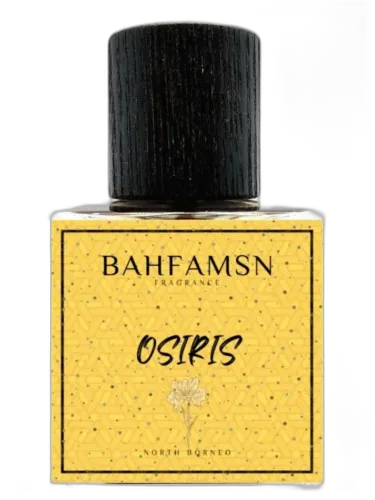
Bahfamsn Fragrance
Osiris Bahfamsn Fragrance
Shared accords: earthy, iris, musky

Odoratika
Irisium Odoratika
Shared accords: earthy, floral, iris