
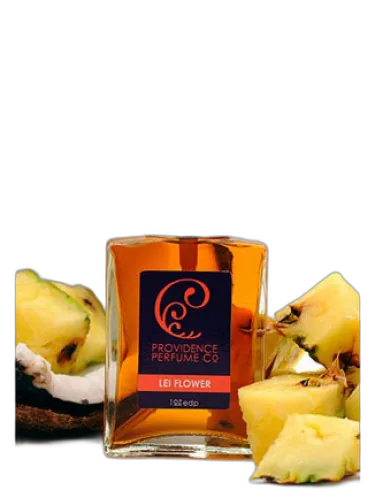

Lei Flower Providence Perfume Co.
At a glance
Is Lei Flower Providence Perfume Co. worth trying?
Lei Flower by Providence Perfume Co.
- Best match
- Casual wear in Spring, Summer
- Performance feel
- Moderate longevity with Moderate sillage
- Signature profile
- sweet, tropical, fruity with Tropical Fruit, Caramel, Orange
The first impression
Lei Flower by Providence Perfume Co. is a Floral Fruity fragrance for women. Lei Flower was launched in 2010. The nose behind this fragrance is Charna Ethier. Top notes are Tropical Fruit, Caramel, Orange, Chamomile, Yuzu and Tarragon; middle notes are Almond, Jasmine, Sugar, Frangipani and Ylang-Ylang; base notes are Vanille, Patchouli, Cacao, Coconut and Cassis.
What shapes the scent
The perfumer behind it

Charna Ethier
Charna Ethier is a perfumer and founder of Providence Perfume Co., where she has created numerous fragrances. Her portfolio includes Basil & Bartlett, Bay Rum Cologne, Branch & Vine, Cocoa Tuberose, Divine Noir, Divine, Drunk On The Moon, and Eva Luna. She is known for using natural ingredients to craft complex, artisanal scents.
Notes pyramid
Top Notes
First impression · 15-30 min
 Tropical Fruit
 Caramel
 Orange
 Chamomile
 Yuzu
Yuzu
 Tarragon
Heart Notes
Core character · 2-4 hours
 Almond
 Jasmine
 Sugar
Sugar
 Frangipani
 Ylang-Ylang
Base Notes
Lasting impression · 4+ hours
Vanille
 Patchouli
Cacao
Patchouli
Cacao
 Coconut
Cassis
Coconut
Cassis
The mood it creates
The Lover Archetype: Portrait of Lei Flower Providence Perfume Co.
Essence
To wear Lei Flower by Providence Perfume Co. is to embrace the ephemeral-a fragrance that captures the fleeting beauty of Hawaiian blossoms, the warmth of tropical sun, and the quiet intoxication of nature’s allure. The person who cherishes this scent is not merely drawn to its floral sweetness but to the way it evokes a world of sensory richness, a life lived through the body as much as the mind.
The dominant archetype here is The Lover, or more precisely, The Sensualist-a figure who finds meaning in pleasure, beauty, and connection. This is not mere hedonism, but a philosophy of immersion, where every experience is to be savored, every moment an opportunity for aesthetic and emotional depth. The Sensualist thrives on intimacy, not just with people but with the world itself-the texture of fabric, the play of light, the taste of ripe fruit.
Yet, like all archetypes, this one casts a shadow. Where there is deep appreciation, there can also be excess; where there is passion, there can be indulgence. The Sensualist risks becoming lost in their own desires, mistaking intensity for meaning, or confusing pleasure for fulfillment.
Style & Aesthetic
Their world is one of deliberate beauty. They surround themselves with objects that engage the senses-soft textiles, handcrafted ceramics, the scent of fresh flowers in every room. Their home is not merely a place to live but a sanctuary of tactile and visual pleasure. They may favor natural materials, organic shapes, and warm, muted colors that invite touch rather than stark minimalism.
In dress, they prefer flowing fabrics, garments that move with the body rather than constrain it. Their style is effortless yet intentional-linen that wrinkles elegantly, silk that whispers against the skin, jewelry with an organic, imperfect quality. They are drawn to craftsmanship, to things made with care, not mass-produced.
They thrive in environments that engage their senses-perhaps as a perfumer, a chef, a florist, or an artist. Even if their profession is more conventional, they will find ways to infuse their days with sensuality-a carefully brewed cup of tea, the ritual of lighting a candle at dusk, the habit of walking barefoot on grass.
Yet their pursuit of pleasure can sometimes undermine discipline. They may procrastinate, indulging in leisure when work demands focus. They must learn that even the most beautiful life requires structure, that not every moment can be bathed in golden light.
Philosophy & Values
To the Sensualist, life is not a problem to be solved but an experience to be lived. They reject asceticism, seeing no virtue in denying the body’s needs. Their philosophy leans toward Epicureanism-not in the vulgar sense of indulgence, but in the refined pursuit of pleasure as a path to wisdom. They believe that beauty is not frivolous but essential, that joy is a form of intelligence.
Yet this worldview has its limits. They may struggle with transience, mourning the passing of moments too deeply. Their love of the ephemeral can make them restless, always chasing the next sensation, the next thrill, never fully satisfied.
Relationships
In love, they are magnetic, attentive, and deeply present. They know how to make a lover feel seen, cherished, enveloped in warmth. Their touch is deliberate, their gaze lingering. They do not rush intimacy but savor it, drawing out each moment.
But their shadow emerges here too. They may grow bored when the initial intensity fades, mistaking familiarity for stagnation. They crave novelty, not out of malice but from an insatiable hunger for new emotional textures. Some may accuse them of being fickle, though they would argue they are merely honest about their needs.
Shadow
The Sensualist’s greatest weakness is their reluctance to face discomfort. When life becomes harsh, they may retreat into sensory pleasures-too much wine, too many distractions-rather than confront what must be endured. Their love of beauty can become an avoidance of reality.
But in their best moments, they remind us that life is not merely to be survived but to be felt, deeply and without apology. They teach us that pleasure is not trivial but sacred, that to touch, to taste, to breathe in the world fully is its own kind of wisdom.
If you like this, try these
Fragrances with a comparable profile - shared accords, notes, and character.
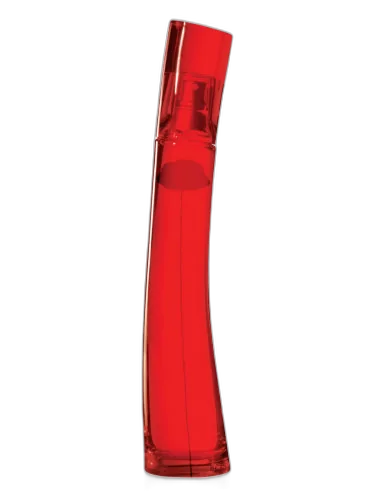
Kenzo
Flower By Kenzo Red Edition Kenzo
Shared top notes: orange
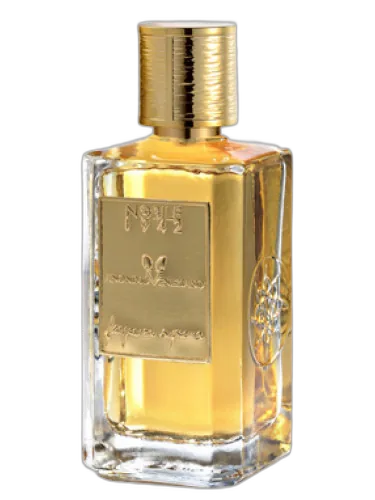
Nobile 1942
Anonimo Veneziano Nobile 1942
Shared top notes: orange
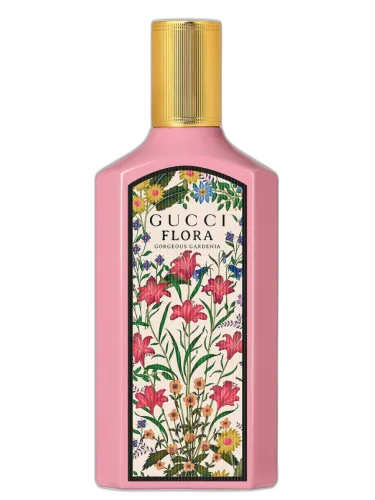
Gucci
Flora Gorgeous Gardenia Gucci
Shared heart notes: frangipani, jasmine
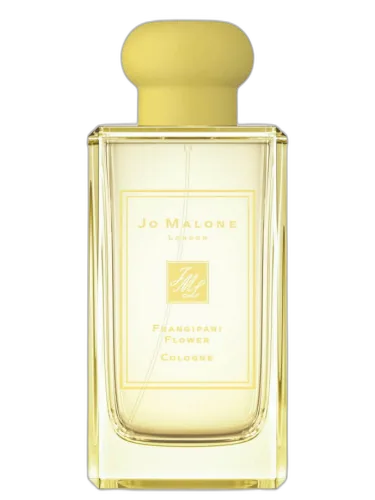
Jo Malone London
Frangipani Flower Cologne Jo Malone London
Shared heart notes: frangipani, jasmine, ylang-ylang
Salvatore Ferragamo
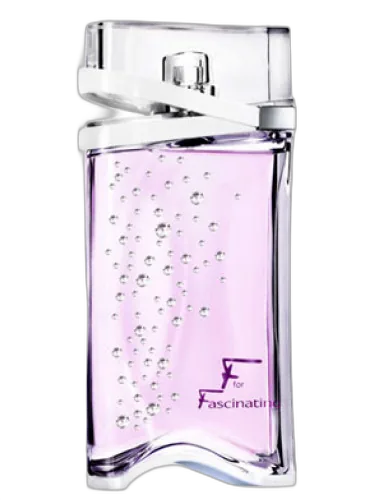
F For Fascinating Crystal Edition Salvatore Ferragamo
Shared top notes: orange