
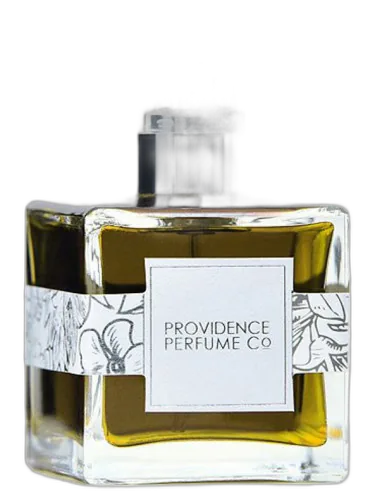

Osmanthus Oolong Providence Perfume Co.
At a glance
Is Osmanthus Oolong Providence Perfume Co. worth trying?
Osmanthus Oolong by Providence Perfume Co.
- Best match
- Evening wear in Fall
- Performance feel
- Moderate longevity with Moderate sillage
- Signature profile
- smoky, fruity, floral with Peach, Yuzu, Bergamot
The first impression
Osmanthus Oolong by Providence Perfume Co. is a Aromatic Fruity fragrance for women. Osmanthus Oolong was launched in 2009. The nose behind this fragrance is Charna Ethier. Top notes are Peach, Yuzu and Bergamot; middle notes are Rooibos Tea, Osmanthus, Aglaia and Jasmine; base notes are Leather, Tea, Apricot and Beeswax.
What shapes the scent
The perfumer behind it

Charna Ethier
Charna Ethier is a perfumer and founder of Providence Perfume Co., where she has created numerous fragrances. Her portfolio includes Basil & Bartlett, Bay Rum Cologne, Branch & Vine, Cocoa Tuberose, Divine Noir, Divine, Drunk On The Moon, and Eva Luna. She is known for using natural ingredients to craft complex, artisanal scents.
Notes pyramid
Top Notes
First impression · 15-30 min
 Peach
Peach
 Yuzu
Yuzu
 Bergamot
Heart Notes
Core character · 2-4 hours
 Rooibos Tea
 Osmanthus
 Aglaia
 Jasmine
Base Notes
Lasting impression · 4+ hours
 Leather
 Tea
Tea
 Apricot
 Beeswax
The mood it creates
The Sage Archetype: Portrait of Osmanthus Oolong Providence Perfume Co.
Essence
To encounter someone who cherishes Osmanthus Oolong by Providence Perfume Co. is to meet a mind that thrives in the liminal space between contemplation and sensuality. This fragrance-delicate yet profound, floral yet earthy-mirrors their essence: a soul drawn to the quiet wisdom of nature and the refined elegance of thought. They embody the Sage archetype, the seeker of truth through introspection and subtlety. Their life is a tapestry woven with curiosity, restraint, and an almost poetic appreciation for the ephemeral.
Style & Aesthetic
Their tastes are neither ostentatious nor austere, but rather a careful curation of what resonates with depth. They prefer muted tones-soft ochres, mossy greens, the faint blush of tea-stained paper-colors that whisper rather than shout. Their home is a sanctuary of minimalism, where every object holds meaning: a well-worn book of Zen poetry, a hand-thrown ceramic cup, a single sprig of osmanthus in a slender vase.
They savor the ritual of tea, not as mere habit but as meditation. The bitterness of oolong, the sweetness of osmanthus-these contrasts mirror their own duality. In music, they gravitate toward compositions that breathe-Debussy’s Clair de Lune, the restrained melancholy of Erik Satie, or the ambient hum of nature itself.
They move through the world with an economy of motion, avoiding excess in all things. Their routine is neither rigid nor chaotic but a fluid balance-morning tea, a walk through the garden or city streets (they find beauty in both), evenings spent reading or in quiet conversation. They may practice yoga or qigong, not as performance but as a way to inhabit their body with awareness.
Professionally, they excel in roles that reward patience and insight-writers, therapists, archivists, horticulturists. They are not driven by ambition but by the quiet satisfaction of mastery. Yet this can also be their undoing: their reluctance to assert themselves may lead to missed opportunities, their love of contemplation may border on passivity.
Philosophy & Values
For them, wisdom is not found in dogma but in the spaces between words. They distrust grand narratives, preferring the slow accretion of insight. Stoic in demeanor but not unfeeling, they value clarity over certainty, nuance over absolutes. Their philosophy is one of harmony without surrender-they do not seek to dominate life but to understand its rhythms.
They are drawn to Eastern philosophies-Taoism’s effortless flow, Zen’s embrace of paradox-yet they resist spiritual pretension. Their spirituality is private, almost secular in its subtlety. They believe in the sacredness of small moments: the steam rising from a cup, the weight of silence between two people who understand each other.
Relationships
They are not the life of the party, nor do they wish to be. Their friendships are few but enduring, built on mutual respect for solitude. They listen more than they speak, and when they do speak, their words are deliberate. Romantic partners must appreciate their need for quietude; they are not ones for grand gestures but for the eloquence of shared silence.
Yet this very restraint can become a barrier. Their reluctance to impose can be mistaken for detachment, their introspection for aloofness. They may struggle with vulnerability, preferring the safety of observation over the risk of emotional exposure.
Shadow
The Sage’s greatest strength-their depth of thought-can also become their prison. In their quest for understanding, they may over-intellectualize emotion, retreating into analysis rather than experience. Their love of solitude may harden into isolation, their appreciation of subtlety into a disdain for the raw and unrefined.
At their worst, they may grow disdainful of those who live loudly, mistaking their own restraint for superiority. They must guard against the arrogance of the enlightened-the belief that their way of seeing is the only valid one.
Conclusion
Yet when in harmony, they are a beacon of quiet wisdom. They do not seek to convert or convince but to illuminate by example. Their presence is a reminder that depth need not be loud, that meaning is often found in the spaces between.
To love Osmanthus Oolong is to embrace the beauty of transience-the way tea leaves unfurl and fade, the way fragrance lingers only as long as it must. And so they live: not in fear of the ephemeral, but in reverence for it.
If you like this, try these
Fragrances with a comparable profile - shared accords, notes, and character.
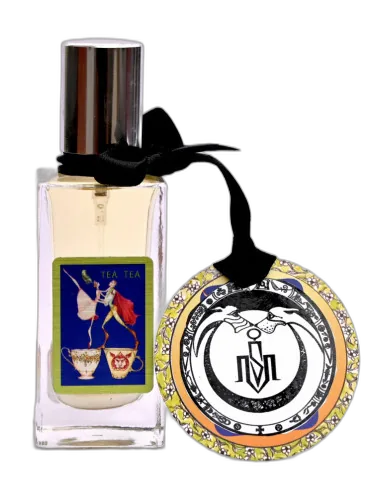
Scents of Man
Tea-tea Scents Of Man
Shared top notes: bergamot, peach, yuzu
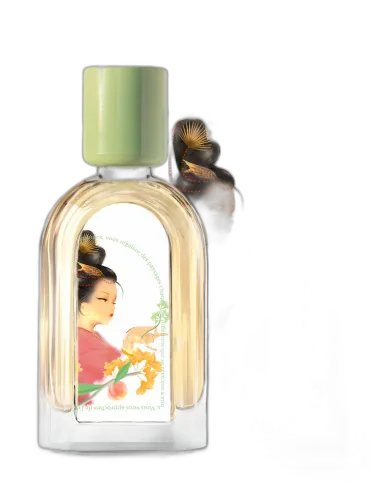
Le Jardin Retrouve
Osmanthe Liu Yuan Le Jardin Retrouve
Shared heart notes: jasmine, osmanthus

Hermès
Hermessence Osmanthe Yunnan Hermès
Shared heart notes: osmanthus
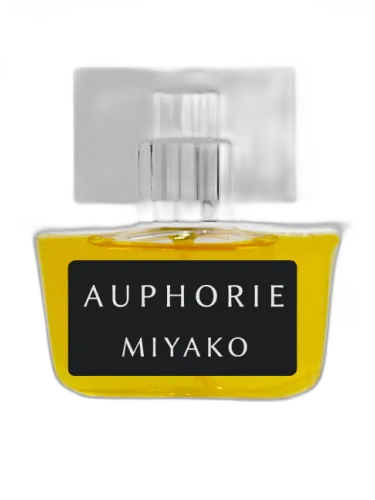
Auphorie
Miyako Auphorie
Shared top notes: peach, yuzu
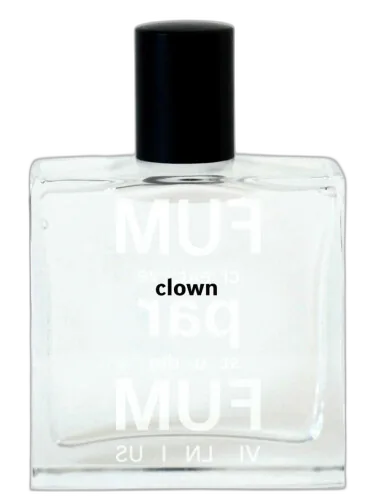
FUMparFUM
Clown Fumparfum
Shared top notes: bergamot, yuzu