
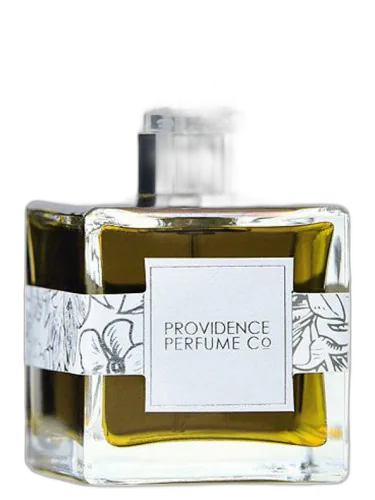

Rose Boheme Providence Perfume Co.
At a glance
Is Rose Boheme Providence Perfume Co. worth trying?
Rose Boheme by Providence Perfume Co.
- Best match
- Evening wear in Fall, Winter
- Performance feel
- Very Good longevity with Strong sillage
- Signature profile
- rose, patchouli, woody with Rose, Patchouli, Tea
The first impression
Rose Boheme by Providence Perfume Co. is a Floral Woody Musk fragrance for women and men. Rose Boheme was launched in 2011. The nose behind this fragrance is Charna Ethier.
What shapes the scent
The perfumer behind it

Charna Ethier
Charna Ethier is a perfumer and founder of Providence Perfume Co., where she has created numerous fragrances. Her portfolio includes Basil & Bartlett, Bay Rum Cologne, Branch & Vine, Cocoa Tuberose, Divine Noir, Divine, Drunk On The Moon, and Eva Luna. She is known for using natural ingredients to craft complex, artisanal scents.
Notes pyramid
All Notes
Complete scent profile
 Rose
Rose
 Patchouli
 Tea
Tea
 Red Tea
 Fir
Fir
 Agarwood (Oud)
 Saffron
The mood it creates
The Lover Archetype: Portrait of Rose Boheme Providence Perfume Co.
Essence
Rose Bohème by Providence Perfume Co. is a scent that evokes wildness and refinement in equal measure-a paradox of untamed petals and polished elegance. The wearer of this fragrance is most closely aligned with the Lover archetype, a figure defined by passion, sensuality, and a deep yearning for beauty in all forms. The Lover does not merely experience life; they consume it, seeking intensity in emotion, aesthetics, and human connection.
Yet, like the rose itself-soft yet thorned-this archetype carries contradictions. Their devotion to beauty can slip into indulgence; their idealism can become naivety. They are both the poet and the hedonist, the romantic and the escapist.
Style & Aesthetic
Their tastes are deliberate, almost ritualistic. They do not merely choose a scent; they curate an experience. Rose Bohème, with its lush rose absolute, earthy patchouli, and whisper of spice, mirrors their own essence-warm, intoxicating, slightly untamed. Their wardrobe leans toward flowing fabrics, rich textures, and colors that evoke twilight: deep burgundies, dusky violets, golds that catch the fading sun.
They surround themselves with objects that tell stories-antique books with cracked spines, hand-thrown ceramics, dried flowers pressed between pages. Their home is less a living space than a sanctuary, a place where every candle, every teacup, is an act of devotion to the art of living.
Philosophy & Values
They believe in the sacredness of pleasure. Not in the crude sense of mere gratification, but in the elevation of the senses as a path to meaning. A perfectly ripe peach, the sound of rain on old stone, the weight of a lover’s hand in theirs-these are not trivialities, but the essence of existence.
Their philosophy is rooted in carpe diem, though they would never phrase it so tritely. For them, life is too fleeting to be spent in drudgery. They reject the notion that austerity equals wisdom, seeing instead a kind of cowardice in denying oneself joy. Yet, this very idealism can blind them-when reality fails to match their vision, they may retreat into fantasy or self-delusion.
Relationships
They love deeply, but not always wisely. Their relationships are intense, poetic, sometimes tumultuous. They are drawn to kindred spirits-artists, dreamers, those who see the world through a similarly enchanted lens. But they struggle with the mundane realities of partnership: compromise, routine, the slow erosion of novelty.
Their charm is undeniable. They know how to make a person feel seen, as if they are the only soul in the room. But this same magnetism can become a trap-they may love the idea of love more than the imperfect human before them. When disillusionment sets in, they may withdraw, seeking solace in solitude or another fleeting romance.
Shadow
The Lover’s greatest strength-their capacity for deep feeling-is also their greatest peril. Their pursuit of beauty can tip into decadence; their romanticism can curdle into melodrama. They may indulge too freely in wine, in luxury, in the affections of others, mistaking intensity for substance.
Worse still, they may grow resentful of a world that refuses to conform to their ideals. When life proves messy, indifferent, or cruel, they may lapse into melancholy or escapism, retreating into books, fantasies, or nostalgia for a past that never truly existed as they remember it.
Conclusion
The wise Lover learns to temper their ardor with wisdom. They come to understand that true beauty lies not just in the sublime, but in the flawed, the fleeting, the ordinary made extraordinary by attention. They begin to see that love is not only grand gestures, but also the quiet constancy of showing up.
When balanced, they are neither ascetic nor glutton; they savor without clinging. They learn that the thorns are part of the rose-that depth requires both light and shadow. And in this acceptance, they find not disillusionment, but a richer, more enduring kind of enchantment.
If you like this, try these
Fragrances with a comparable profile - shared accords, notes, and character.
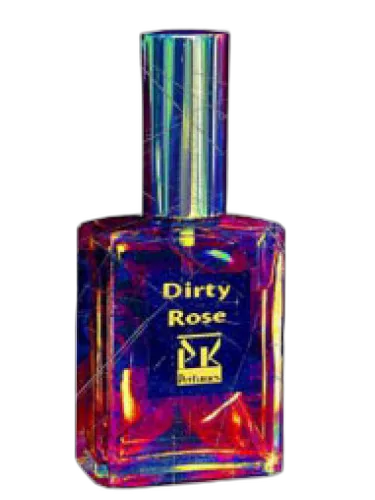
PK Perfumes
Dirty Rose Pk Perfumes
Shared top notes: agarwood (oud), patchouli, rose
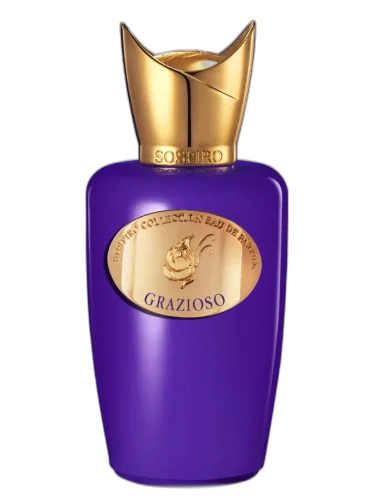
Sospiro Perfumes
Grazioso Sospiro Perfumes
Shared top notes: rose, saffron
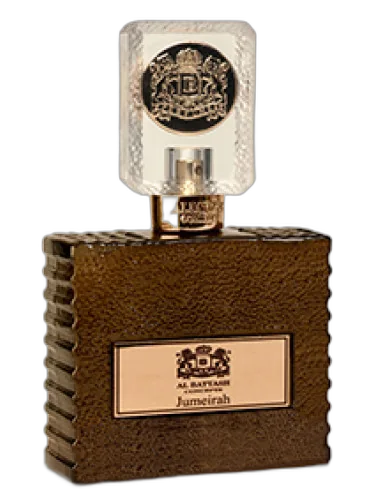
Al Battash Concepts
Jumeirah Al Battash Concepts
Shared top notes: agarwood (oud), patchouli, rose

Montale
Aoud Queen Roses Montale
Shared top notes: agarwood (oud), patchouli, rose
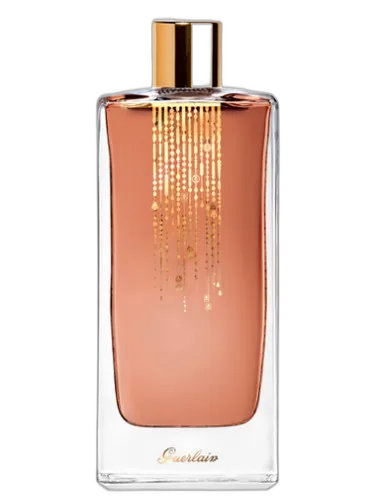
Guerlain
Rose Nacree Du Desert Guerlain
Shared top notes: agarwood (oud), patchouli, rose