
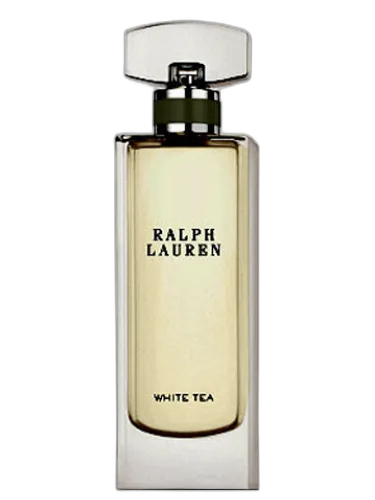

Legacy Of English Elegance - White Tea Ralph Lauren
Fragrance Story
Legacy of English Elegance - White Tea by Ralph Lauren is a Aromatic fragrance for women and men. Legacy of English Elegance - White Tea was launched in 2016. The nose behind this fragrance is Carlos Benaïm.
Composition Profile
About the Perfumer

Carlos Benaïm
Carlos Benaïm is a perfumer with a diverse portfolio spanning A Lab on Fire, Alfred Dunhill, and Aramis. He created Liquidnight for A Lab on Fire and Century for Alfred Dunhill. His work also includes Quorum for Antonio Puig and Havana Pour Elle for Aramis.
Fragrance Notes
All Notes
Complete scent profile
 White Tea
 Osmanthus
Legacy Of English Elegance - White Tea Ralph Lauren by Ralph Lauren offers a distinctive olfactory experience that stands out from other fragrances in its category.
Crafted with the finest ingredients and a blend of traditional and modern perfumery techniques, this fragrance represents the pinnacle of the perfumer's art.
Legacy Of English Elegance - White Tea Ralph Lauren embodies the distinctive style of Ralph Lauren while adding a unique chapter to their fragrance portfolio.
Character Profile
The Sage Archetype: Portrait of Legacy Of English Elegance - White Tea Ralph Lauren
Essence
The one who chooses Legacy of English Elegance - White Tea by Ralph Lauren is not merely drawn to a fragrance-they are drawn to an ideal. This scent, with its understated refinement, whispers of quiet intellect, effortless grace, and an appreciation for the timeless. It is not loud, nor does it demand attention; instead, it lingers like a well-worn book left open on a mahogany desk, inviting only those who know how to look closely.
Above all, this person embodies the Sage-the seeker of wisdom, the keeper of knowledge, the one who values clarity and depth over spectacle. The Sage does not chase trends; they discern what endures. They are drawn to the subtle, the refined, the things that reveal themselves slowly, like the unfolding layers of white tea, bergamot, and musk. Their mind is their sanctuary, and their presence is a quiet assertion of self-possession.
Philosophy & Values
They believe in the power of thought, in the slow accumulation of wisdom. Superficiality is their enemy; they disdain small talk, preferring conversations that delve into ideas, art, or the quiet observations of human nature. They are not necessarily aloof, but they are selective-their time is precious, and they give it only to those who can engage them meaningfully.
Their values are rooted in integrity, independence, and the quiet dignity of self-mastery. They do not seek validation; they seek understanding. They are the friend who listens carefully, speaks sparingly, and offers advice only when asked-and even then, only if they believe it will be heeded.
Relationships
They are not the life of the party, nor do they wish to be. Their relationships are few but profound. They attract those who appreciate depth, who do not mistake silence for indifference. Romantic partners must be their intellectual equals-someone who can spar with them in conversation, who respects their need for solitude, and who understands that love, for them, is shown in quiet gestures rather than grand declarations.
Yet, their restraint can be mistaken for coldness. They may struggle with vulnerability, preferring the safety of their own mind to the messiness of raw emotion. Those who do not know them well might see them as distant, even judgmental-though this is rarely their intent.
Shadow
The Sage’s greatest strength is also their greatest weakness: their intellect can become a fortress. When unbalanced, they may retreat too far into their own thoughts, dismissing emotion as irrational or viewing others’ passions as naive. They risk becoming the observer rather than the participant, analyzing life instead of living it.
Their disdain for superficiality can harden into elitism. They may grow impatient with those who do not share their depth, forgetting that wisdom is not the sole measure of a person’s worth. In their pursuit of perfection, they may neglect the beauty of spontaneity, of imperfection, of simply being rather than always thinking.
Conclusion
Their tastes are deliberate, never accidental. They prefer muted colors-soft ivories, warm taupes, the deep greens of a forest at dusk. Their wardrobe is not extravagant but impeccably tailored, each piece chosen for its longevity rather than its novelty. They might favor a well-cut blazer, a linen shirt, or a cashmere scarf draped just so-garments that speak of quiet confidence rather than fleeting fashion.
Books line their shelves, not as decoration but as companions. They read philosophy, classic literature, perhaps even a volume of poetry tucked between hardbound histories. Their home is a reflection of their mind: orderly but not sterile, filled with objects that have meaning-a vintage typewriter, a framed map of an old city, a single orchid in a ceramic pot.
Similar Fragrances
Fragrances with a comparable profile - shared accords, notes, and character.
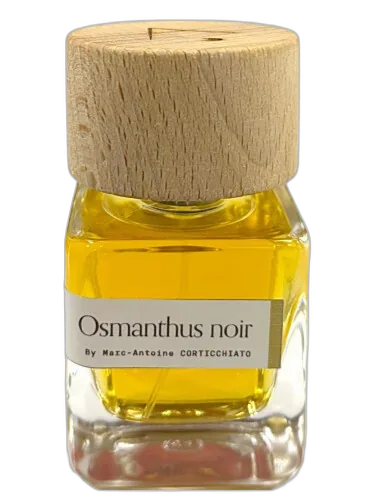
Parfumeurs du Monde
Osmanthus Noir Parfumeurs Du Monde
Shared accords: floral, fresh, fruity
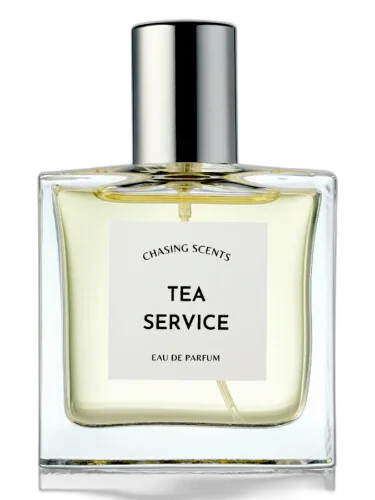
Chasing Scents
Tea Service Chasing Scents
Shared accords: floral, fresh, fruity
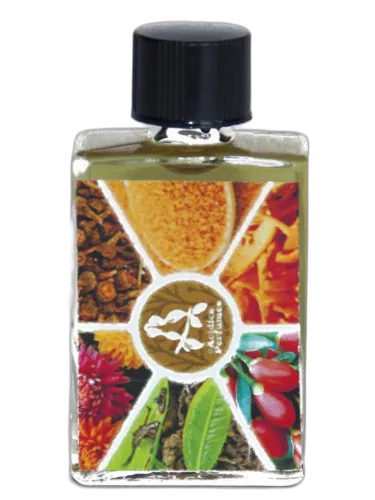
Acidica Perfumes
8 Jewels Tea Acidica Perfumes
Shared accords: floral, fresh, fruity
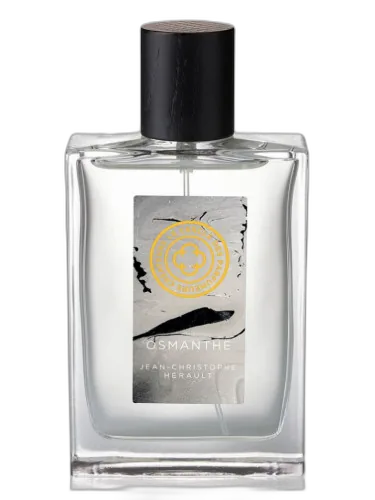
Le Cercle des Parfumeurs Createurs
Osmanthé Le Cercle Des Parfumeurs Createurs
Shared accords: floral, fruity, lactonic

Dame Perfumery
Soliflore Osmanthus Dame Perfumery
Shared accords: floral, fruity, lactonic