


Tuxedo Ralph Lauren
Fragrance Story
Tuxedo by Ralph Lauren is a Chypre Floral fragrance for women. Tuxedo was launched in 1979. The nose behind this fragrance is Carlos Benaïm. Top notes are Ylang-Ylang, Tarragon, Bergamot and Amalfi Lemon; middle notes are Peach, Jasmine, Narcissus, Lily-of-the-Valley, Clove, Coriander, Rose and Gardenia; base notes are French labdanum, oak moss, Benzoin, Sandalwood, Amber, Vetiver and Musk.
Composition Profile
About the Perfumer

Carlos Benaïm
Carlos Benaïm is a perfumer with a diverse portfolio spanning A Lab on Fire, Alfred Dunhill, and Aramis. He created Liquidnight for A Lab on Fire and Century for Alfred Dunhill. His work also includes Quorum for Antonio Puig and Havana Pour Elle for Aramis.
Fragrance Notes
Top Notes
First impression · 15-30 min
 Ylang-Ylang
 Tarragon
 Bergamot
 Amalfi Lemon
Heart Notes
Core character · 2-4 hours
 Peach
Peach
 Jasmine
 Narcissus
 Lily-of-the-Valley
 Clove
Clove
 Coriander
 Rose
Rose
 Gardenia
Base Notes
Lasting impression · 4+ hours
French labdanum
oak moss
 Benzoin
 Sandalwood
 Amber
Amber
 Vetiver
 Musk
Musk
Character Profile
The Archetype Archetype: Portrait of Tuxedo Ralph Lauren
Essence
The one who chooses Tuxedo is not merely drawn to its refined blend of black pepper, amber, and vetiver-they are called to it. This fragrance is an olfactory coronation, a declaration of quiet authority. The Sovereign archetype best defines them: they are a ruler not by force, but by presence. They command rooms without raising their voice, their elegance a silent decree. Yet, beneath this polished exterior lies the tension of rulership-the weight of expectation, the isolation of perfection, the fear of being dethroned by time or circumstance.
Style & Aesthetic
Their aesthetic is deliberate, never ostentatious. They favor tailored suits over loud prints, understatement over excess. Their home is a curated space-dark woods, leather-bound books, a single statement piece of art that speaks volumes. They drink whiskey neat, savoring the slow burn, and prefer jazz or classical music-anything with structure, anything that rewards patience.
Yet, there is a rigidity here. They disdain trends, sometimes to the point of missing the vitality of spontaneity. Their tastes are impeccable, but their refusal to deviate can border on dogma.
Their days are structured, their habits deliberate. Mornings begin with precision-black coffee, a crisp newspaper, a moment of silence before the world intrudes. Work is not just a career but a craft; they rise through ranks not by ambition alone, but by an unshakable competence.
But the shadow of routine looms. They may mistake motion for purpose, filling their life with rituals that no longer serve them. The Sovereign risks becoming a prisoner of their own court, mistaking the throne for the self.
Philosophy & Values
They believe in mastery, in the slow cultivation of self. To them, life is not a series of accidents but a composition, each decision a brushstroke in a larger portrait. They value discipline, dignity, and the unspoken contract of mutual respect. Their word is their bond, and they expect the same in return.
But this philosophy has its costs. Their insistence on control can make them inflexible. They may mistake adaptability for weakness, dismissing those who lack their exacting standards. Their shadow is the tyrant-not the cruel dictator, but the ruler who forgets that even kings must sometimes kneel.
Relationships
They are not cold, but they are guarded. Their love is deep but measured, expressed in acts rather than effusive words. They attract admirers effortlessly, yet few truly know them. Their closest bonds are with those who respect their autonomy, who understand that intimacy does not always mean vulnerability.
Yet, this emotional reserve can become a fortress. They may mistake solitude for strength, pushing away those who seek to dismantle their walls. Their greatest fear is not betrayal, but dependence-the idea that they might need someone enough to lose their sovereignty.
Conclusion
In their light, they are magnetic, composed, a beacon of quiet power. In their shadow, they are rigid, distant, a ruler who forgets that even crowns must sometimes be set aside.
Tuxedo is more than a scent to them-it is an emblem. It is the fragrance of a person who has mastered the external world but must still confront the inner one. They are not flawless, but they are formidable. And in that tension-between control and surrender, between the throne and the self-they find their truest strength.
Similar Fragrances
Fragrances with a comparable profile - shared accords, notes, and character.
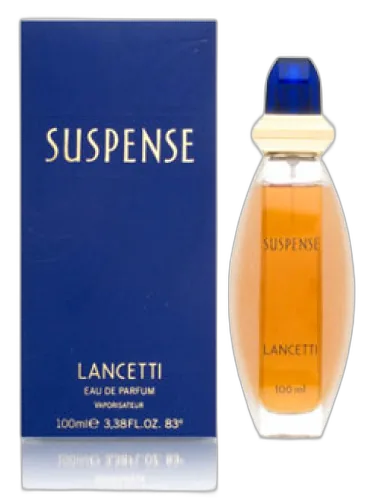
Lancetti
Suspense Lancetti
Shared accords: amber, aromatic, citrus

Norell
Norell Norell
Shared accords: aromatic, citrus, earthy

Natura
Priprioca Parfum Perfume Do Brasil Natura
Shared accords: amber, aromatic, citrus
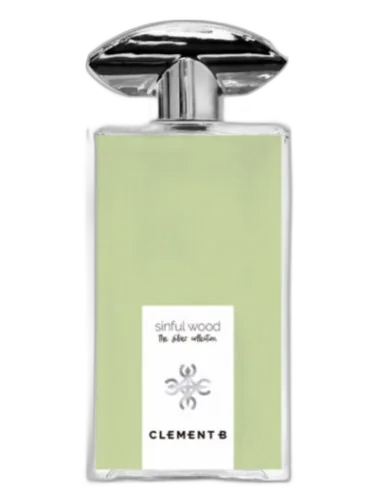
Clement B
Sinful Wood Clement B
Shared accords: amber, aromatic, citrus

Cartier
Must Ii Cartier
Shared accords: aromatic, citrus, earthy