
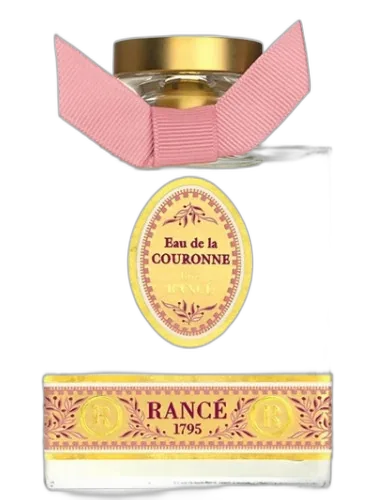

Rue Rance Eau De La Couronne Rance 1795
At a glance
Is Rue Rance Eau De La Couronne Rance 1795 worth trying?
Rue Rance Eau De La Couronne by Rance 1795 is a Oriental Floral fragrance for women.
- Best match
- Evening wear in Fall
- Performance feel
- Very Good longevity with Moderate sillage
- Signature profile
- fruity, floral, white floral with Melon, Black Currant, Blood Orange
The first impression
Rue Rance Eau De La Couronne by Rance 1795 is a Oriental Floral fragrance for women. Rue Rance Eau De La Couronne was launched in 2009. The nose behind this fragrance is Jeanne Sandra Rance. Top notes are Melon, Black Currant, Blood Orange and Violet; middle notes are Freesia, Granny Smith apple, Gardenia and Jasmine; base notes are Mahogany, Iris, Amber and Musk.
What shapes the scent
The perfumer behind it

Jeanne Sandra Rance
Jeanne Sandra Rance is known for her contributions to the Rance 1795 line, where she weaves rich, opulent fragrances. Her creations often feature bold florals, deep woods, and luxurious spices, embodying classic French perfumery. Rance's scents are designed to evoke emotion and grandeur. She maintains a legacy of craftsmanship while infusing modern sensibilities.
Notes pyramid
Top Notes
First impression · 15-30 min
 Melon
Melon
 Black Currant
 Blood Orange
 Violet
Heart Notes
Core character · 2-4 hours
 Freesia
 Granny Smith apple
 Gardenia
 Jasmine
Base Notes
Lasting impression · 4+ hours
 Mahogany
 Iris
Iris
 Amber
Amber
 Musk
Musk
The mood it creates
The Alchemist Archetype: Portrait of Rue Rance Eau De La Couronne Rance 1795
Essence
This person is governed by the Sage, an archetype that seeks wisdom, refinement, and mastery over the self. The Sage does not merely accumulate knowledge but distills it into an art form-much like the alchemical process that transforms base elements into gold. Rue Rance 1795, with its regal blend of citrus, spices, and woody depth, is a fragrance for those who see life as a grand experiment in elegance and intellect.
Style & Aesthetic
They rise early, not out of obligation but out of reverence for the quiet hours when the mind is sharpest. Their routines are rituals-morning tea in a porcelain cup, a walk through autumn leaves with deliberate attention to the scent of damp earth. They are not ascetics, but they believe in the discipline of pleasure, indulging only in what has been earned and savored.
Work, for them, must have meaning beyond utility. They gravitate toward roles that allow for mastery-perhaps as a historian, a perfumer, a philosopher, or a curator. Even if their profession is mundane, they will find ways to infuse it with depth, turning routine into artistry.
Relationships
Romantically, they are drawn to equals-partners who are neither intimidated by their intellect nor content to merely admire it. They crave stimulation, not flattery. Their love is expressed through shared exploration-debates over midnight coffee, travels to forgotten libraries, the quiet pleasure of mutual growth.
Yet their flaw here is their reluctance to surrender control. Vulnerability does not come easily; they prefer the safety of analysis over the chaos of raw emotion. A partner must be patient, willing to coax them out of their fortress of thought and into the messier, more vital realms of feeling.
Shadow
Yet wisdom, when unchecked, can become a prison. Their detachment, so useful in analysis, can calcify into emotional distance. They may mistake understanding for experience, believing that to know a thing is to have truly lived it. This can leave them isolated, admired but not intimately known.
There is also the risk of intellectual arrogance. The Sage’s shadow despises ignorance, sometimes forgetting that wisdom must be tempered with humility. They may dismiss those who do not meet their standards, withdrawing into a self-made ivory tower. The very discernment that elevates them can, in excess, become a form of elitism.
Conclusion
The lover of Rue Rance 1795 is neither a relic of the past nor a passive dreamer. They are an alchemist of the self, refining raw experience into something enduring. Their challenge is to balance wisdom with warmth, to remember that the highest knowledge is useless if it does not deepen their humanity.
In their best moments, they are guides-lighthouses in a world of noise. In their worst, they are prisoners of their own intellect. Yet even this tension is part of their journey, for the Sage knows that true mastery is never complete. It is a perpetual becoming.
If you like this, try these
Fragrances with a comparable profile - shared accords, notes, and character.
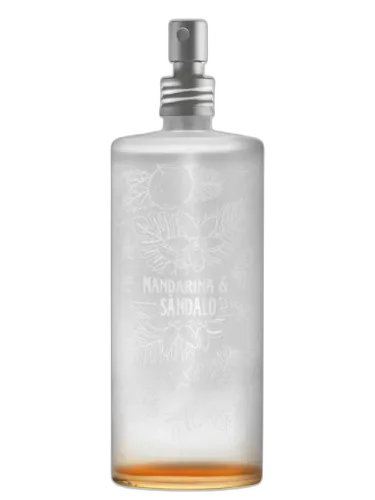
Granado
Mandarina & Sândalo Granado
Shared heart notes: freesia, gardenia, jasmine
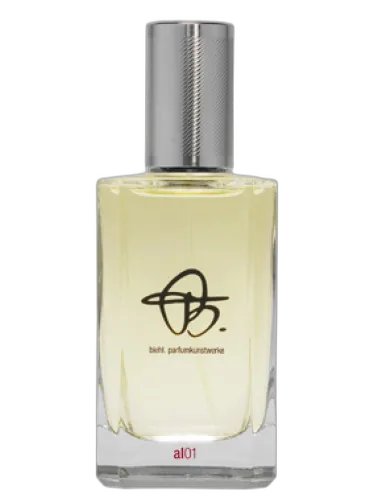
biehl parfumkunstwerke
Al01 Biehl Parfumkunstwerke
Shared top notes: black currant

Burberry
Tender Touch Burberry
Shared top notes: violet

Gianfranco Ferre
Gianfranco Ferre Bergamotto Marino Gianfranco Ferre
Shared top notes: black currant, melon
Roccobarocco
Tre Roccobarocco
Shared top notes: black currant, violet