


Tubereuse Amour Rance 1795
At a glance
Is Tubereuse Amour Rance 1795 worth trying?
Tubereuse Amour by Rance 1795 is a Oriental Floral fragrance for women.
- Best match
- Evening wear in Spring
- Performance feel
- Very Good longevity with Moderate sillage
- Signature profile
- white floral, tuberose, floral with Bergamot, Violet Leaves, Lily-of-the-Valley
The first impression
Tubereuse Amour by Rance 1795 is a Oriental Floral fragrance for women. Tubereuse Amour was launched in 2012. The nose behind this fragrance is Christian Carbonnel. Top notes are Bergamot, Violet Leaves, Lily-of-the-Valley and Neroli; middle notes are Indian Tuberose, Chinese Osmanthus and Turkish Rose; base notes are Sandalwood, Iris, Musk and Patchouli.
What shapes the scent
The perfumer behind it

Christian Carbonnel
Christian Carbonnel is a prolific perfumer whose catalog includes diverse creations for ALYSONOLDOINI, Accendis, and Al Haramain Perfumes. His work ranges from the woody Bourbon Oud to the floral Bucato Royale, as well as the elegant Atifa Blanche and Atifa Noir. Carbonnel's style spans both niche and accessible markets, often blending traditional and modern elements.
Notes pyramid
Top Notes
First impression · 15-30 min
 Bergamot
Violet Leaves
Bergamot
Violet Leaves
 Lily-of-the-Valley
 Neroli
Heart Notes
Core character · 2-4 hours
Indian Tuberose
Chinese Osmanthus
Turkish Rose
Base Notes
Lasting impression · 4+ hours
 Sandalwood
 Iris
Iris
 Musk
Musk
 Patchouli
The mood it creates
The Lover Archetype: Portrait of Tubereuse Amour Rance 1795
Essence
The person who cherishes Tubereuse Amour by Rance 1795 is most closely aligned with the Lover archetype, though not in its simplistic, romanticized form. This is not the naive dreamer of love, but the mature sensualist-one who understands desire as both pleasure and power. The Lover thrives on intensity, beauty, and connection, seeking to merge with life rather than merely observe it. The fragrance itself-opulent, intoxicating, with the narcotic sweetness of tuberose and the warmth of vanilla-mirrors their essence: unapologetically decadent, yet refined.
Shadow
Yet the Lover’s strength is also their weakness. Their pursuit of intensity can tip into hedonism, where pleasure becomes an escape rather than an affirmation. They may grow restless, always seeking a deeper thrill, a more intoxicating experience-never quite satisfied.
Their charm can also be a weapon. They know how to seduce, manipulate, and ensnare, sometimes without meaning to. Their allure is so natural that others may feel enslaved by their presence, resenting the power they hold. And when their passions wane, they can become capricious, abandoning what once enthralled them with little remorse.
Conclusion
Their tastes are unmistakably baroque-rich fabrics, dimly lit rooms, the slow savoring of wine, the deliberate choice of words. They surround themselves with textures and colors that evoke depth: deep reds, velvety blacks, gold that catches the light just so. Their home is not merely a dwelling but a sanctuary of indulgence, where every object has been chosen for its ability to stir the senses.
Philosophically, they reject asceticism as a denial of life’s richness. To them, beauty is not frivolous but sacred, a way of transcending the mundane. They do not shy from luxury, yet their appreciation is not superficial-they understand the artistry behind craftsmanship, the discipline that makes decadence possible.
In relationships, they are magnetic but demanding. They do not love lightly; their affections are deep, possessive, and all-consuming. They expect devotion in return, and if disappointed, they withdraw with a coldness that can be startling. Their friendships are few but fiercely loyal, built on shared passions rather than convenience.
If you like this, try these
Fragrances with a comparable profile - shared accords, notes, and character.

Victorio & Lucchino
Hechizo Victorio & Lucchino
Shared top notes: bergamot, lily-of-the-valley, neroli

Lancôme
La Vie Est Belle En Rose Lancôme
Shared top notes: bergamot
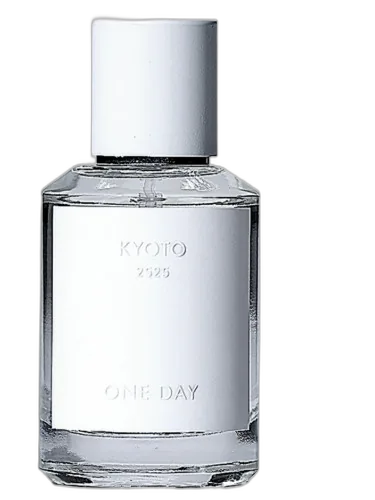
One Day
Kyoto One Day
Shared top notes: bergamot, neroli
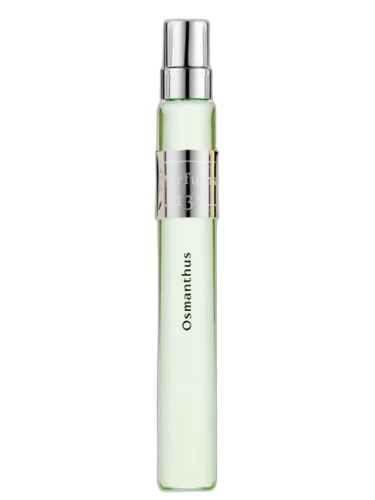
Parfums 137
Osmanthus Parfums 137
Shared top notes: bergamot, lily-of-the-valley
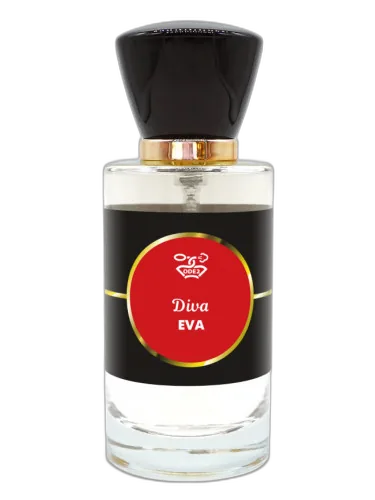
Odetu
Diva Eva Odetu
Shared top notes: bergamot, lily-of-the-valley