


Zabad Raydan
At a glance
Is Zabad Raydan worth trying?
Zabad by Raydan is a Floral Woody Musk fragrance for women and men.
- Best match
- Evening wear in Fall
- Performance feel
- Very Good longevity with Moderate sillage
- Signature profile
- woody, musky, animalic with Civet, Orange, Geranium
The first impression
Zabad by Raydan is a Floral Woody Musk fragrance for women and men. Zabad was launched during the 2010's. Top notes are Civet, Orange, Geranium, Saffron and Rose; middle notes are Orange, Jasmine, Immortelle, Raspberry and Orange Cassia Tree; base notes are Patchouli, Dry Wood, Cedar, Musk, Cypriol Oil or Nagarmotha and Sandalwood.
What shapes the scent
The perfumer behind it

Raydan
Raydan is a perfumer known for crafting evocative and culturally inspired fragrances. His creations often draw from rich traditions and natural elements, resulting in scents that feel both timeless and deeply personal. With works like Osara Raydan and Zabad Raydan, he explores unique blends that resonate with authenticity and artistry. His approach reflects a passion for storytelling through scent.
Notes pyramid
Top Notes
First impression · 15-30 min
 Civet
Civet
 Orange
 Geranium
 Saffron
 Rose
Rose
Heart Notes
Core character · 2-4 hours
Orange
 Jasmine
 Immortelle
 Raspberry
 Orange Cassia Tree
Base Notes
Lasting impression · 4+ hours
 Patchouli
 Dry Wood
 Cedar
Cedar
 Musk
Musk
 Cypriol Oil or Nagarmotha
 Sandalwood
The mood it creates
The Lover Archetype: Portrait of Zabad Raydan
Essence
To wear Zabad Raydan is to embrace an olfactory paradox-a fragrance that is at once opulent and restrained, fiery yet composed. The person who chooses this scent is drawn to the interplay of intensity and refinement, embodying the Lover archetype in its most distilled form. Their existence is a pursuit of beauty, passion, and sensory richness, yet they are not mere hedonists-they seek meaning in their pleasures, depth in their desires.
They move through life with an air of quiet magnetism, not through loud declarations but through an unspoken allure. Their presence lingers in a room like the fragrance itself: warm, woody, subtly intoxicating. They are not interested in dominating others but in seducing life itself-drawing it close, savoring it, refusing to let it pass unexamined.
Style & Aesthetic
Their tastes are deliberate, never accidental. They prefer textures that invite touch-soft leather, aged wood, fine silk-and colors that whisper rather than shout: deep burgundies, midnight blues, the muted gold of candlelight. Their wardrobe is not extravagant but exacting, each piece chosen for its ability to evoke a feeling rather than to impress.
In art, they are drawn to the sensual realism of Caravaggio, the melancholic romance of Rumi’s poetry, the slow burn of jazz rather than the immediacy of pop. They do not consume culture passively; they engage with it as a lover engages with the beloved-slowly, reverently, with an appetite that borders on devotion.
They do not rush. Their mornings are rituals: coffee brewed with care, a book read in silence, the deliberate application of Zabad Raydan-not as a mask but as an extension of self. Their home is a sanctuary, filled with objects that tell stories: a well-worn journal, a vintage decanter, a single painting that holds their gaze for hours.
They travel not to check destinations off a list but to lose and find themselves in unfamiliar streets. They are as comfortable in a dimly lit wine bar as they are wandering alone through an old city at dawn. Their life is not one of constant excitement but of curated intensity-a series of moments chosen for their resonance.
Philosophy & Values
For them, life is not a problem to be solved but a mystery to be lived. They reject asceticism, seeing it as a denial of life’s richness, but they are equally wary of mindless indulgence. Their philosophy is one of conscious hedonism-pleasure is not an escape but a form of worship, a way to touch the sublime.
They value intimacy over spectacle, depth over breadth. In relationships, they seek partners who can match their intensity-not in drama, but in presence. They despise superficiality, yet they are not immune to its temptations. Their greatest fear is to become jaded, to lose the capacity for wonder.
Relationships
They are neither possessive nor indifferent in love; they exist in the delicate balance between surrender and autonomy. When they love, they do so with a quiet ferocity, but they demand reciprocity. They will not chase, nor will they tolerate being taken for granted.
Their friendships are few but profound. They have little patience for small talk, preferring conversations that unfold like shared secrets. They are the confidant, the one who listens with their whole being, who remembers the way you take your coffee, the song that makes you pause. But their shadow lurks here too-they can withdraw without warning, retreating into solitude when they feel their depth is unappreciated.
Shadow
The Lover’s brilliance is also their peril. Their pursuit of beauty can tip into decadence, their appreciation of pleasure into escapism. When unbalanced, they may become restless, seeking ever-greater thrills only to find them hollow. They may grow impatient with the mundane, dismissing what is ordinary as unworthy of their attention.
Their greatest weakness is their disdain for the practical. They may neglect responsibilities, not out of laziness but out of a refusal to engage with what they deem "unworthy" of their energy. They risk becoming aesthetes who admire life more than they live it.
Conclusion
Yet when they are at their best, they embody what it means to be fully human-to feel deeply, to love fiercely, to refuse the anesthesia of routine. They remind others that life is not merely to be endured but to be savored.
They are not saints, nor are they sybarites. They are seekers of the sublime in the everyday, worshippers at the altar of experience. And when they leave a room, their absence is felt-not because they demanded attention, but because they gave it so freely.
In the end, they are like Zabad Raydan itself: complex, lingering, unforgettable not for its loudness but for its depth.
If you like this, try these
Fragrances with a comparable profile - shared accords, notes, and character.

Touch Of Oud
Atheer Touch Of Oud
Shared top notes: rose, saffron
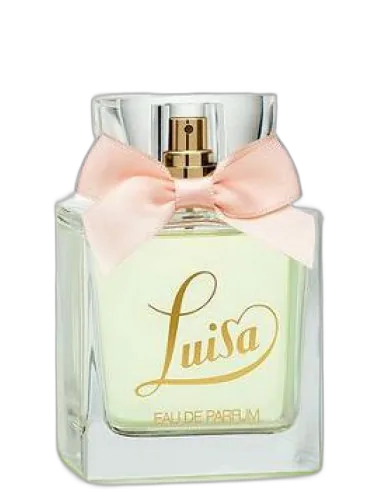
Luisa Spagnoli
Luisa Luisa Spagnoli
Shared heart notes: jasmine

La Maison Orientale
Faith La Maison Orientale
Shared top notes: orange, saffron

SuperTrash
Phramed Supertrash
Shared top notes: saffron

Isole Mediterranee
Aria Isole Mediterranee
Shared heart notes: jasmine