
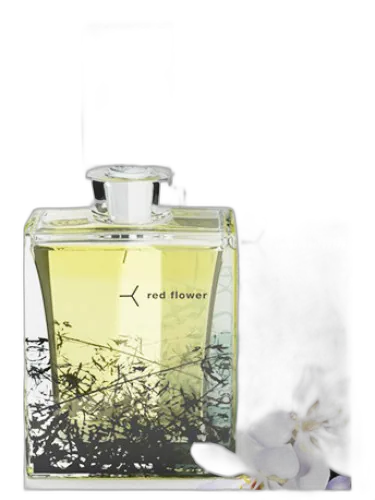

Guaiac Red Flower Organic Perfume
At a glance
Is Guaiac Red Flower Organic Perfume worth trying?
Guaiac by Red Flower Organic Perfume is a Oriental Woody fragrance for women.
- Best match
- Evening wear in Fall
- Performance feel
- Good longevity with Moderate sillage
- Signature profile
- rose, citrus, amber with Rose, Grapefruit, Copahu Balm
The first impression
Guaiac by Red Flower Organic Perfume is a Oriental Woody fragrance for women. Guaiac was launched in 2008.
What shapes the scent
The perfumer behind it

Yael Alkalay
Yael Alkalay focuses on organic, nature-inspired compositions like the earthy Guaiac for Red Flower. Their scents emphasize purity and sustainability without sacrificing complexity. Alkalay's work often highlights rare botanicals with a minimalist elegance. Each fragrance feels like a harmonious tribute to raw materials.
Notes pyramid
All Notes
Complete scent profile
 Rose
Rose
 Grapefruit
 Copahu Balm
 Elemi resin
 Tobacco
Cashmere Wood
Tobacco
Cashmere Wood
 Guaiac Wood
 Leather
 Green Notes
The mood it creates
The Lover Archetype: Portrait of Guaiac Red Flower Organic Perfume
Essence
This person is most closely aligned with The Lover archetype-not in the trivial sense of romantic pursuit, but in the Jungian understanding of one who seeks deep connection, sensuality, and harmony with the world. The Guaiac Red Flower fragrance, with its smoky warmth and organic earthiness, mirrors their essence: a being who thrives on intensity, yet remains grounded in the natural world. They are drawn to experiences that engage the senses fully, where beauty and passion are not mere indulgences but necessities of existence.
Relationships
In love and friendship, they are selective, even guarded. Superficial connections wither in their presence; they crave intimacy that burns slowly, like the embers of guaiac wood. When they trust, they give fully-their loyalty is fierce, their affection tactile. A hand on the shoulder, a shared silence, the act of brewing tea for a weary friend-these are their love languages.
Yet their intensity can be overwhelming. Some mistake their passion for possessiveness, their devotion for neediness. They do not love lightly, and they expect the same in return-a demand that can suffocate those who prefer detachment. Their shadow emerges when their hunger for connection turns cloying or desperate, when the fear of abandonment twists their warmth into manipulation.
Shadow
The Lover’s greatest weakness is their resistance to impermanence. They cling-to people, to moments, to versions of themselves that no longer exist. Nostalgia is both their muse and their prison. When wounded, they may retreat into fantasy, idealizing the past or romanticizing a future that will never be. Their sensuality, once life-affirming, can curdle into escapism-excess in wine, in touch, in longing.
But their redemption lies in acceptance. When they learn that love does not mean possession, that beauty is not diminished by its transience, they become radiant. Their warmth no longer burns; it illuminates.
Conclusion
Their tastes are refined but never ostentatious. They prefer the raw elegance of unpolished wood over cold marble, the weight of hand-thrown pottery over mass-produced glass. Their home is a sanctuary of texture-woven blankets, sun-warmed leather, the faint scent of dried herbs lingering in the air. They are drawn to art that evokes feeling rather than intellect: the brushstrokes of Fauvists, the unrestrained melodies of jazz, the poetry of Rilke.
Their philosophy is one of embodied wisdom-they distrust abstractions that divorce thought from sensation. To them, truth is not found in sterile logic but in the pulse of blood, the taste of ripe fruit, the way light filters through leaves. They believe in living deliberately, savoring each moment as if it were the last, yet they are not hedonists. Their pleasure is tempered by reverence-they know that beauty is fleeting, and this knowledge deepens their appreciation.
If you like this, try these
Fragrances with a comparable profile - shared accords, notes, and character.
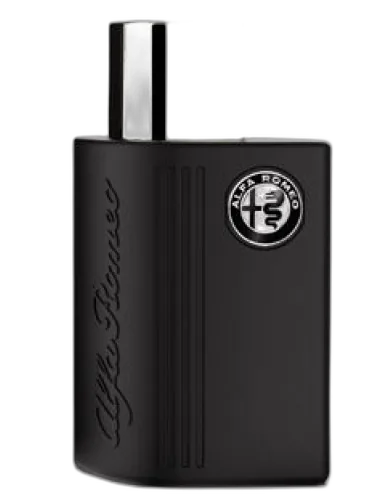
Alfa Romeo Perfumes
Black Alfa Romeo Perfumes
Shared top notes: grapefruit
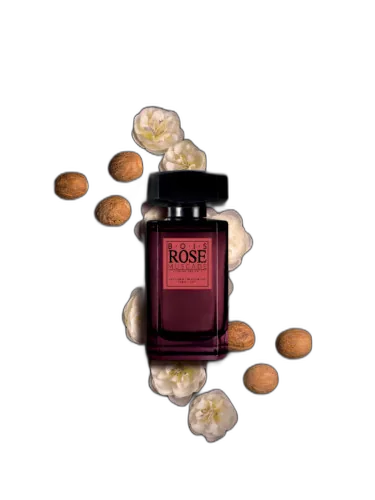
La Closerie des Parfums
Rose Muscade La Closerie Des Parfums
Shared accords: amber, aromatic, citrus
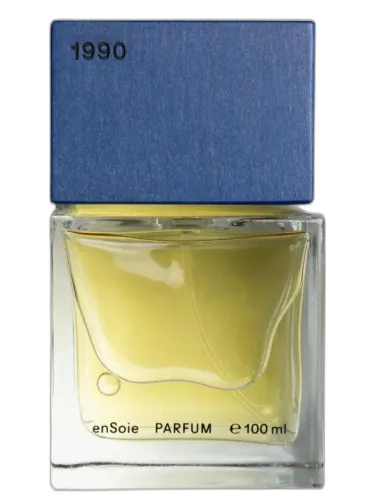
enSoie
1990 Ensoie
Shared top notes: leather, rose, tobacco
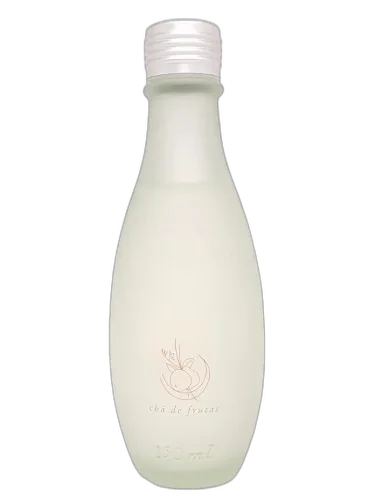
Natura
Chá De Frutas Natura
Shared top notes: grapefruit, green notes
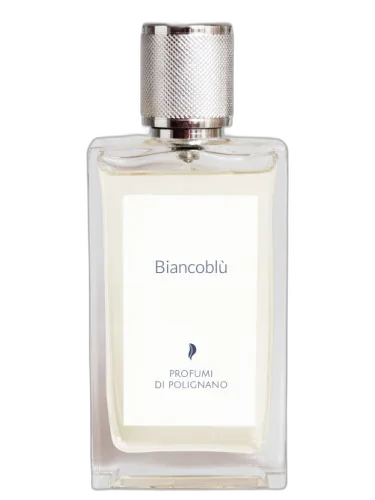
Profumi Di Polignano
Biancoblù Profumi Di Polignano
Shared top notes: grapefruit