
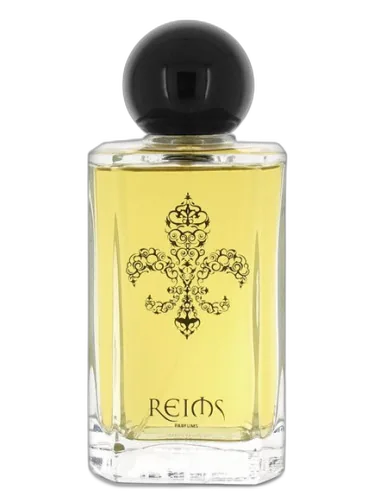
L'eau Gothique Reims
Fragrance Story
L'Eau Gothique by Reims is a Woody fragrance for women and men. L'Eau Gothique was launched in 2016. The nose behind this fragrance is Bertrand Duchaufour.
Composition Profile
About the Perfumer

Bertrand Duchaufour
Bertrand Duchaufour is a renowned French perfumer with a prolific career spanning many brands. He has created fragrances for Acqua di Parma, including Blu Mediterraneo - Cipresso Di Toscana and Colonia Assoluta, as well as for Aedes de Venustas, such as Café Tabac and Copal Azur. His style is known for its complexity and use of natural ingredients.
Fragrance Notes
All Notes
Complete scent profile
 Incense
 Bergamot
 Benzoin
 Patchouli
 Musk
Musk
 Cedar
Cedar
 Sandalwood
Character Profile
The Lover Archetype: Portrait of L'eau Gothique Reims
Essence
The person who cherishes L’Eau Gothique Reims is most closely aligned with the Mystic archetype-a seeker of hidden truths, drawn to the liminal spaces between light and dark, the sacred and the profane. This fragrance, with its gothic elegance and paradoxical blend of incense, spice, and ethereal florals, mirrors their soul: a vessel of contemplation, drawn to beauty that carries the weight of melancholy.
They are not merely drawn to mystery; they embody it. Their presence is neither loud nor obtrusive, yet it lingers, like the scent of aged parchment and cathedral stone. They do not seek to be understood, only to understand-to touch the intangible, to find meaning in the whispers of history, art, and the unconscious.
Relationships
They do not love lightly. Their relationships are deep but few, built on shared silences as much as words. They are drawn to those who see the world as they do-through a lens of poetic melancholy-but they also fear engulfment. Their shadow emerges here: a tendency toward emotional withdrawal, a habit of romanticizing solitude to the point of isolation.
Lovers find them intoxicating yet elusive. They give their heart in fragments, never all at once. Their love is like their scent-complex, layered, impossible to fully grasp. They may idealize love in the abstract but struggle with its mundanity, its demands for compromise.
Shadow
The Mystic’s greatest strength-their depth of perception-can become their cage. Their introspection, if unchecked, turns into self-absorption. They may grow disdainful of those who live superficially, forgetting that not all truths must be unearthed with solemnity. At worst, they become the recluse, the melancholic observer who admires life from a distance but refuses to fully participate.
Their aestheticism can also tip into decadence-a fascination with decay, with beauty so refined it borders on sterility. They may mistake suffering for profundity, forgetting that wisdom must sometimes step into the sun.
Conclusion
Yet when balanced, they are a rare kind of soul-one who reminds others that beauty and meaning are not always bright and obvious. They are the keepers of forgotten lore, the ones who find grace in the cracks of the world. Their presence is a quiet rebellion against the noise of modernity, a testament to the power of the unseen.
They will never be at home in the glare of daylight, but in the half-light of dusk, where shadows stretch long and incense curls toward the unseen, they are complete.
Similar Fragrances
Fragrances with a comparable profile - shared accords, notes, and character.

Smell Bent
Winter Of Love Smell Bent
Shared accords: amber, balsamic, patchouli
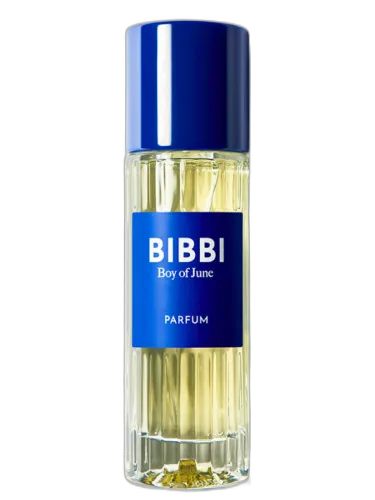
Bibbi Paris
Boy Of June Bibbi Paris
Shared accords: amber, balsamic, citrus

MAISON OLFACTIF
Dress Code: Naked Maison Olfactif
Shared accords: amber, balsamic, citrus
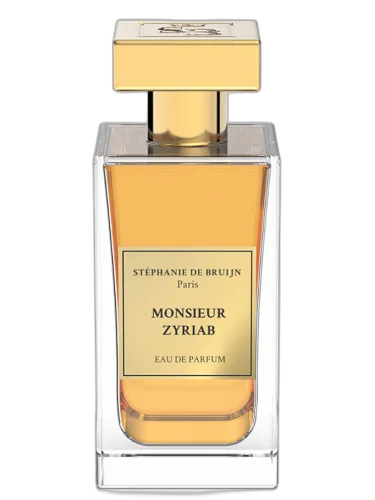
Stéphanie de Bruijn - Parfum sur Mesure
Monsieur Zyriab Stéphanie De Bruijn - Parfum Sur Mesure
Shared accords: amber, balsamic, citrus

Toni Cabal
044w - Taj Mahal Toni Cabal
Shared accords: amber, balsamic, citrus