
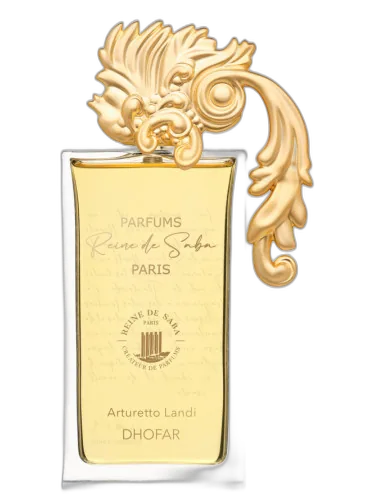
Dhofar Reine De Saba
At a glance
Is Dhofar Reine De Saba worth trying?
Dhofar by Reine de Saba is a Oriental Woody fragrance for women and men.
- Best match
- Evening, Special Occasion wear in Fall, Winter
- Performance feel
- Very Good longevity with Strong sillage
- Signature profile
- leather, warm spicy, fruity with Saffron, Black Currant, Raspberry
The first impression
Dhofar by Reine de Saba is a Oriental Woody fragrance for women and men. This is a new fragrance. Dhofar was launched in 2024. The nose behind this fragrance is Arturetto Landi. Top notes are Saffron, Black Currant and Raspberry; middle notes are Orris, Jasmine, Lily-of-the-Valley and Rose; base notes are Leather, Oud, Patchouli and Honey.
What shapes the scent
The perfumer behind it

Arturetto Landi
Arturetto Landi is an Italian perfumer known for his work with brands like Adjiumi and Al-Jazeera Perfumes. His style balances classic structure with bold contrasts, often blending rich resins with unexpected floral or gourmand notes. Notable creations include the complex 1918 Parfum National series and the intense, darkly sweet Adjiumi Incubo.
Notes pyramid
Top Notes
First impression · 15-30 min
 Saffron
 Black Currant
 Raspberry
Heart Notes
Core character · 2-4 hours
 Orris
Orris
 Jasmine
 Lily-of-the-Valley
 Rose
Rose
Base Notes
Lasting impression · 4+ hours
 Leather
Oud
Leather
Oud
 Patchouli
 Honey
Honey
The mood it creates
The Lover Archetype: Portrait of Dhofar Reine De Saba
Essence
To wear Dhofar Reine De Saba is to embrace the intoxicating dance of opposites-dark and luminous, earthy and ethereal, raw and refined. This fragrance, with its deep resins, smoky woods, and whispers of spice, is not for the timid. It belongs to one who understands pleasure as both an art and a discipline, a person who walks the line between indulgence and restraint. Their archetype is unmistakable: The Lover, in the Jungian sense-not merely a romantic, but a devotee of beauty, sensation, and the richness of experience.
This person lives through the senses, yet their sensuality is not frivolous. They seek depth in every touch, every scent, every glance. Their philosophy is simple yet profound: Life is to be tasted, not merely endured. They move through the world with an almost magnetic presence, drawing others in not through force, but through an unspoken promise of intensity. Their style is deliberate-rich fabrics, textures that beg to be touched, colors that evoke warmth and mystery. They favor the timeless over the trendy, the well-worn over the pristine.
In relationships, they are both generous and demanding. They give love lavishly, expecting nothing less in return. Their partners are chosen not for practicality, but for their ability to match this depth of feeling. Yet, here lies the paradox: their passion can become possessive, their devotion a cage. They do not love lightly, and they struggle to release what they have claimed.
Shadow
Yet, like all who live by sensation, they flirt with excess. Their pursuit of beauty can tip into hedonism; their love of intensity can become a need for constant stimulation. When bored or unfulfilled, they may seek distraction in ways that erode their dignity-indulging in fleeting affairs, overspending on luxuries, losing themselves in nostalgia.
Their greatest fear is numbness. To feel nothing is a fate worse than pain. This dread sometimes drives them to create drama where none exists, to test relationships to the breaking point just to feel something. They are prone to melancholy, haunted by the impermanence of all they cherish. The scent they wear-Dhofar Reine De Saba-mirrors this duality: it is opulent yet somber, a reminder that even the most intoxicating pleasures fade.
Conclusion
They possess an uncanny ability to make others feel seen. In conversation, they listen with their whole body, their attention a rare gift in an age of distraction. Their tastes are refined but never pretentious-they appreciate the aged wine, the handwritten letter, the slow-cooked meal shared among friends. They are drawn to art that stirs something primal: the poetry of Rumi, the paintings of Caravaggio, the music of Nina Simone.
Their values are rooted in authenticity. They despise the shallow, the performative, the half-lived life. To them, pleasure is not decadence but a form of reverence-an acknowledgment of life’s fleeting beauty. They are the kind of person who will pause to trace the veins of a leaf, who remembers the exact way someone takes their coffee, who finds ecstasy in the ordinary.
If you like this, try these
Fragrances with a comparable profile - shared accords, notes, and character.
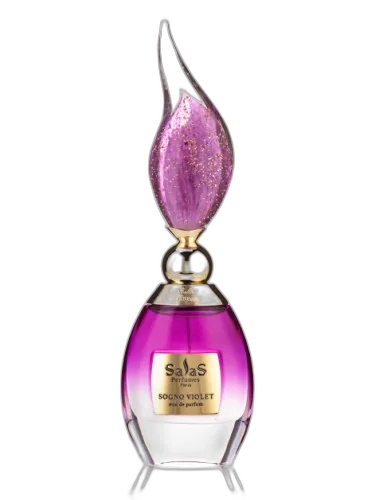
Salas
Sogno Violet Salas
Shared top notes: raspberry, saffron

BESTSELLER
Jericho Bestseller
Shared top notes: raspberry, saffron

La Maison Orientale
Faith La Maison Orientale
Shared top notes: saffron
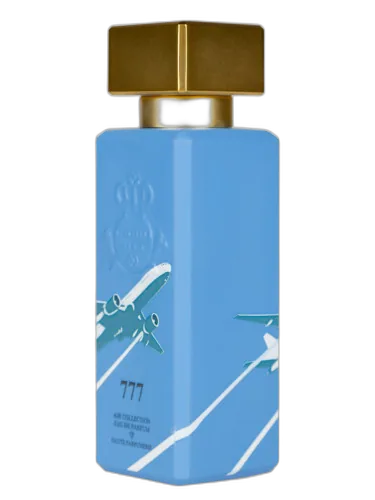
Al-Jazeera Perfumes
777 Al-jazeera Perfumes
Shared top notes: raspberry
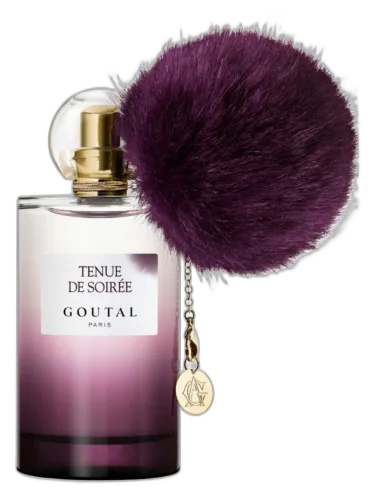
Goutal
Tenue De Soiree Goutal
Shared top notes: black currant