
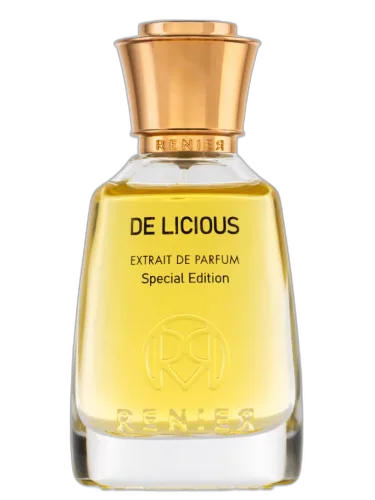

De Licious Renier Perfumes
At a glance
Is De Licious Renier Perfumes worth trying?
De Licious by Renier Perfumes is a Oriental Woody fragrance for women and men.
- Best match
- Evening, Special Occasion wear in Fall, Winter
- Performance feel
- Very Good longevity with Strong sillage
- Signature profile
- woody, sweet, musky with Dark Chocolate, Orange, Anise
The first impression
De Licious by Renier Perfumes is a Oriental Woody fragrance for women and men. De Licious was launched in 2021. The nose behind this fragrance is Christian Carbonnel. Top notes are Dark Chocolate, Orange, Anise, Yuzu and Labdanum; middle notes are Castoreum, Honey, Civet, Patchouli and Dried Fruits; base notes are Woody Notes, Amber, Sandalwood and Musk.
What shapes the scent
The perfumer behind it

Christian Carbonnel
Christian Carbonnel is a prolific perfumer whose catalog includes diverse creations for ALYSONOLDOINI, Accendis, and Al Haramain Perfumes. His work ranges from the woody Bourbon Oud to the floral Bucato Royale, as well as the elegant Atifa Blanche and Atifa Noir. Carbonnel's style spans both niche and accessible markets, often blending traditional and modern elements.
Notes pyramid
Top Notes
First impression · 15-30 min
 Dark Chocolate
 Orange
 Anise
Anise
 Yuzu
Yuzu
 Labdanum
Heart Notes
Core character · 2-4 hours
 Castoreum
 Honey
Honey
 Civet
Civet
 Patchouli
 Dried Fruits
Base Notes
Lasting impression · 4+ hours
 Woody Notes
 Amber
Amber
 Sandalwood
 Musk
Musk
The mood it creates
The Lover Archetype: Portrait of De Licious Renier Perfumes
Essence
To wear De Licious Renier is to embrace a fragrance that exudes indulgence-a scent that is rich, bold, and unabashedly sensual. The person who favors this perfume does not merely apply it; they embody it. They are the Hedonist, an archetype rooted in pleasure, experience, and the unapologetic pursuit of life’s delights.
The Hedonist is a figure of magnetism and vitality, drawn to beauty in all its forms. They are not content with mere existence; they demand intensity. Their philosophy is simple yet profound: Life is to be tasted, savored, devoured. They reject asceticism, seeing it as a denial of the senses, and instead embrace the world as a banquet of experiences waiting to be consumed.
Their style is opulent but deliberate-luxurious fabrics, bold colors, textures that beg to be touched. They move through the world with a languid confidence, as if every step is a performance and every room their stage. Their tastes are refined but never restrained: they prefer wines that linger on the tongue, music that stirs the blood, and conversations that flirt with danger.
Shadow
Yet, like all archetypes, the Hedonist has a shadow. Their pursuit of pleasure can tip into excess-too much wine, too many lovers, too little restraint. They may grow restless, always chasing the next high, never satisfied. The very intensity that makes them magnetic can also make them unreliable, even destructive.
Their relationships may suffer from their inability to sit with stillness. They fear boredom more than ruin, and this can lead to a life of fleeting joys rather than lasting fulfillment. Their philosophy, when unchecked, risks becoming hollow-a series of sensations without deeper meaning.
Conclusion
The Hedonist’s greatest strength is their ability to live fully. They are not paralyzed by doubt or hesitation; they act, they indulge, they feel. This makes them intoxicating company-people are drawn to their energy, their refusal to conform to dull propriety. They are the ones who convince friends to stay out until dawn, who turn ordinary dinners into feasts, who make even silence feel charged with possibility.
In relationships, they are passionate and generous, offering affection without hesitation. They love deeply, though sometimes fleetingly, for their devotion is tied to the thrill of the moment. Their partners are often ensnared by their charm, their ability to make the mundane feel extraordinary.
If you like this, try these
Fragrances with a comparable profile - shared accords, notes, and character.
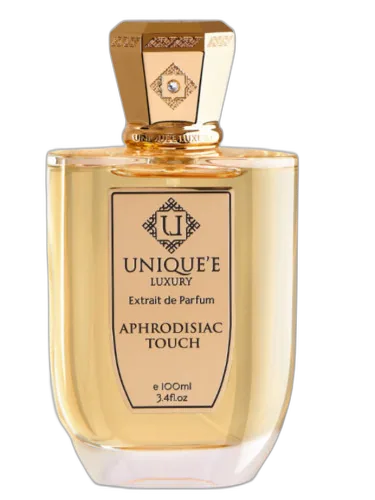
Unique'e Luxury
Aphrodisiac Touch Unique'e Luxury
Shared heart notes: patchouli
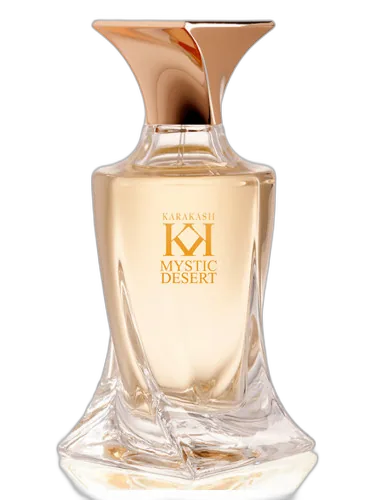
Karakash Perfume
Mystic Desert Karakash Perfume
Shared heart notes: patchouli
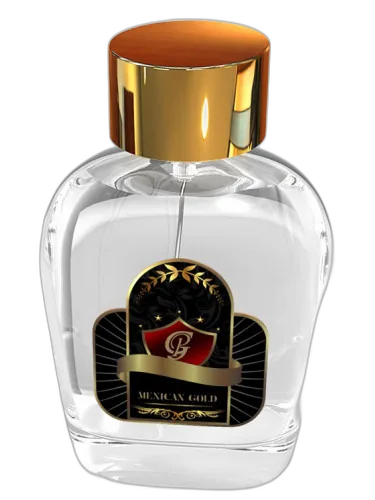
Pure Gold Perfumes
Mexican Gold Pure Gold Perfumes
Shared top notes: labdanum
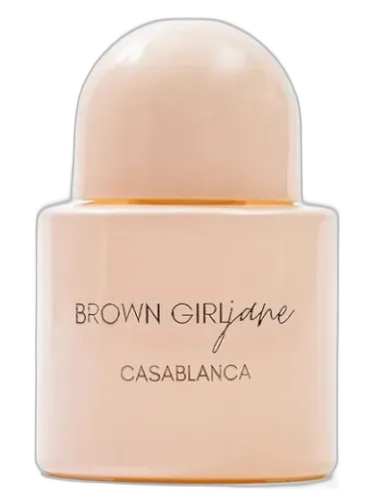
Brown Girl Jane
Casablanca Brown Girl Jane
Shared base notes: amber, musk, sandalwood

Rasasi
Sharina Rasasi
Shared heart notes: castoreum, civet