
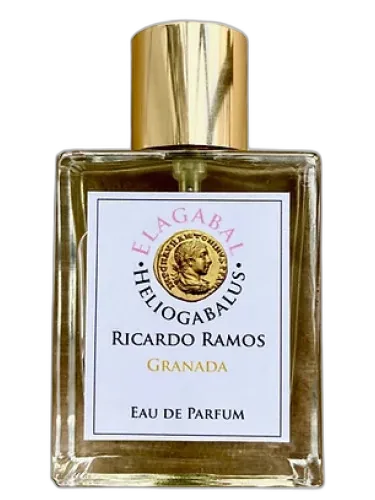
Elagabal - Heliogabalus Ricardo Ramos Perfumes De Autor
Fragrance Story
Elagabal - Heliogabalus by Ricardo Ramos Perfumes de Autor is a fragrance for women and men. Elagabal - Heliogabalus was launched in 2021. Elagabal - Heliogabalus was created by Jorge Lee and Ricardo Ramos. Top notes are Gardenia, Wild Berries, Bergamot and Petitgrain; middle notes are Turkish Rose, Cassis and Lipstick; base notes are Musk, Saffron, Costus and Styrax.
Composition Profile
About the Perfumer

Jorge Lee
Jorge Lee composed fragrances for multiple brands, including Alghabra Parfums (From The Heart, Poem Of Damas, Scent Of Paradise), Calaj (Aliz), Galleria Parfums (Victorian Tobacco), Mes Bisous (Amberique), and Navitus Parfums (Arcanum, Aura Ultime). His work spans diverse genres, from floral and oriental to tobacco and amber accords. He demonstrates adaptability across different olfactory styles.
Fragrance Notes
Top Notes
First impression · 15-30 min
 Gardenia
 Wild Berries
 Bergamot
 Petitgrain
Heart Notes
Core character · 2-4 hours
Turkish Rose
Cassis
 Lipstick
Base Notes
Lasting impression · 4+ hours
 Musk
Musk
 Saffron
 Costus
 Styrax
Elagabal - Heliogabalus Ricardo Ramos Perfumes De Autor by Ricardo Ramos Perfumes de Autor offers a distinctive olfactory experience that stands out from other fragrances in its category.
Crafted with the finest ingredients and a blend of traditional and modern perfumery techniques, this fragrance represents the pinnacle of the perfumer's art.
Elagabal - Heliogabalus Ricardo Ramos Perfumes De Autor embodies the distinctive style of Ricardo Ramos Perfumes de Autor while adding a unique chapter to their fragrance portfolio.
Character Profile
The Mystic Archetype: Portrait of Elagabal - Heliogabalus Ricardo Ramos Perfumes De Autor
Essence
This person is defined by the Mystic archetype, a seeker of transcendence, drawn to the sacred and the sublime. The Mystic does not merely experience life-they ritualize it, turning the mundane into the mythic. Elagabal, with its dark resins, smoky incense, and opulent spices, is not a fragrance but an invocation-an olfactory temple where the divine and the decadent intertwine. The wearer of this scent does not seek to be understood; they seek to be felt, to evoke the ineffable.
Style & Aesthetic
Their appearance is a carefully curated hieroglyph-every garment, every accessory, a symbol. They favor rich textures: velvet that whispers, silk that gleams like oil on water, leather that has known both violence and tenderness. Their palette is deep-black, blood red, gold-colors that speak of power, sacrifice, and illumination.
Jewelry is not mere adornment but talismanic: signet rings, amulets, chains that suggest both bondage and consecration. They do not dress to impress but to manifest-their body is a temple, and their attire, its sacred vestments.
They are a connoisseur of the senses, seeking experiences that blur the line between pleasure and sacrament. Their tastes are baroque: they drink wine that tastes of crushed violets and iron, savor foods that walk the edge of decay (blue cheese, overripe figs, bitter chocolate). Music, for them, must be immersive-liturgical chants, neoclassical dirges, the throbbing pulse of darkwave.
Bookshelves groan under the weight of grimoires, decadent literature, and philosophical treatises. They are as likely to quote Baudelaire as they are to meditate on the Corpus Hermeticum.
They are drawn to liminal spaces-dimly lit cafés at midnight, abandoned churches, the quiet before dawn. Their home is a sanctuary, filled with candles, incense, and relics of their obsessions. They may keep odd hours, finding the night more fertile for thought than the garish light of day.
Work must have meaning beyond utility; they are ill-suited for the mundane machinery of conventional careers. They thrive in roles that allow them to explore the numinous-art, writing, esoteric studies, or even professions that flirt with danger (medicine, forensic science, the occult trades).
Philosophy & Values
For them, existence is not a linear path but a spiral-a return, again and again, to the same essential truths, each time with deeper understanding. They are drawn to esoteric traditions, ancient mythologies, and the occult, not as mere curiosities but as living systems of meaning. Their philosophy is one of sacred intensity-they believe in ecstasy as a path to wisdom, in excess as a form of devotion.
Yet, their reverence is not passive. They do not kneel before the divine; they converse with it, challenge it, demand revelation. Their spirituality is fiery, personal, unorthodox. They may reject organized religion but embrace ritual, crafting their own liturgies from fragments of forgotten faiths.
Relationships
Their relationships are intense, often polarized between worship and ruin. They do not love lightly; they love ritually, with a fervor that can exalt or consume. Friends are chosen for their ability to withstand depth-conversations must pierce the veil of small talk, or they will lose interest.
Romantic partners are either fellow pilgrims or unwitting sacrifices on the altar of their passion. They crave a love that feels fated, mythic-something that would make the gods themselves take notice. But this hunger can become destructive, turning intimacy into a theater of power and surrender.
Shadow
The Mystic’s strength is also their peril. Their pursuit of the sublime can tip into self-destruction, mistaking excess for enlightenment. They may grow intoxicated by their own symbolism, losing themselves in the labyrinth of their mind. Isolation, once a refuge, can become a prison.
Their disdain for the ordinary may harden into contempt, leaving them alienated from those who do not share their intensity. And their hunger for transcendence can lead them to mistake poison for sacrament-whether in love, substances, or ideology.
Conclusion
They are both priest and heretic, a keeper of flames that could either illuminate or consume. To wear Elagabal is to declare that life is not merely lived but consecrated-that every breath is an act of devotion, every choice a ritual. They walk the edge where beauty and danger meet, and though they may falter, they will never settle for a world without mystery.
In the end, they are not seeking answers-they are seeking the right questions, the ones that burn.
Similar Fragrances
Fragrances with a comparable profile - shared accords, notes, and character.
Ricardo Ramos Perfumes de Autor
Elagabal - Heliogabalus Ricardo Ramos Perfumes De Autor
Shared accords: aromatic, citrus, fresh spicy

The Fragrance Kitchen
Dreamy The Fragrance Kitchen
Shared accords: aromatic, citrus, fresh spicy

Beautycounter
Hyper Rose Beautycounter
Shared accords: aromatic, citrus, fruity
Laughing Saint
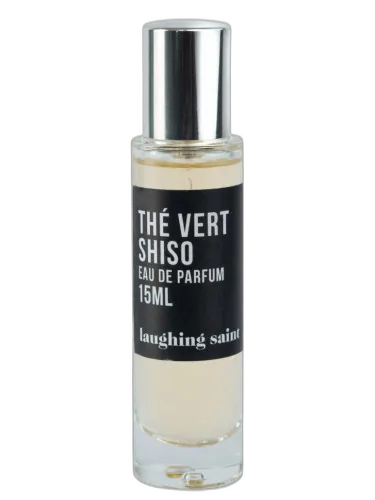
Thé Vert Shiso Laughing Saint
Shared accords: aromatic, citrus, fresh spicy
Penhaligon's
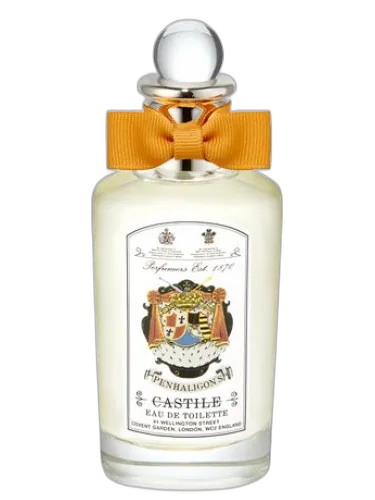
Castile Penhaligon's
Shared accords: aromatic, citrus, fresh spicy