
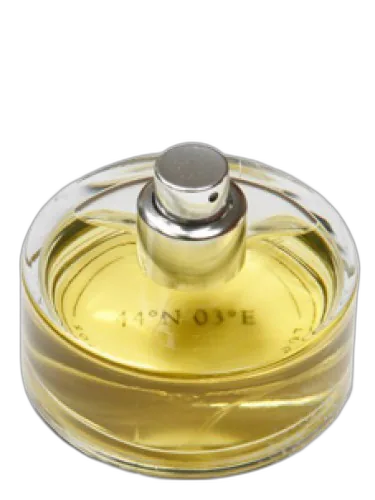

44°n 03°e - Causse Méjean Richard Lüscher Britos
Fragrance Story
44°N 03°E - Causse Méjean by Richard Lüscher Britos is a Oriental Fougere fragrance for women and men. 44°N 03°E - Causse Méjean was launched in 2014. Top note is Lavender; middle notes are Wild Lavender, Juniper, Pine Tree and Resins; base notes are Vanilla, Chestnut and Sugar.
Composition Profile
About the Perfumer

Unknown Perfumer
Fragrance Notes
Top Notes
First impression · 15-30 min
 Lavender
Heart Notes
Core character · 2-4 hours
 Wild Lavender
 Juniper
 Pine Tree
 Resins
Base Notes
Lasting impression · 4+ hours
 Vanilla
 Chestnut
 Sugar
Sugar
44°n 03°e - Causse Méjean Richard Lüscher Britos by Richard Lüscher Britos offers a distinctive olfactory experience that stands out from other fragrances in its category.
Crafted with the finest ingredients and a blend of traditional and modern perfumery techniques, this fragrance represents the pinnacle of the perfumer's art.
44°n 03°e - Causse Méjean Richard Lüscher Britos embodies the distinctive style of Richard Lüscher Britos while adding a unique chapter to their fragrance portfolio.
Character Profile
The Wanderer Archetype: Portrait of 44°n 03°e - Causse Méjean Richard Lüscher Britos
Essence
To wear 44°n 03°e - Causse Méjean by Richard Lüscher Britos is to embrace an olfactory paradox-a fragrance that is at once rugged and refined, earthy yet ethereal. The scent speaks of limestone plateaus, wild herbs, and the quiet austerity of untouched landscapes. The person who chooses this fragrance is not one for the obvious or the ornamental; they seek depth in silence, meaning in the unspoken. Their archetype is The Sage, but not the kind who sits in dusty libraries. This is a Sage of the open air, a thinker who finds wisdom in the textures of the world.
Shadow
Yet the Sage is not without their burdens. Their greatest strength-their independence-can curdle into aloofness. They may mistake emotional distance for wisdom, withdrawing into their own mind until they become a spectator in their own life. Their disdain for the superficial can harden into contempt, leaving them stranded on an island of their own making.
They might struggle with intimacy, not out of fear but out of a quiet arrogance-an assumption that few can meet their standards. Their love for the austere can become a kind of asceticism, denying themselves (and others) the simple joys of warmth and indulgence. There is a danger, too, in their fascination with the profound; they may dismiss the mundane as trivial, forgetting that wisdom is also found in the ordinary.
Conclusion
This person moves through life with the quiet confidence of one who has learned to trust their own perceptions. They are drawn to the raw and the authentic-whether in art, conversation, or experience. Their style is understated but deliberate: linen shirts that soften with wear, leather bags that age into character, a wristwatch that tells time without ostentation. They prefer the weight of a well-bound book to the glow of a screen, the taste of bitter herbs to the cloying sweetness of mass-produced pleasures.
Philosophy is not an abstract exercise for them but a lived discipline. They might quote Heraclitus or Camus in passing, not to impress but because these thinkers articulate something they already feel in their bones. They believe in the necessity of solitude, the kind that sharpens the mind rather than isolates it. Relationships are few but profound-they do not suffer fools, nor do they waste words on empty chatter. Their closest bonds are with those who understand the value of silence, who can share a meal or a walk without the compulsion to fill the air with noise.
Their lifestyle is one of deliberate simplicity. They might live in a city but escape to the countryside whenever possible, or perhaps they have chosen a small town where the rhythms of nature still dictate the pace of life. They are drawn to craftsmanship-woodworking, pottery, or even the slow art of brewing coffee-because they respect the marriage of skill and patience.
Similar Fragrances
Fragrances with a comparable profile - shared accords, notes, and character.

Paris Corner
Camp Fire Emir Factory Edition Paris Corner
Shared accords: aromatic, balsamic, fresh spicy

Aurora Scents
Cuban Wood Aurora Scents
Shared accords: aromatic, balsamic, nutty

Infiniment Coty Paris
L'amour Pourpre Infiniment Coty Paris
Shared accords: aromatic, balsamic, fresh spicy

Giorgio Armani
Emporio Armani Stronger With You Giorgio Armani
Shared accords: aromatic, balsamic, lavender

Pacifica
Beach Lavender Lemon Pacifica
Shared accords: aromatic, fresh spicy, lavender