
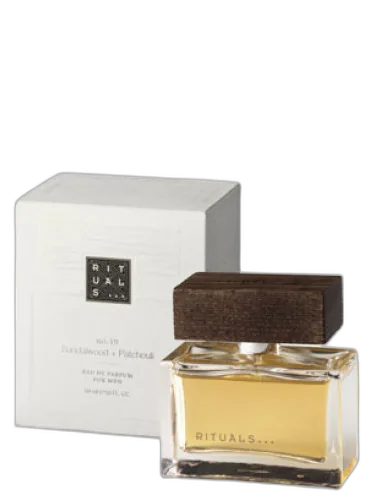

No. 19 Sandal Wood & Patchouli Rituals
At a glance
Is No. 19 Sandal Wood & Patchouli Rituals worth trying?
No.
- Best match
- Evening wear in Fall
- Performance feel
- Good longevity with Moderate sillage
- Signature profile
- woody, warm spicy, patchouli with Patchouli, Sandalwood, Cardamom
The first impression
No. 19 Sandal Wood & Patchouli by Rituals is a Woody Spicy fragrance for men. No. 19 Sandal Wood & Patchouli was launched in 2010. The nose behind this fragrance is Fabrice Pellegrin.
What shapes the scent
The perfumer behind it

Fabrice Pellegrin
Fabrice Pellegrin is a highly prolific French perfumer who has worked for Givaudan and created fragrances for numerous global brands. His catalog includes Adidas Energy Drive, Amouage Sunshine Man, and Aedes de Venustas Cierge De Lune. Pellegrin is known for his versatility across fresh, woody, and oriental compositions.
Notes pyramid
All Notes
Complete scent profile
 Patchouli
 Sandalwood
 Cardamom
 Vetiver
 Guaiac Wood
 Nutmeg
 Virginia Cedar
 Oregano
The mood it creates
The Sage Archetype: Portrait of No. 19 Sandal Wood & Patchouli Rituals
Essence
This person is most closely aligned with the Sage-or, in its more introverted form, the Hermit. Their chosen fragrance, No. 19 Sandalwood & Patchouli, speaks of depth, contemplation, and an earthy sensuality that is neither ostentatious nor fleeting. Sandalwood carries the weight of ancient wisdom, while patchouli grounds it in the raw, organic pulse of life. The Sage seeks truth, not in grand proclamations, but in the quiet resonance of experience. They are drawn to the scent because it mirrors their essence: a fusion of intellect and instinct, austerity and warmth.
Style & Aesthetic
Their tastes are deliberate, favoring textures and tones that evoke permanence-aged leather, unpolished wood, linen that softens with time. They might wear clothing in muted hues, with occasional flashes of deep burgundy or forest green, as if allowing the earth itself to speak through them. Their home is a sanctuary of books, incense, and carefully chosen artifacts-each object a talisman of meaning rather than mere decoration.
Philosophically, they are drawn to thinkers who balance reason with reverence for the unseen: Jung, Nietzsche, perhaps the Stoics or Eastern mystics. They distrust dogma but respect tradition, seeing it as a wellspring of collective wisdom to be sifted, not swallowed whole. Their values center on authenticity-not the performative kind, but the slow, often painful work of self-knowledge.
Shadow
Yet wisdom, when unchecked, can calcify into dogma. Their love of solitude may slip into isolation; their disdain for superficiality can harden into contempt. They might dismiss emotions as irrational, forgetting that even the deepest truths must sometimes be felt, not dissected. Their routines, once sacred, may become cages-unyielding, resistant to spontaneity.
Worse still, their introspection can turn inward like a serpent eating its tail. They may mistake brooding for depth, or pride themselves on their independence to the point of refusing help when needed. The Sage must remember that wisdom untested by life’s chaos is merely theory.
Conclusion
They thrive in solitude, not out of misanthropy, but because silence is where the mind breathes deepest. Their relationships are few but profound; they have little patience for small talk but will engage for hours on ideas that matter. Romantic partners must understand their need for independence-they love deeply but require space to retreat into their inner world.
Their lifestyle is one of measured indulgence. They might savor a single-malt whiskey by the fire, or spend an afternoon tracing the scent of rain on dry soil. Routine is sacred to them, not out of rigidity, but because ritual is how they commune with the sublime in the mundane.
If you like this, try these
Fragrances with a comparable profile - shared accords, notes, and character.
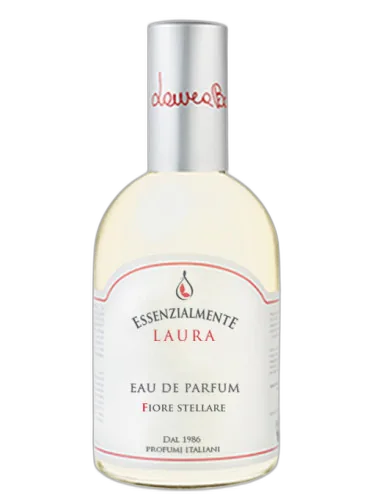
Essenzialmente Laura
Fiore Stellare Essenzialmente Laura
Shared top notes: sandalwood, vetiver
La Petite Madeleine
Âme Santal La Petite Madeleine
Shared top notes: cardamom
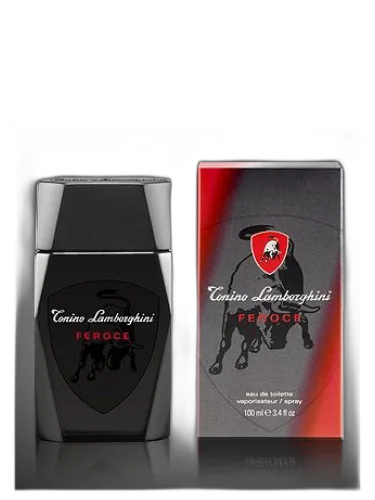
Tonino Lamborghini
Feroce Tonino Lamborghini
Shared top notes: cardamom, nutmeg, patchouli
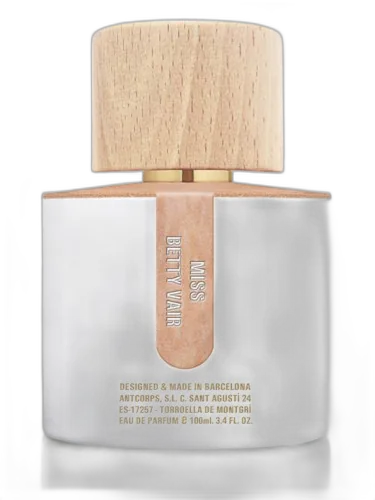
Santi Burgas
Miss Betty Vair Santi Burgas
Shared top notes: nutmeg, patchouli, vetiver

Little Bottle Perfumes
Cedar Whispers Little Bottle Perfumes
Shared top notes: patchouli, sandalwood, vetiver