


Paradise Found Roberto Cavalli
At a glance
Is Paradise Found Roberto Cavalli worth trying?
Paradise Found For Men by Roberto Cavalli is a Woody Aromatic fragrance for men.
- Best match
- Evening wear in Summer
- Performance feel
- Good longevity with Moderate sillage
- Signature profile
- musky, woody, amber with Green Notes, Pimento Seeds, Cashmeran
The first impression
Paradise Found For Men by Roberto Cavalli is a Woody Aromatic fragrance for men. Paradise Found For Men was launched in 2020. The nose behind this fragrance is Jean-Christophe Hérault. Top notes are Green Notes and Pimento Seeds; middle notes are Cashmeran, Patchouli and Clary Sage; base notes are Musk and Ambergris.
What shapes the scent
The perfumer behind it

Jean-Christophe Hérault
Jean-Christophe Hérault is a French perfumer known for his work with major houses like Balenciaga and Azzaro. He created Florabotanica and Rosabotanica for Balenciaga, as well as Azzaro Chrome Aqua. His portfolio also includes fragrances for Boucheron and Balchaud, showcasing a range from fresh aquatics to floral compositions.
Notes pyramid
Top Notes
First impression · 15-30 min
 Green Notes
 Pimento Seeds
Heart Notes
Core character · 2-4 hours
 Cashmeran
 Patchouli
 Clary Sage
Base Notes
Lasting impression · 4+ hours
 Musk
Musk
 Ambergris
The mood it creates
The Lover Archetype: Portrait of Paradise Found Roberto Cavalli
Essence
To wear Paradise Found by Roberto Cavalli is to embrace a fragrance that is lush, intoxicating, and unapologetically hedonistic-a scent that evokes ripe figs, sun-warmed woods, and the faintest whisper of salt from an unseen ocean. The person who chooses this fragrance is not merely selecting a perfume; they are declaring an allegiance to the Lover archetype, one who seeks beauty, pleasure, and deep connection in all things.
Style & Aesthetic
Their presence is magnetic, not through force but through allure. They dress in fabrics that drape and flow, favoring rich textures-velvet, silk, linen-that invite touch. Earthy tones dominate their wardrobe, but never dull ones; instead, deep greens, burnt oranges, and golds that catch the light like the last rays of sunset. Their jewelry is bold but organic, perhaps a chunky amber pendant or a ring shaped like a vine.
Their home is a sanctuary of sensory indulgence: low lighting, plush cushions, shelves lined with well-loved books on art, mythology, and travel. There is always music playing-something rhythmic but not intrusive, like bossa nova or classical guitar. They cook with spices that fill the air, drink wine slowly, and never rush a meal.
They are not a creature of routine, but neither are they reckless. They move through life with a calculated spontaneity, balancing indulgence with self-awareness. They might spend a weekend lost in a lover’s arms, then retreat for days into solitude, reading philosophy or painting.
Work is secondary unless it aligns with their passions-perhaps they are a chef, a perfumer, a curator, or a therapist. They thrive in roles that allow them to engage deeply with others, to create or facilitate beauty. Money is a means, not an end; they would rather have less and live richly than hoard wealth without joy.
Philosophy & Values
For them, life is not merely to be endured but to be savored. They reject asceticism, seeing it as a denial of the body’s wisdom. Their philosophy is rooted in the belief that pleasure is not frivolous but sacred-a way to commune with the divine. They are drawn to poets like Rumi and Sappho, who wrote of love as both earthly and transcendent.
Yet, their pursuit of beauty is not shallow. They understand that true pleasure requires depth. A fleeting thrill is meaningless without emotional resonance. They seek intimacy-not just in romance but in friendships, in art, in the way they experience the world. Their conversations are unhurried, their laughter rich and full. They listen with their whole body, making others feel truly seen.
Relationships
In love, they are both passionate and demanding. They crave partners who match their intensity, who are unafraid of vulnerability. Their relationships are marked by sensuality, but also by a deep emotional current-they do not separate the two. They are generous lovers, attentive to the smallest details: the way their partner takes their coffee, the exact pressure of a touch.
Yet, their shadow emerges here. The Lover’s weakness is possessiveness. When they love, they love fiercely, and they expect the same in return. If they feel neglected, they may become melodramatic, turning affection into a test. They can also grow restless, always chasing the next intoxication, the next peak experience, never fully satisfied.
Shadow
The Lover’s greatest danger is overindulgence. They can lose themselves in sensation, mistaking intensity for meaning. Wine becomes a crutch, sex becomes a distraction, and beauty becomes an escape. If unchecked, they may grow jaded, seeking ever-greater thrills to feel alive.
They must learn that pleasure, like all things, requires discipline-not to deny it, but to refine it. The deepest ecstasy comes not from constant stimulation but from presence, from the ability to find wonder in the ordinary.
If you like this, try these
Fragrances with a comparable profile - shared accords, notes, and character.
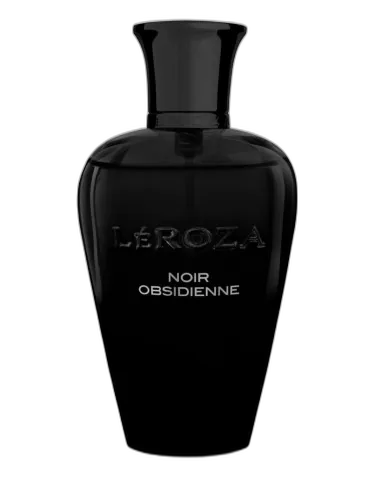
LeROZA Perfumes
Noir Obsidienne Leroza Perfumes
Shared heart notes: patchouli
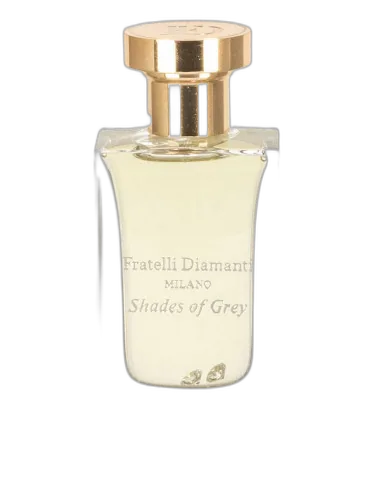
Fratelli Diamanti
Shades Of Grey Fratelli Diamanti
Shared base notes: ambergris, musk

Yves Saint Laurent
Exquisite Embroidery Yves Saint Laurent
Shared heart notes: patchouli
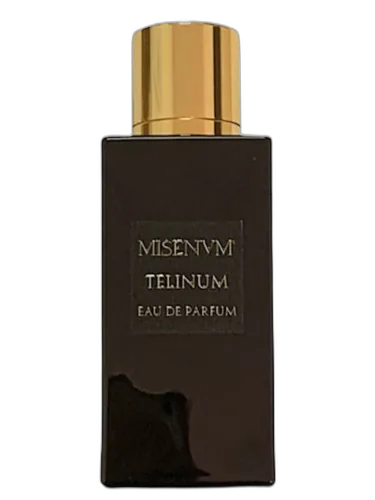
Misenum
Telinum Misenum
Shared heart notes: patchouli
Azzaro
Visit Azzaro
Shared base notes: ambergris, musk