
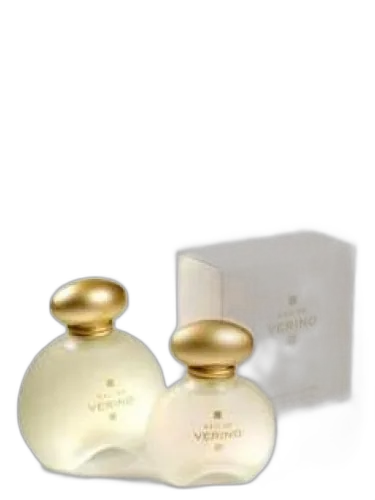

Eau De Verino Roberto Verino
At a glance
Is Eau De Verino Roberto Verino worth trying?
Eau de Verino by Roberto Verino is a Floral fragrance for women.
- Best match
- Evening wear in Spring
- Performance feel
- Good longevity with Moderate sillage
- Signature profile
- floral, citrus, fruity with Bergamot, Cassis, Grapefruit
The first impression
Eau de Verino by Roberto Verino is a Floral fragrance for women. Eau de Verino was launched in 2002. The nose behind this fragrance is Agusti Vidal. Top notes are Bergamot, Cassis, Grapefruit, Hiacynth and Mandarin Orange; middle notes are Chinese Osmanthus, Freesia, Egyptian Jasmine, Magnolia and Lily-of-the-Valley; base notes are Cedar, Moss, White Musk, Ambergris and Sea Notes.
What shapes the scent
The perfumer behind it
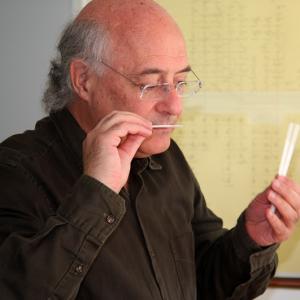
Agusti Vidal
Agusti Vidal is a Spanish perfumer known for his work with Puig and other major fragrance houses. His style balances fresh, modern accords with warm, sensual undertones, often creating versatile and accessible compositions. Notable creations include the vibrant floral-fruity Pepe Jeans Celebrate For Her and the citrusy, Mediterranean-inspired Nuvol De Llimona for Roca Perfums.
Notes pyramid
Top Notes
First impression · 15-30 min
 Bergamot
 Cassis
 Grapefruit
Hiacynth
Grapefruit
Hiacynth
 Mandarin Orange
Heart Notes
Core character · 2-4 hours
Chinese Osmanthus
 Freesia
Egyptian Jasmine
Freesia
Egyptian Jasmine
 Magnolia
 Lily-of-the-Valley
Base Notes
Lasting impression · 4+ hours
 Cedar
Moss
White Musk
Cedar
Moss
White Musk
 Ambergris
Sea Notes
Ambergris
Sea Notes
The mood it creates
The Lover Archetype: Portrait of Eau De Verino Roberto Verino
Essence
The person who favors Eau De Verino Roberto Verino is most closely aligned with The Lover archetype-a figure who seeks beauty, pleasure, and deep emotional connection in all things. This archetype thrives on sensuality, refinement, and the art of living well. Yet, like all archetypes, The Lover has a shadow-indulgence, vanity, and a tendency to escape into aestheticism when reality becomes too harsh.
Style & Aesthetic
Their career, if they have one, is likely tied to creativity-fashion, design, the arts-or else a profession that allows them to engage deeply with people, such as hospitality or psychology. They work not for status, but for the joy of creation and connection.
They travel not to check destinations off a list, but to immerse themselves in the atmosphere of a place-the scent of a Parisian bakery at dawn, the sound of a Venetian gondolier’s song at dusk. Yet, this pursuit of the sublime can sometimes tip into excess. They may spend beyond their means, chasing fleeting highs, mistaking luxury for fulfillment.
Philosophy & Values
For them, beauty is not frivolous-it is a philosophy. They believe that life should be lived with intention, that pleasure is a discipline, and that the senses are the truest guides to meaning. They reject asceticism, seeing it as a denial of life’s richness. Instead, they embrace carpe diem, but with sophistication-never reckless, always deliberate.
Yet, this devotion to beauty can become a retreat. When faced with ugliness-whether in the world or within themselves-they may turn away, preferring the sanctuary of their aesthetic ideals. This is their shadow: the temptation to substitute surface for depth, to mistake allure for substance.
Relationships
They are magnetic in love, drawing others in with their warmth and attentiveness. They know how to make a partner feel seen, cherished, even worshiped-because to them, love is the highest form of artistry. But their relationships are not without complexity.
Their need for intensity can lead to volatility-moments of passion followed by withdrawal. They may struggle with commitment, not out of coldness, but because they fear stagnation. The mundane terrifies them; they crave the spark of newness, the thrill of discovery. In their shadow, they risk becoming collectors of experiences rather than cultivators of lasting bonds.
Shadow
The Lover’s greatest danger is the temptation to live only in sensation, avoiding the harder truths of existence. When disillusioned, they may indulge in escapism-whether through romance, material pleasures, or even self-deception. Their challenge is to integrate their love of beauty with the grit of reality, to find depth in delight rather than distraction.
Conclusion
This is a person who lives fully, who understands that life’s sweetness is fleeting and thus savors it with reverence. But they must also learn that true richness comes not just from what is beautiful, but from what is real-even when it is difficult. In mastering this balance, they become not just a connoisseur of pleasure, but a sage of the senses.
If you like this, try these
Fragrances with a comparable profile - shared accords, notes, and character.
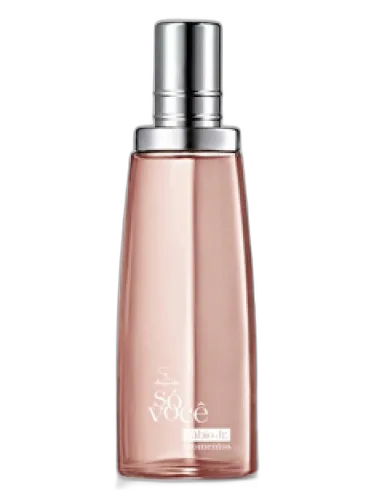
Jequiti
Só Você Fábio Jr. Momentos Jequiti
Shared top notes: bergamot, cassis, grapefruit
I Profumi di Firenze
Verde Bosco I Profumi Di Firenze
Shared top notes: grapefruit, mandarin orange
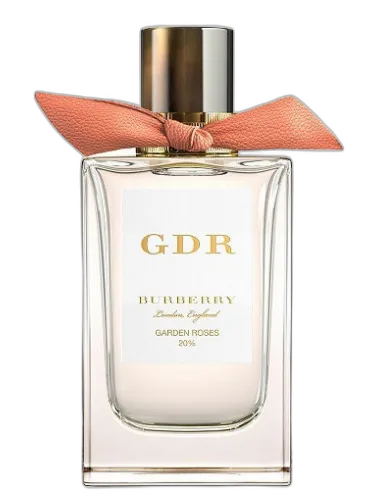
Burberry
Garden Roses Burberry
Shared top notes: bergamot, grapefruit

Thalia Sodi
Diamond Petals Thalia Sodi
Shared top notes: cassis, grapefruit, mandarin orange
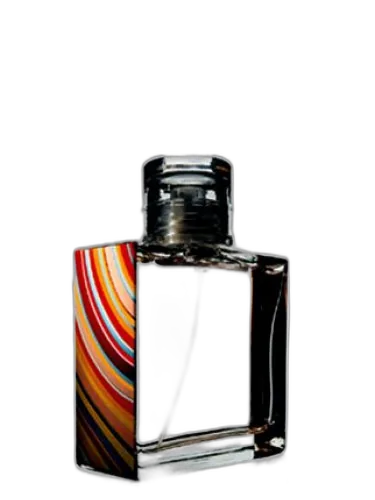
Paul Smith
Paul Smith Extreme Woman Paul Smith
Shared top notes: bergamot, mandarin orange