
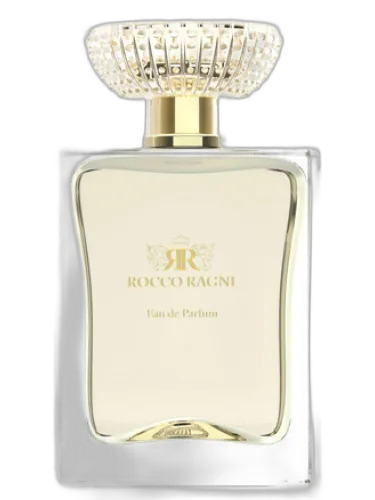
Cashmere Tuberose Rocco Ragni
At a glance
Is Cashmere Tuberose Rocco Ragni worth trying?
Cashmere Tuberose by Rocco Ragni is a Floral Fruity fragrance for women and men.
- Best match
- Evening, Special Occasion wear in Fall, Winter
- Performance feel
- Very Good longevity with Strong sillage
- Signature profile
- amber, warm spicy, powdery with Bergamot, Strawberry, Peach
The first impression
Cashmere Tuberose by Rocco Ragni is a Floral Fruity fragrance for women and men. Cashmere Tuberose was launched in 2017. The nose behind this fragrance is Arturetto Landi. Top notes are Bergamot, Strawberry, Peach, Coconut, Cardamom and Coriander; middle notes are Heliotrope, Geranium, Rose, Indian Tuberose and Jasmine; base notes are Benzoin, Sandalwood, Tolu Balsam, Labdanum, White Musk, Vanilla and Tonka Bean.
What shapes the scent
The perfumer behind it
Arturetto Landi
Arturetto Landi is an Italian perfumer known for his work with brands like Adjiumi and Al-Jazeera Perfumes. His style balances classic structure with bold contrasts, often blending rich resins with unexpected floral or gourmand notes. Notable creations include the complex 1918 Parfum National series and the intense, darkly sweet Adjiumi Incubo.
Notes pyramid
Top Notes
First impression · 15-30 min
 Bergamot
 Strawberry
 Peach
Peach
 Coconut
 Cardamom
 Coriander
Heart Notes
Core character · 2-4 hours
 Heliotrope
 Geranium
 Rose
Rose
 Indian Tuberose
 Jasmine
Base Notes
Lasting impression · 4+ hours
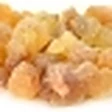 Benzoin
 Sandalwood
 Tolu Balsam
 Labdanum
White Musk
Labdanum
White Musk
 Vanilla
 Tonka Bean
The mood it creates
The Lover Archetype: Portrait of Cashmere Tuberose Rocco Ragni
Essence
To wear Cashmere Tuberose by Rocco Ragni is to embrace a paradox-a fragrance that is at once lush and restrained, opulent yet elusive. It is a scent for those who understand that beauty is not merely seen but felt, not just worn but wielded. The person who chooses this fragrance is no mere aesthete; they are an Enchantress, a figure who navigates the world with a blend of sensuality, mystery, and quiet power.
Style & Aesthetic
Their world is one of curated elegance-a balance between decadence and restraint. They favor textures that beg to be touched: cashmere, velvet, silk that whispers against skin. Their home is a sanctuary of muted tones and dramatic accents-deep greens, dusky roses, gilded mirrors that reflect only what they choose to reveal.
They are drawn to art that lingers in ambiguity-Baroque paintings where light and shadow wrestle, poetry that suggests rather than declares. Music is an intimate affair-perhaps the haunting melodies of Arvo Pärt or the sultry jazz of Chet Baker. They appreciate the spaces between notes as much as the notes themselves.
Philosophy & Values
They believe in the sacredness of beauty, not as vanity, but as a form of intelligence. To them, aesthetics are philosophy made tangible. They reject the notion that depth must be austere-why shouldn’t wisdom be draped in velvet?
Yet beneath this appreciation for the sensual lies a quiet rebellion against the mundane. They despise carelessness, in both thought and appearance. For them, every choice-from the way they stir their tea to the books they display-is a silent manifesto.
Relationships
They do not love carelessly. Their relationships are layered, like the fragrance they wear-initial warmth giving way to something deeper, more complex. They are not cruel, but they are selective. Some mistake their reserve for coldness, not realizing that their silence is a form of respect-they refuse to engage in shallow exchanges.
Romantically, they are drawn to those who understand the art of pursuit. They do not chase; they are the destination. Their love is not possessive, but it is intense-a slow-burning fire rather than a spark.
Shadow
Yet every archetype has its dark reflection. The Enchantress risks becoming the Illusionist-someone so adept at crafting allure that they lose themselves in the performance. There is a danger of mistaking mystery for depth, of substituting presence with persona.
At their worst, they may manipulate not out of malice, but out of habit-conditioned to believe that to be known is to lose power. They may grow impatient with those who cannot decipher their unspoken language, dismissing them as unworthy.
Their greatest challenge is to allow vulnerability without fearing it will diminish their magic. True enchantment, after all, is not about concealment-but about revealing just enough to make the hidden feel sacred.
Conclusion
To encounter the Cashmere Tuberose soul is to witness a rare alchemy-where beauty is not passive, but an active force. They remind us that elegance is not frivolous, that mystery is not deception, and that sometimes, the most profound truths are whispered, not shouted.
They walk through life as if it were a grand, half-lit gallery-knowing that the most captivating art is often found in the interplay of shadow and light.
If you like this, try these
Fragrances with a comparable profile - shared accords, notes, and character.
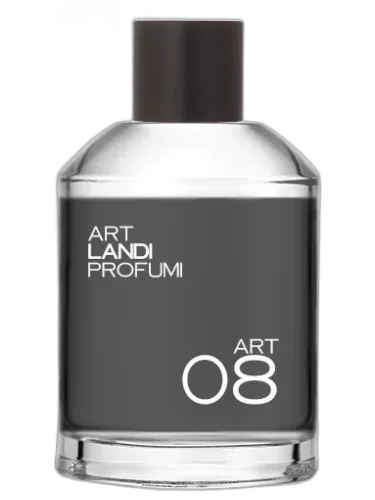
Profumi d'Art (Art Landi Profumi)
Art 08 Muschio Di Liatride Profumi D'art (art Landi Profumi)
Shared top notes: bergamot, cardamom, peach
BESTSELLER
Va Va Voom Bestseller
Shared top notes: bergamot, coconut, peach
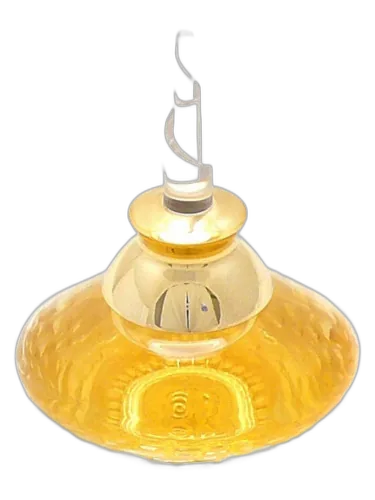
Shiseido
Angelique Shiseido
Shared top notes: bergamot, peach
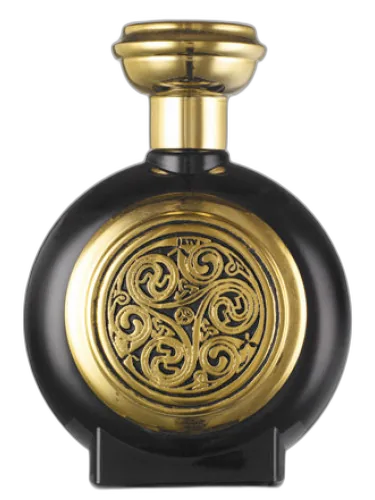
Boadicea the Victorious
Pride Boadicea The Victorious
Shared top notes: bergamot, cardamom, coriander
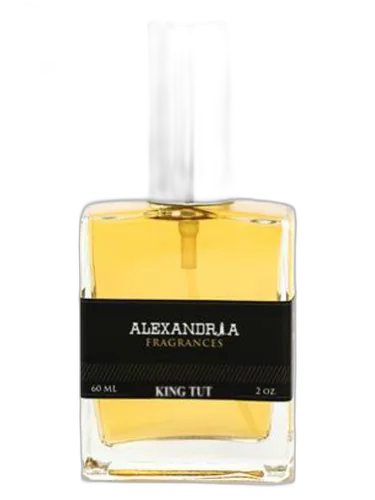
Alexandria Fragrances
King Tut Alexandria Fragrances
Shared top notes: bergamot