


Broken Bouquet Roelen
At a glance
Is Broken Bouquet Roelen worth trying?
Broken Bouquet by Roelen is a Chypre Floral fragrance for women and men.
- Best match
- Evening wear in Fall
- Performance feel
- Very Good longevity with Strong sillage
- Signature profile
- rose, caramel, aldehydic with Rose Oil, Aldehydes, Lemon Peel
The first impression
Broken Bouquet by Roelen is a Chypre Floral fragrance for women and men. Broken Bouquet was launched in 2020. The nose behind this fragrance is Dario Siegel. Top notes are Rose Oil, Aldehydes, Lemon Peel and Green Notes; middle notes are Wild Jasmine, Violet, Powdery Notes and Spices; base notes are Caramel, Agarwood (Oud), Burnt Match, Tonka Bean and Cedar.
What shapes the scent
The perfumer behind it

Dario Siegel
Dario Siegel is a German perfumer trained at Symrise, known for his work with independent and niche fragrance houses. His style often explores dark, conceptual contrasts, blending raw natural materials with synthetic edges to create unsettling beauty. For Roelen, he composed Broken Bouquet Roelen, a fragrance that deconstructs floral harmony into something fractured and haunting.
Notes pyramid
Top Notes
First impression · 15-30 min
 Rose Oil
 Aldehydes
Lemon Peel
Aldehydes
Lemon Peel
 Green Notes
Heart Notes
Core character · 2-4 hours
Wild Jasmine
 Violet
 Powdery Notes
Spices
Powdery Notes
Spices
Base Notes
Lasting impression · 4+ hours
 Caramel
 Agarwood (Oud)
 Burnt Match
 Tonka Bean
 Cedar
Cedar
The mood it creates
The Archetype Archetype: Portrait of Broken Bouquet Roelen
Essence
This is a soul who walks the line between beauty and decay, drawn to the melancholic elegance of a fragrance like Broken Bouquet Roelen-a scent that captures wilted petals, damp earth, and the ghost of something once radiant. Their dominant archetype is The Wounded Poet, a figure who finds meaning in the fractures of life rather than its seamless perfection. Like Orpheus descending into the underworld, they are compelled by the interplay of light and shadow, drawn to what is transient, imperfect, and deeply human.
Style & Aesthetic
Their taste is an ode to the bittersweet. They favor clothing that carries the weight of time-vintage silk blouses with faint stains, tailored coats frayed at the cuffs, jewelry tarnished just enough to suggest a history. Their home is a curated ruin: dried flowers in cracked vases, antique mirrors with mercury bleeding at the edges, books with dog-eared pages. They do not seek decay for its own sake, but because it speaks of life lived fully.
Music is never mere background noise; it is an emotional landscape. They are drawn to artists like Nick Cave, Leonard Cohen, or Mazzy Star-voices that know the weight of sorrow but refuse to surrender to it. In art, they prefer the muted drama of Caravaggio’s chiaroscuro or the dreamlike sorrow of Pre-Raphaelite paintings.
They are nocturnal creatures, most alive in the hours when the world quiets. Mornings are slow, evenings long. They write in journals with ink that smudges, drink black coffee or bitter herbal liqueurs, and keep odd hours. Work is either a passion or a necessary burden-they thrive in creative fields but wither under rigid structure. Routine feels like a cage, yet chaos exhausts them.
Their greatest strength is their capacity to see beauty in ruin. Their greatest flaw is the temptation to live as if life were already a memory.
Philosophy & Values
They believe in the sacredness of impermanence. Where others seek stability, they find truth in flux. Their philosophy is not nihilistic, but deeply romantic in the oldest sense-they see the world as a place where beauty and pain are inseparable. They value authenticity above all else, despising platitudes and superficial optimism. To them, suffering is not something to be cured but understood, a thread woven into the fabric of meaning.
Yet this perspective is not without its dangers. Their reverence for melancholy can tip into self-indulgence, a tendency to romanticize their own wounds rather than heal them. They may mistake suffering for depth, believing that only in sadness can one truly be alive.
Relationships
They love intensely but uneasily. Their relationships are marked by a paradoxical blend of deep emotional presence and a quiet detachment, as if part of them is always observing, always preserving the moment like a specimen in glass. They are drawn to people who carry their own scars, seeing in them a kindred fragility.
Yet intimacy is a double-edged sword. Their fear of banality makes them wary of conventional expressions of love-they resist the mundane rituals of partnership, sometimes leaving lovers feeling like characters in a story rather than equals in life. Their shadow emerges in moments of emotional withdrawal, when the poetry of longing becomes more appealing than the messiness of real connection.
Shadow
When unbalanced, The Wounded Poet becomes The Martyr of Melancholy-a figure who clings to sorrow as an identity. They may withdraw into self-imposed exile, mistaking isolation for wisdom. Their sensitivity, once a gift, turns into a weapon against themselves, and they begin to see happiness as something shallow, unworthy of their depth.
But when in harmony, they are alchemists of emotion, turning pain into something luminous. They remind others that broken things can still hold meaning, that a bouquet, even shattered, carries the memory of its bloom.
If you like this, try these
Fragrances with a comparable profile - shared accords, notes, and character.

Iberia - Иверия
Nana - Нана Iberia - Иверия
Shared top notes: aldehydes, green notes
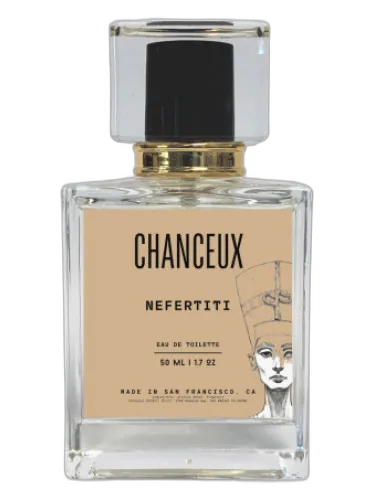
Chanceux Parfum
Nefertiti Chanceux Parfum
Shared heart notes: powdery notes, violet

Epicò
Don't Call Me Oud Epicò
Shared heart notes: violet
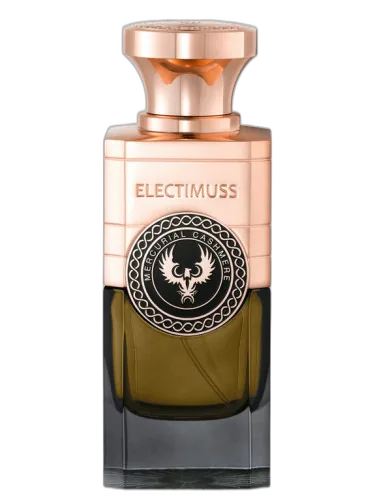
Electimuss
Mercurial Cashmere Electimuss
Shared heart notes: violet
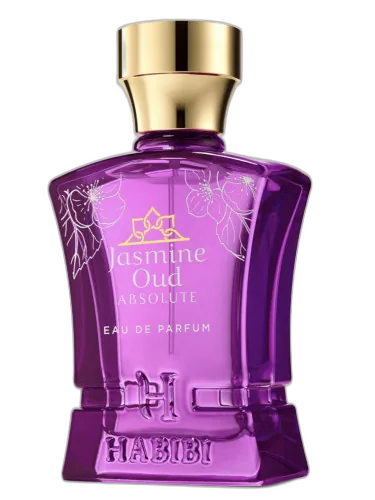
Habibi NY
Jasmine Oud Habibi Ny
Shared top notes: green notes