
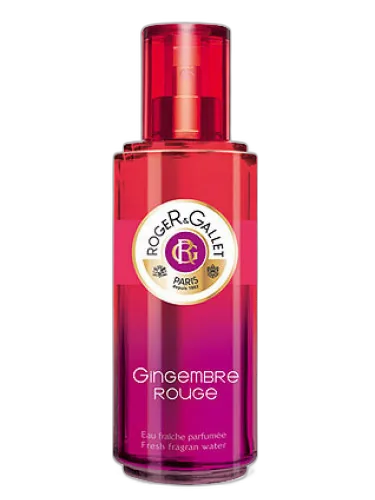
Gingembre Rouge Roger & Gallet
At a glance
Is Gingembre Rouge Roger & Gallet worth trying?
Gingembre Rouge by Roger & Gallet is a Floral Fruity fragrance for women.
- Best match
- Evening wear in Winter
- Performance feel
- Moderate longevity with Moderate sillage
- Signature profile
- fruity, woody, fresh spicy with Pomegranate, Ginger, Mandarin Orange
The first impression
Gingembre Rouge by Roger & Gallet is a Floral Fruity fragrance for women. Gingembre Rouge was launched in 2014. Gingembre Rouge was created by Amandine Clerc-Marie and Alberto Morillas. Top notes are Pomegranate, Ginger and Mandarin Orange; middle notes are Ginger flower, Litchi and Orange Blossom; base notes are White Musk, Cedar and Candied Ginger.
What shapes the scent
The perfumer behind it

Alberto Morillas
Alberto Morillas is a master perfumer based in Geneva, Switzerland, and a longtime collaborator with Firmenich. His style is known for refined, luminous compositions that balance natural elegance with modern clarity. He created the bold leather and spice of Amouage Opus VII - Reckless Leather, the fresh citrus depth of Acqua di Parma Colonia Intensa, and the woody warmth of Aedes de Venustas Palissandre D'or. His work has shaped contemporary perfumery across both niche and luxury houses.
Notes pyramid
Top Notes
First impression · 15-30 min
 Pomegranate
 Ginger
 Mandarin Orange
Heart Notes
Core character · 2-4 hours
 Ginger flower
 Litchi
 Orange Blossom
Base Notes
Lasting impression · 4+ hours
White Musk
 Cedar
Cedar
 Candied Ginger
The mood it creates
The Lover Archetype: Portrait of Gingembre Rouge Roger & Gallet
Essence
This person is an embodiment of the Alchemist-a seeker of transformation, a conjurer of warmth in a cold world. Like the ginger at the heart of their chosen fragrance, they are both fiery and comforting, capable of turning the mundane into the extraordinary. The Alchemist does not merely exist; they transmute experience, infusing life with richness and depth.
Gingembre Rouge-a blend of ginger, pomegranate, and vanilla-mirrors their essence: vibrant yet grounded, sensual yet refined. They are drawn to its balance of spice and sweetness, just as they seek equilibrium in their own life between passion and restraint.
Style & Aesthetic
Their style is luxurious without excess-a cashmere sweater in deep burgundy, a single bold ring, leather boots worn just enough to show character. They favor rich, earthy tones, but never garish ones. Like their fragrance, their aesthetic is spiced elegance-something that lingers in memory.
They appreciate craftsmanship, the slow artistry of handmade things. A well-bound journal, a hand-thrown ceramic mug, a tailored coat-these are not mere possessions but extensions of their identity. They disdain mass-produced sterility, for they know that true beauty lies in imperfection and history.
Philosophy & Values
Their philosophy is one of embodied intellect-a belief that wisdom is not merely abstract but must be felt, tasted, and lived. They reject cold rationality in favor of knowledge that thrums in the veins. For them, pleasure is not indulgence but a form of understanding.
They move through life with a quiet magnetism, drawn to textures, flavors, and scents that evoke warmth-cashmere scarves, amber-lit rooms, slow-cooked meals with saffron and cinnamon. Their home is a sanctuary of curated comfort: books with gilded spines, aged leather chairs, a spice rack that reads like an alchemist’s inventory.
Yet beneath this cultivated warmth lies a restlessness. The Alchemist is never fully satisfied, always seeking the next transformation-whether in love, career, or self. They are both the fire and the crucible, constantly refining themselves and their world.
Relationships
In love and friendship, they are both giver and enchanter. They draw people in with their warmth, their ability to make even ordinary moments feel significant. A shared meal becomes a ritual; a conversation, a revelation.
Yet their shadow emerges here: they can be manipulative in their charm, not out of malice but from a deep need to control how they are perceived. They fear being ordinary, and so they sometimes shape relationships into performances rather than surrendering to raw, unfiltered connection.
Their love language is tactile and sensory-lingering touches, home-cooked feasts, the gift of a perfectly chosen book. But they must guard against turning intimacy into another experiment in transformation, another thing to perfect rather than simply experience.
Shadow
The Alchemist’s greatest flaw is their resistance to chaos. They seek to distill life into something beautiful, but in doing so, they may sterilize its wildness. Their pursuit of perfection can become a cage, their warmth a carefully controlled flame rather than a roaring, untamed fire.
At their worst, they grow impatient with messiness-in others, in themselves, in life. They may dismiss raw emotion as inelegant, mistake spontaneity for disorder. The very alchemy that enriches their life can, if unchecked, calcify into dogma.
Conclusion
To fully embody the Alchemist, they must learn that true transformation requires surrender. Not every moment must be curated; not every feeling must be refined. Sometimes, the greatest magic lies in letting things burn untended, in allowing the ginger’s bite to overwhelm the vanilla’s sweetness.
They are at their best when they embrace both the spice and the syrup-when they recognize that life’s beauty lies not just in the alchemy of control but in the alchemy of release.
And so they continue, a figure of warmth in a world that often runs cold, their scent lingering like an invitation: Come, taste, transform.
If you like this, try these
Fragrances with a comparable profile - shared accords, notes, and character.
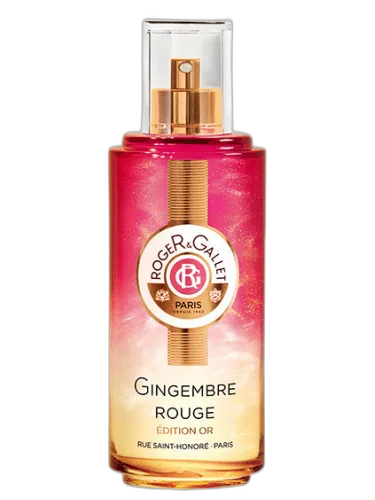
Roger & Gallet
Gingembre Rouge Edition Or Roger & Gallet
Shared top notes: ginger, mandarin orange, pomegranate
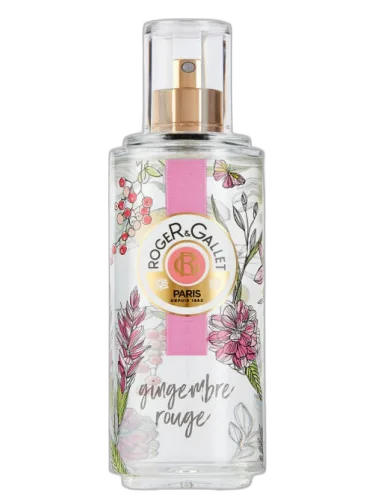
Roger & Gallet
Gingembre Rouge Limited Edition 2019 Roger & Gallet
Shared top notes: ginger, mandarin orange, pomegranate
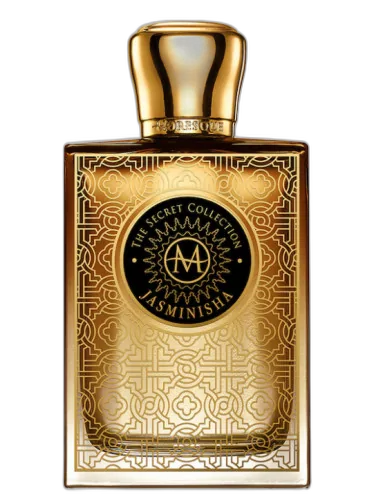
Moresque
Jasminisha Moresque
Shared top notes: ginger, mandarin orange

Kenzo
L'eau Par Kenzo Colors Pour Femme Kenzo
Shared top notes: ginger, mandarin orange
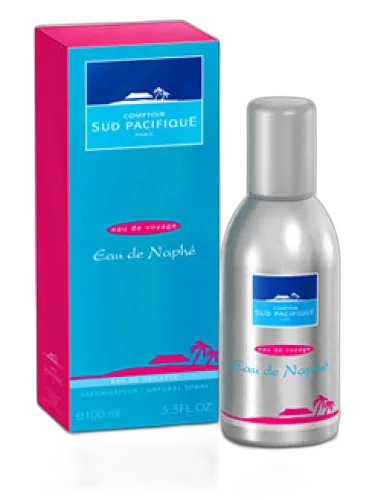
Comptoir Sud Pacifique
Eau De Naphe Comptoir Sud Pacifique
Shared heart notes: orange blossom