

Tubereuse Hédonie Roger & Gallet
Fragrance Story
Tubereuse Hédonie by Roger & Gallet is a Floral fragrance for women. Tubereuse Hédonie was launched in 2017. The nose behind this fragrance is Anne Flipo.
Composition Profile
About the Perfumer

Anne Flipo
Anne Flipo is a French perfumer and a master of delicate, luminous compositions, often working with IFF and known for her refined floral and woody accords. Her style balances transparency with depth, creating scents that feel both airy and substantial, as seen in the ethereal Pleine Lune and the sophisticated Serpent Bohème. Among her notable creations are the bold 212 Vip Black and the radiant Joyphoria, showcasing her versatility across modern and classic aesthetics.
Fragrance Notes
All Notes
Complete scent profile
 Tuberose
 Orange Blossom
 Jasmine
 Neroli
 Bergamot
 Ylang-Ylang
 elemi
elemi
 Petitgrain
 Celery
 Orange
 Lemon
Lemon
 Pink Pepper
Tubereuse Hédonie Roger & Gallet by Roger & Gallet offers a distinctive olfactory experience that stands out from other fragrances in its category.
Crafted with the finest ingredients and a blend of traditional and modern perfumery techniques, this fragrance represents the pinnacle of the perfumer's art.
Tubereuse Hédonie Roger & Gallet embodies the distinctive style of Roger & Gallet while adding a unique chapter to their fragrance portfolio.
Character Profile
The Lover Archetype: Portrait of Tubereuse Hédonie Roger & Gallet
Essence
This person is a modern embodiment of the Sensualist-an archetype that revels in the richness of experience, seeking beauty, pleasure, and depth in every sensation. The tuberose, with its intoxicating, almost narcotic floral sweetness, is their signature: a scent that is unapologetically lush, seductive, and alive. Like the flower itself, they are both radiant and overwhelming, drawing others in with their magnetism while occasionally suffocating with their intensity.
The Sensualist is not merely a pleasure-seeker but a philosopher of the senses. They do not indulge mindlessly; they savor, they contemplate, they elevate the ephemeral into something sacred. Yet, like all archetypes, theirs has a shadow-one that risks drowning in excess, losing itself in the pursuit of sensation rather than meaning.
Relationships
In love, they are both generous and demanding. They do not settle for lukewarm connections; they crave passion, intellectual and physical. Their relationships are immersive, charged with an almost theatrical intensity. They are the kind of lover who remembers how you take your coffee, who traces the curve of your spine with deliberate attention, who argues with you about philosophy at 2 a.m. just to feel the spark of friction.
But this depth comes at a cost. Their hunger for intensity can make them impatient with the mundane rhythms of long-term bonds. They may grow restless when the initial fire dims, mistaking stability for stagnation. Their shadow emerges when they seek novelty not out of curiosity, but out of a fear of emptiness-a fear that, beneath the perfume and poetry, there might be nothing substantial to hold onto.
Shadow
The Sensualist’s greatest danger is the slide into decadence without purpose. When their pursuit of beauty becomes compulsive, they risk becoming a connoisseur of surfaces, mistaking accumulation for fulfillment. They may grow weary, jaded-always chasing the next thrill, yet never satiated.
There is also a subtle tyranny in their aestheticism. They can be dismissive of those who do not share their refined tastes, mistaking simplicity for dullness. Their insistence on living "authentically" can, paradoxically, become its own kind of performance-one where they play the role of the enlightened hedonist, even as they wonder if they are merely performing for themselves.
Conclusion
Their world is one of deliberate aestheticism. They surround themselves with textures that beg to be touched-velvet cushions, silk scarves, the rough grain of aged paper in a well-loved book. Their home is a sanctuary of sensory indulgence: dim lighting that flatters, music that lingers in the air like perfume, meals that are not just eaten but experienced.
They are drawn to art that stirs something visceral-Caravaggio’s chiaroscuro, the decadent poetry of Baudelaire, the slow burn of a jazz saxophone solo. Their wardrobe is curated, not for trends but for how fabric feels against skin, how color alters mood. They might wear deep reds and blacks, not for drama, but because these hues resonate with their inner intensity.
Philosophically, they reject asceticism. To deny pleasure, to them, is to deny life. Yet they are not mere epicureans-they see indulgence as a form of wisdom, a way to commune with the present moment. Their mantra might be: To feel deeply is to live truly.
Similar Fragrances
Fragrances with a comparable profile - shared accords, notes, and character.
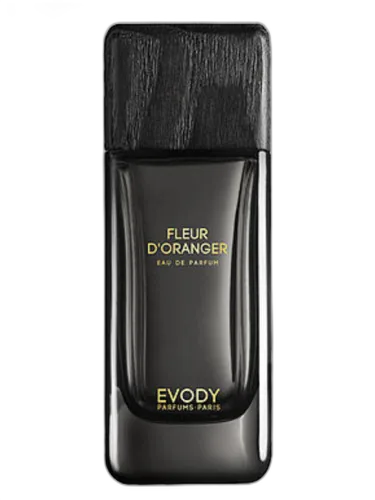
Evody Parfums
Fleur D'oranger Evody Parfums
Shared accords: aromatic, citrus, fresh spicy
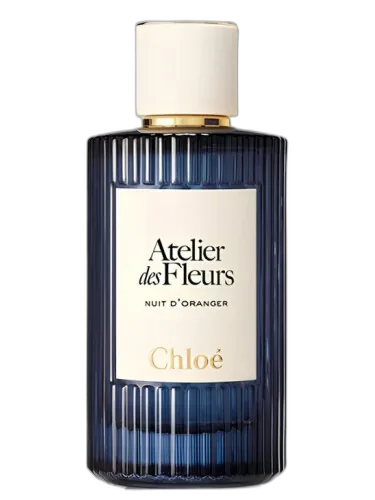
Chloé
Nuit D'oranger Chloé
Shared accords: aromatic, citrus, fresh spicy
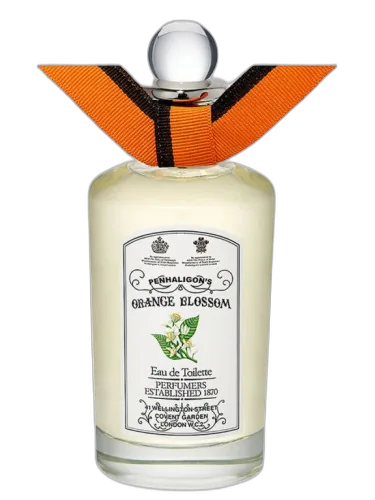
Penhaligon's
Orange Blossom Penhaligon's
Shared accords: aromatic, citrus, fresh spicy
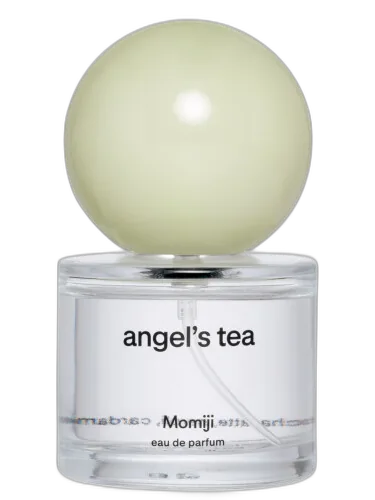
Momiji
Angel's Tea Momiji
Shared accords: aromatic, citrus, fresh spicy

Escada
Tender Light Escada
Shared accords: citrus, fresh spicy, green