


Elysium Pour Homme Eau Intense Roja Dove
At a glance
Is Elysium Pour Homme Eau Intense Roja Dove worth trying?
Elysium Pour Homme Eau Intense by Roja Dove is a Aromatic Fougere fragrance for men.
- Best match
- Evening wear in Any
- Performance feel
- Excellent longevity with Strong sillage
- Signature profile
- aromatic, citrus, fresh spicy with Rhubarb, Grapefruit, Lime
The first impression
Elysium Pour Homme Eau Intense by Roja Dove is a Aromatic Fougere fragrance for men. This is a new fragrance. Elysium Pour Homme Eau Intense was launched in 2023. The nose behind this fragrance is Roja Dove. Top notes are Rhubarb, Grapefruit, Lime, Bergamot, Artemisia, Musk, Lavender and Thyme; middle notes are Black Currant, Orange Blossom, Lily of the Valley, Apple, Jasmine, Tuberose and Rose de Mai; base notes are juniper berry, Vetiver, Musk, Dry Wood, Cedarwood, Galbanum, Black Pepper, Violet Leaf, Ambergris, Vanilla, Benzoin, Labdanum, Leather and Cypriol Oil or Nagarmotha.
What shapes the scent
The perfumer behind it

Roja Dove
Roja Dove is a renowned perfumer who has created fragrances for Belinda Brown, Puredistance, and his own brand Roja Dove. His works include Blessings Red, Pour Elle Et Lui, Puredistance M No. 03, 51 Pour Femme, 51 Pour Homme, A Goodnight Kiss, A Midsummer Dream, and Ahlam. Dove is celebrated for his luxurious and complex olfactory creations.
Notes pyramid
Top Notes
First impression · 15-30 min
 Rhubarb
 Grapefruit
 Lime
Lime
 Bergamot
 Artemisia
 Musk
Musk
 Lavender
 Thyme
Thyme
Heart Notes
Core character · 2-4 hours
 Black Currant
 Orange Blossom
 Lily of the Valley
 Apple
Apple
 Jasmine
 Tuberose
 Rose de Mai
Base Notes
Lasting impression · 4+ hours
juniper berry
 Vetiver
Musk
Vetiver
Musk
 Dry Wood
Cedarwood
Dry Wood
Cedarwood
 Galbanum
Black Pepper
Galbanum
Black Pepper
 Violet Leaf
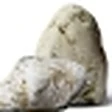 Ambergris
 Vanilla
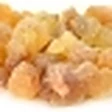 Benzoin
 Labdanum
 Leather
 Cypriol Oil or Nagarmotha
The mood it creates
The Sage Archetype: Portrait of Elysium Pour Homme Eau Intense Roja Dove
Essence
Elysium Pour Homme Eau Intense is a fragrance of paradox-crystalline yet deep, luminous yet shadowed. It opens with the brightness of citrus and bergamot, suggesting clarity and intellect, before unfolding into darker, woody depths, hinting at contemplation and mystery. The man who chooses this scent is drawn to its duality: it is refined without ostentation, complex without chaos, and timeless without nostalgia. He is not one for fleeting trends but seeks something that mirrors his inner world-a blend of intellectual rigor and aesthetic discernment.
This man is most closely aligned with the Sage, the Jungian archetype of wisdom, knowledge, and relentless inquiry. The Sage seeks truth above all else, valuing understanding over dogma, precision over sentiment. He is drawn to systems of thought-philosophy, science, art-that reveal the hidden structures of the world. Yet, unlike the rigid Scholar, his wisdom is not merely academic; it is lived, tested, and refined through experience.
His mind is his greatest asset, but it is also his burden. The Sage’s shadow emerges when his pursuit of knowledge becomes detachment, when analysis replaces action, and when his intellectual pride isolates him from the messiness of human emotion.
Relationships
He is not a man of shallow connections. His friendships are few but profound, built on mutual respect and intellectual sparring. He does not suffer fools gladly, yet he is not cruel-merely impatient with those who refuse to think deeply. In love, he is drawn to partners who match his intensity, who can engage in both debate and silence without discomfort. Yet his shadow emerges here: his analytical nature can make him emotionally distant, prone to overthinking intimacy rather than surrendering to it.
He is not cold, but he is guarded. His greatest fear is not failure but self-delusion-the idea that he might mistake comfort for truth. This can make him skeptical of love’s irrationality, and he may withdraw when emotions grow too turbulent.
Shadow
The Sage’s brilliance comes at a cost. His relentless pursuit of understanding can become a form of evasion-an intellectual fortress against vulnerability. He may rationalize his way out of emotional commitments, dismissing passion as irrational or love as a biological illusion. At his worst, he risks becoming the Recluse, so absorbed in his own mind that the world outside becomes an abstraction.
Yet, if he integrates his shadow, he learns that wisdom is not just in knowing but in feeling. The most profound truths are not always found in books but in the lived experience of joy, sorrow, and connection.
Conclusion
His tastes are deliberate, never accidental. In literature, he gravitates toward Nietzsche, Borges, or Pessoa-writers who dissect reality with a surgeon’s precision. In music, he prefers compositions that reward deep listening: the intricate counterpoint of Bach, the restrained intensity of Arvo Pärt, or the cerebral jazz of Miles Davis’ later years. His wardrobe is understated but exacting-tailored suits in muted tones, fine leather shoes, perhaps a vintage watch. He does not dress to impress but to embody his own standards of elegance.
His philosophy is one of self-overcoming-not in the sense of brute ambition, but in the refinement of character. He believes that wisdom is not given but earned, and that suffering, when examined, becomes a teacher. Stoicism appeals to him, but he rejects blind adherence to any school of thought. Instead, he synthesizes, questions, and refines.
If you like this, try these
Fragrances with a comparable profile - shared accords, notes, and character.
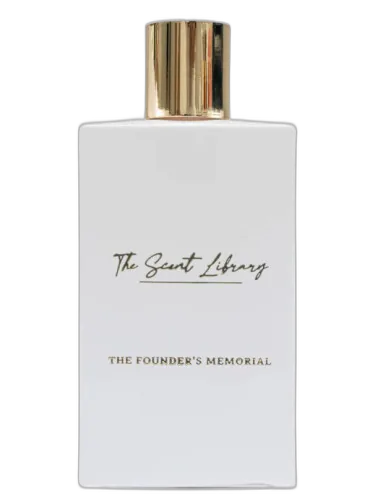
The Scent Library
The Founder's Memorial The Scent Library
Shared top notes: artemisia, bergamot, grapefruit

HeavenDuft
Radiant Heavenduft
Shared top notes: artemisia, bergamot, grapefruit
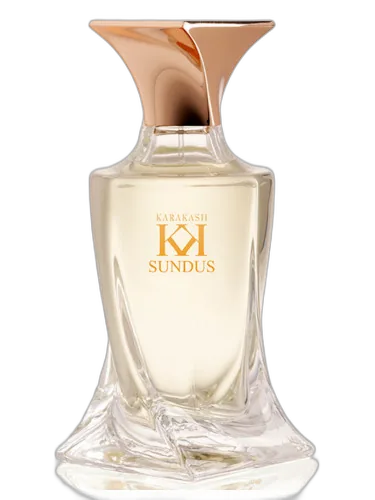
Karakash Perfume
Sundus Karakash Perfume
Shared top notes: artemisia, bergamot, grapefruit
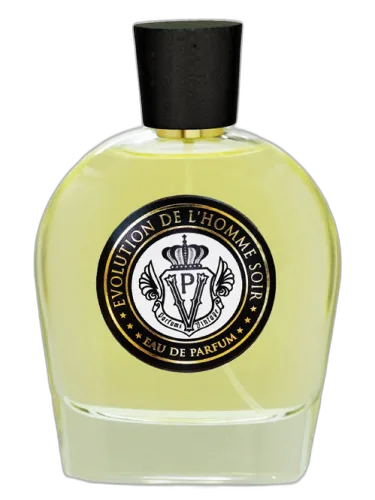
Parfums Vintage
Evolution De L'homme Soir Parfums Vintage
Shared top notes: artemisia, bergamot, grapefruit
Alexandria Fragrances
Zion Alexandria Fragrances
Shared top notes: artemisia, bergamot, grapefruit