
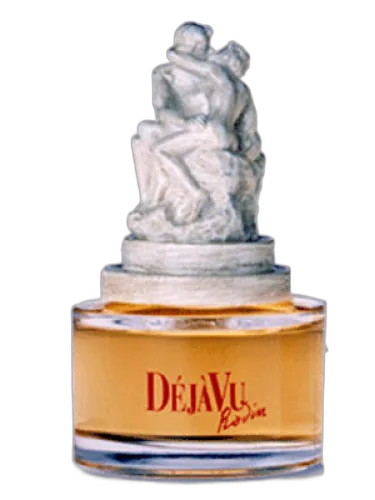

Deja Vu Rodin Rothenstein
At a glance
Is Deja Vu Rodin Rothenstein worth trying?
Deja Vu Rodin by Rothenstein is a Floral fragrance for women.
- Best match
- Evening wear in Fall
- Performance feel
- Excellent longevity with Strong sillage
- Signature profile
- floral, musky, fresh with Lilac, Musk, Bergamot
The first impression
Deja Vu Rodin by Rothenstein is a Floral fragrance for women. Deja Vu Rodin was launched in 1886. The nose behind this fragrance is Anne Flipo.
What shapes the scent
The perfumer behind it

Anne Flipo
Anne Flipo is a French perfumer and a master of delicate, luminous compositions, often working with IFF and known for her refined floral and woody accords. Her style balances transparency with depth, creating scents that feel both airy and substantial, as seen in the ethereal Pleine Lune and the sophisticated Serpent Bohème. Among her notable creations are the bold 212 Vip Black and the radiant Joyphoria, showcasing her versatility across modern and classic aesthetics.
Notes pyramid
All Notes
Complete scent profile
 Lilac
Lilac
 Musk
Musk
 Bergamot
 Ambergris
The mood it creates
The Lover Archetype: Portrait of Deja Vu Rodin Rothenstein
Essence
This is a person who does not merely wear fragrance-they inhabit it. Déjà Vu by Rodin Rothenstein is not a scent chosen lightly; it is an extension of their soul, a whispered secret between skin and memory. The fragrance itself-opulent, velvety, with the warmth of amber and the intrigue of dark florals-mirrors their inner world: sensual, nostalgic, and deeply attuned to beauty. They are, above all, The Lover-not in the trivial sense of romantic conquest, but in the Jungian archetype of one who seeks profound connection, intensity, and the sublime in all things.
Style & Aesthetic
Their surroundings are curated with deliberate elegance-a loft filled with vintage furniture, shelves lined with poetry and philosophy, a record player spinning Miles Davis or Nina Simone. They do not merely consume art; they dissolve into it. Their wardrobe is tactile: cashmere sweaters that feel like second skin, silk shirts that whisper when they move, leather boots worn just enough to suggest history. They are drawn to textures, to objects that carry weight, both literal and symbolic.
Their taste in food and drink is equally refined-a preference for bitter chocolate, smoky whiskey, figs that burst with honeyed sweetness. They savor meals as rituals, never rushing, always present. Even their coffee is an event: freshly ground, brewed in a Chemex, sipped slowly while watching morning light filter through gauzy curtains.
Philosophy & Values
For them, life is not about accumulation but immersion. They reject the shallow and the transient, seeking instead the eternal in fleeting moments. Their philosophy is a blend of romanticism and existentialism-they believe in love as a force of transcendence, yet they are acutely aware of its fragility.
They value authenticity above all. Superficial charm repels them; they crave conversations that unravel layers, that leave both parties slightly exposed. Their friendships are few but fierce, built on mutual recognition of depth. They are the confidant who listens with unwavering focus, the one who remembers the exact way you once phrased a heartbreak years ago.
Relationships
In love, they are both devotee and devourer. They love with a ferocity that can be overwhelming, a devotion that borders on obsession. When they are present, they are fully present-every glance, every touch, every word is charged with meaning. But this intensity has its shadow.
Their greatest fear is indifference. They would rather be hated than forgotten. This can lead to a possessive streak, an inability to let go gracefully. They linger in the echoes of past relationships, replaying conversations, dissecting silences. They are prone to nostalgia, sometimes to the point of self-sabotage-choosing the bittersweet ache of memory over the uncertain promise of the new.
Shadow
The Lover’s greatest strength is also their weakness: their relentless pursuit of the exquisite can blind them to the mundane beauty of ordinary life. They risk becoming prisoners of their own aesthetic, mistaking intensity for meaning. There are moments when their passion curdles into melodrama, when their longing for depth becomes a refusal to engage with anything less than perfection.
They may also struggle with hedonism-indulging in pleasure as a way to stave off existential dread. A third glass of wine too often, a flirtation that lingers too long, a purchase made not out of need but out of the hunger for another fleeting thrill.
Conclusion
To evolve, they must learn that not every love needs to be epic, not every moment needs to be profound. There is grace in the unremarkable, in the quiet companionship that asks nothing but presence. If they can loosen their grip on the ideal, they may find that life’s truest beauty lies in its imperfections-the cracks where the light gets in.
They will always be drawn to the intoxicating, the rare, the achingly beautiful. But the wisest version of themselves knows that sometimes, the most sacred thing is not the grand gesture, but the ordinary moment, fully lived.
If you like this, try these
Fragrances with a comparable profile - shared accords, notes, and character.
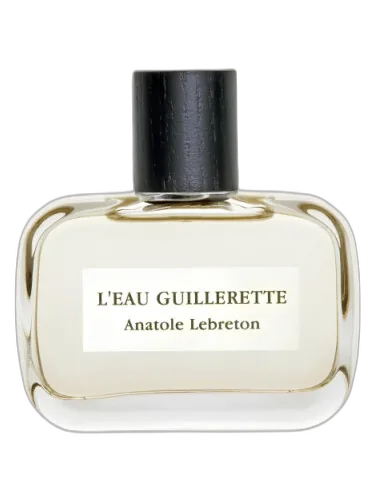
Anatole Lebreton
L'eau Guillerette Anatole Lebreton
Shared top notes: bergamot
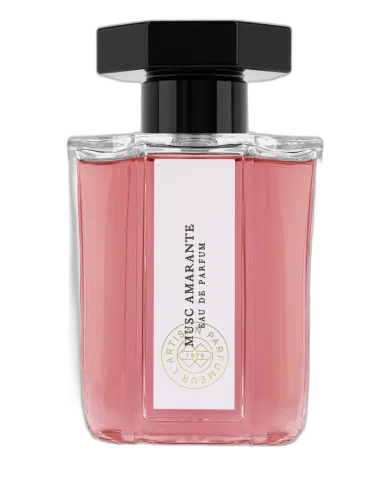
L'Artisan Parfumeur
Musc Amarante L'artisan Parfumeur
Shared top notes: bergamot, musk
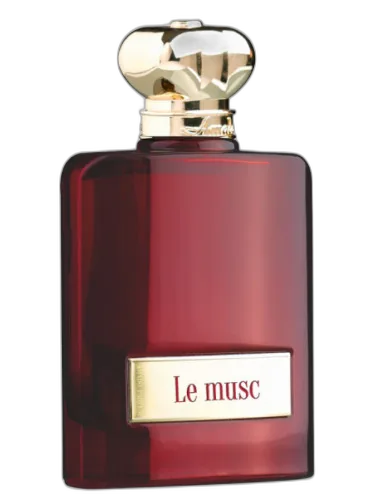
Amado
Le Musc Amado
Shared top notes: bergamot, musk
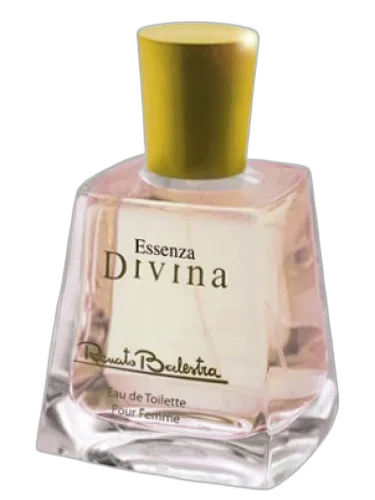
Renato Balestra
Fiori Di Essenza Divina Renato Balestra
Shared top notes: ambergris, bergamot
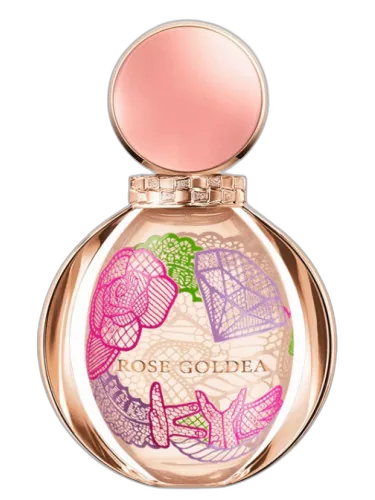
Bvlgari
Rose Goldea Kathleen Kye Edition Bvlgari
Shared top notes: bergamot, musk