
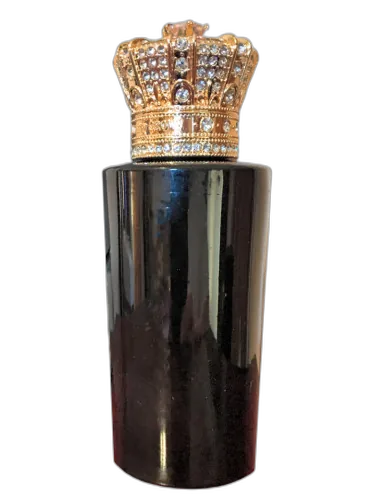

Azhar Royal Crown
At a glance
Is Azhar Royal Crown worth trying?
Azhar by Royal Crown is a fragrance for women and men.
- Best match
- Special Occasion wear in Spring
- Performance feel
- Good longevity with Moderate sillage
- Signature profile
- iris, rose, powdery with Rose, Tuscan Iris
The first impression
Azhar by Royal Crown is a fragrance for women and men. Azhar was launched in 2017. The nose behind this fragrance is Antonio Visconti.
What shapes the scent
The perfumer behind it

Antonio Visconti
Antonio Visconti is an Italian perfumer who creates fragrances under his own name. His collection includes Alhambra, Bal Masqué, Coeur De Vanille, Foliage, Glam Flower, Juicy Flower, La Divina Tubereuse, and Le Sens Du Plaisir. His style ranges from gourmand vanillas to floral and green compositions, often with a luxurious, romantic feel.
Notes pyramid
All Notes
Complete scent profile
 Rose
Rose
 Tuscan Iris
The mood it creates
The Sovereign Archetype: Portrait of Azhar Royal Crown
Essence
The one who favors Azhar Royal Crown is not merely drawn to fragrance-they are drawn to dominion. This scent, opulent and commanding, is the olfactory coronation of a personality ruled by the Sovereign archetype. They are the architect of their world, a figure who thrives on control, excellence, and the quiet assertion of authority. Yet, like all rulers, their throne is not without its burdens-hubris, rigidity, and the weight of expectation lurk in the shadows of their reign.
Style & Aesthetic
Their presence is deliberate, a carefully curated performance of power. They do not shout; they need not. The scent of Azhar Royal Crown-amber, oud, and spices-speaks for them, announcing their arrival before they enter a room. Their wardrobe is an extension of this philosophy: tailored, timeless, with an undercurrent of luxury that never veers into ostentation. A well-fitted blazer, a watch that tells more than time, shoes polished to a mirror finish-these are the insignia of their sovereignty.
They move through life with the measured grace of someone who understands that true power is not seized but cultivated. Their taste in art, music, and literature leans toward the classical, not out of nostalgia, but because they recognize the endurance of what has been refined over centuries. A Bach fugue, a Caravaggio painting, a line of Rilke-these are not mere preferences but affirmations of their belief in mastery.
Philosophy & Values
For them, chaos is not freedom but failure. Their philosophy is built on the conviction that structure elevates existence. They believe in discipline, not as self-denial, but as the highest form of self-respect. Their moral code is aristocratic in the Nietzschean sense-they do not seek equality but excellence, and they hold themselves to the same standard they demand of the world.
They are drawn to leadership roles not out of a hunger for dominance, but because they genuinely believe they can impose a better order. In business, they are the CEO who steers with vision rather than force. In friendships, they are the advisor whose counsel is sought precisely because it is unflinching. Their relationships are built on mutual respect, though they struggle with vulnerability-to reveal weakness is to risk the throne.
Shadow
Yet, no ruler is without flaw. Their strength-control-can curdle into rigidity. When challenged, they may respond not with adaptability but with cold dismissal, mistaking dissent for disloyalty. Their love of order can become intolerance for spontaneity, and their high standards may alienate those who cannot meet them.
The greatest danger lies in their isolation. To rule is to stand apart, and in their solitude, they may forget that even monarchs need allies. Their shadow is the tyrant-unyielding, imperious, blind to the fact that power, when unchecked, becomes its own prison.
Conclusion
Their lifestyle is one of deliberate choices. They do not indulge recklessly; every pleasure is earned, every luxury justified. They prefer a penthouse to a palace-modernity tempered with tradition. Their social circle is small but influential, a court of trusted confidants rather than a crowd of admirers.
Romantically, they seek a consort, not a subject-someone who understands their need for control but is strong enough to stand beside them, not beneath. Their love is fierce but demanding; they give loyalty but expect it in return, unwavering.
If you like this, try these
Fragrances with a comparable profile - shared accords, notes, and character.
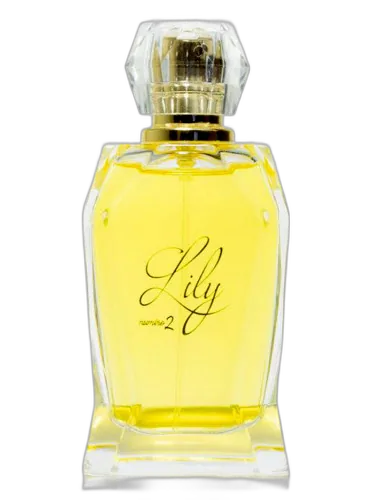
Liliana Deschamps
Lily Numero 2 Liliana Deschamps
Shared top notes: rose
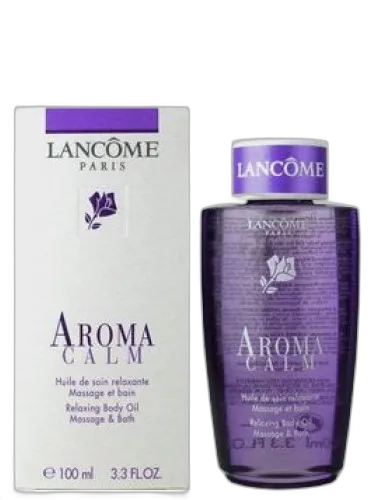
Lancôme
Aroma Calm Lancôme
Shared top notes: rose

Narciso Rodriguez
Essence Iridescent Narciso Rodriguez
Shared top notes: rose
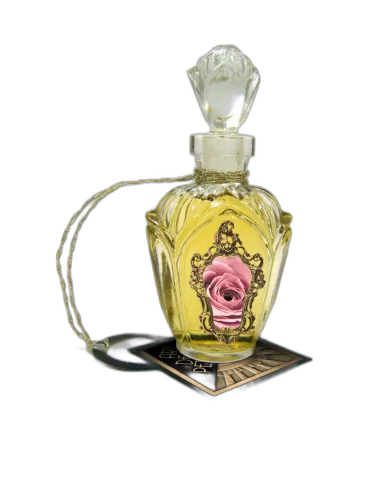
Art Deco Perfumes
Rose-rose Art Deco Perfumes
Shared top notes: rose

Edgardio Chilini
Red Queen Edgardio Chilini
Shared top notes: rose