
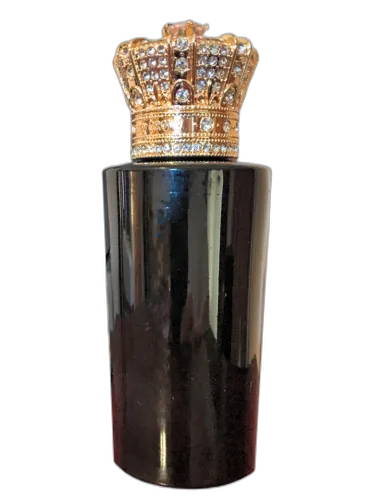

Azimuth Royal Crown
At a glance
Is Azimuth Royal Crown worth trying?
Azimuth by Royal Crown is a fragrance for women and men.
- Best match
- Evening wear in Fall, Winter
- Performance feel
- Good longevity with Strong sillage
- Signature profile
- amber, woody, balsamic with Woody Notes, Incense, Olibanum
The first impression
Azimuth by Royal Crown is a fragrance for women and men. Azimuth was launched in 2017. The nose behind this fragrance is Antonio Visconti.
What shapes the scent
The perfumer behind it

Antonio Visconti
Antonio Visconti is an Italian perfumer who creates fragrances under his own name. His collection includes Alhambra, Bal Masqué, Coeur De Vanille, Foliage, Glam Flower, Juicy Flower, La Divina Tubereuse, and Le Sens Du Plaisir. His style ranges from gourmand vanillas to floral and green compositions, often with a luxurious, romantic feel.
Notes pyramid
All Notes
Complete scent profile
 Woody Notes
 Incense
 Olibanum
 Resins
The mood it creates
The Sovereign Archetype: Portrait of Azimuth Royal Crown
Essence
To wear Azimuth Royal Crown is not merely to choose a fragrance-it is to don an invisible mantle of authority, a scent that whispers of power while demanding attention. This is the perfume of one who sees themselves as a ruler, not necessarily of nations, but of their own destiny. Their archetype is unmistakable: The Sovereign.
The Sovereign is the natural leader, the one who commands respect without overt force. They are the embodiment of control, dignity, and an unshakable belief in their own vision. Like kings and queens of old, they understand that true power is not in domination, but in the ability to inspire loyalty. Yet, as with all archetypes, the Sovereign has a shadow-a tendency toward arrogance, rigidity, and the dangerous illusion of infallibility.
Shadow
Yet power, even self-assumed power, is a burden. The Sovereign’s greatest flaw is their inability to relinquish control. They mistake flexibility for weakness, and their rigidity can calcify into stubbornness. Their disdain for incompetence sometimes borders on contempt, and they struggle to forgive mistakes-especially their own.
Their confidence, when unchecked, becomes hubris. They may dismiss dissenting voices, believing their judgment to be infallible. And when their authority is challenged, they do not adapt-they double down, retreating further into their self-constructed fortress of certainty.
Conclusion
Their tastes are deliberate, never accidental. They favor tailored suits in deep navy or charcoal, fabrics that drape rather than cling, and accessories that suggest heritage rather than trend. Their home is a curated space-dark wood, leather-bound books, perhaps a single bold painting that anchors the room. They do not clutter their life with excess; every object must justify its presence.
Philosophically, they believe in order, discipline, and the necessity of hierarchy. They are not cruel, but they are firm-they see chaos as the enemy of progress. Their values revolve around excellence, legacy, and the quiet confidence of one who knows their worth. They do not seek validation; they assume it.
In relationships, they are protective, even possessive. Their love is not effusive but steadfast, a slow-burning fire rather than a spark. They expect loyalty, and in return, they offer unwavering support-though always on their terms. Their friendships are few but deep, reserved for those who understand the unspoken rules of their world.
If you like this, try these
Fragrances with a comparable profile - shared accords, notes, and character.
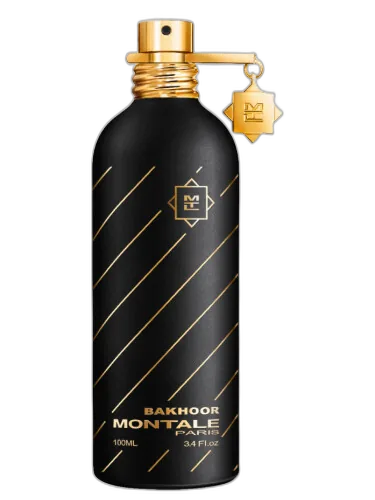
Montale
Bakhoor Montale
Shared top notes: incense, olibanum, woody notes
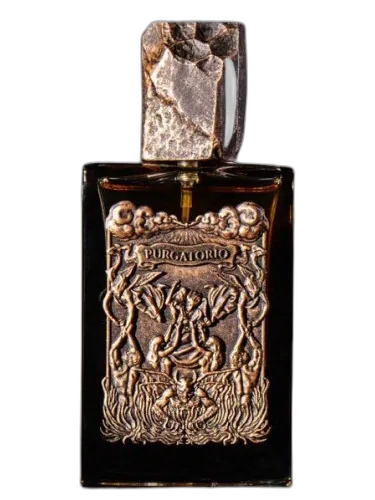
Tada Parfumeur
Purgatorio Tada Parfumeur
Shared top notes: incense, olibanum, resins

LabSolue
211 Olibanum Labsolue
Shared top notes: incense, olibanum, resins
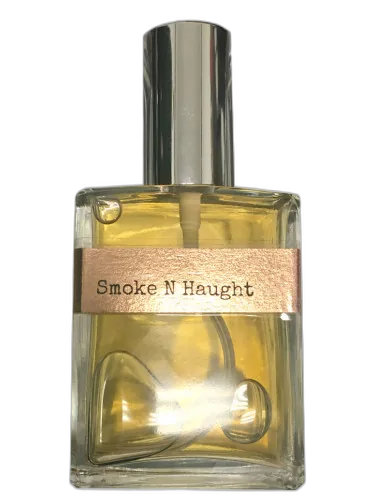
Haught Parfums
Smoke N Haught Haught Parfums
Shared top notes: incense, woody notes

Les Nez
Let Me Play The Lion Les Nez
Shared top notes: incense