
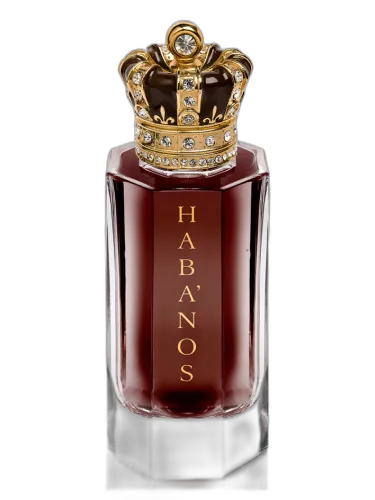

Habanos Royal Crown
At a glance
Is Habanos Royal Crown worth trying?
Habanos by Royal Crown is a Oriental Woody fragrance for men.
- Best match
- Evening wear in Fall
- Performance feel
- Very Good longevity with Strong sillage
- Signature profile
- tobacco, woody, powdery with Tobacco Leaf, Saffron, Ylang-Ylang
The first impression
Habanos by Royal Crown is a Oriental Woody fragrance for men. Habanos was launched in 2014. The nose behind this fragrance is Antonio Visconti. Top notes are Tobacco Leaf, Saffron and Ylang-Ylang; middle notes are Tobacco, Iris, Galbanum, Patchouli, Tuberose and Damask Rose; base notes are Tobacco, Sandalwood, Ambergris, Vanilla Absolute and Gray Musk.
What shapes the scent
The perfumer behind it

Antonio Visconti
Antonio Visconti is an Italian perfumer who creates fragrances under his own name. His collection includes Alhambra, Bal Masqué, Coeur De Vanille, Foliage, Glam Flower, Juicy Flower, La Divina Tubereuse, and Le Sens Du Plaisir. His style ranges from gourmand vanillas to floral and green compositions, often with a luxurious, romantic feel.
Notes pyramid
Top Notes
First impression · 15-30 min
 Tobacco Leaf
 Saffron
 Ylang-Ylang
Heart Notes
Core character · 2-4 hours
 Tobacco
 Iris
Iris
 Galbanum
 Patchouli
 Tuberose
Damask Rose
Tuberose
Damask Rose
Base Notes
Lasting impression · 4+ hours
Tobacco
 Sandalwood
 Ambergris
Vanilla Absolute
Gray Musk
Ambergris
Vanilla Absolute
Gray Musk
The mood it creates
The Sovereign Archetype: Portrait of Habanos Royal Crown
Essence
The person who favors Habanos Royal Crown is most closely aligned with the Ruler archetype-a figure of authority, control, and cultivated refinement. This is not the tyrant who dominates by force, but the sovereign who commands respect through presence, discernment, and an unshakable sense of self. The fragrance itself-rich, woody, with a hint of spice and tobacco-mirrors their essence: complex, layered, and unmistakably distinguished.
They are drawn to power, not in the crude sense of domination, but in the subtler mastery of influence, taste, and self-possession. They believe in order, hierarchy, and the quiet assertion of their will. Yet, like all archetypes, the Ruler has a shadow-rigidity, an aversion to vulnerability, and a tendency to see life as a series of negotiations rather than spontaneous connections.
Philosophy & Values
Their life is an exercise in deliberate living. Every choice-from the cut of their suit to the books on their shelf-is a statement of intent. They prefer the weight of tradition, not out of blind adherence, but because they see themselves as curators of excellence. Their philosophy is one of self-sovereignty: they do not seek permission, only refinement.
They are drawn to the classics-Cuban cigars, single-malt whiskey, tailored garments that whisper rather than shout. Their home is a sanctuary of understated luxury: dark woods, leather-bound volumes, perhaps a vintage globe or a well-worn chess set. They do not chase trends; they embody timelessness.
Yet, beneath this composed exterior lies a mind in constant motion. They are strategists, always three steps ahead, weighing risks and rewards. They believe in the power of patience-that true influence is not seized but cultivated.
Loyalty is their currency, but it is not given freely. They measure people by their competence, discretion, and ability to hold their own in conversation. Their inner circle is small, carefully vetted, and bound by unspoken codes of mutual respect.
In love, they are neither reckless romantics nor cold pragmatists-they seek a partner who understands the balance between passion and restraint. They do not surrender easily; vulnerability is a luxury they afford only to those who have earned it. Their relationships are built on intellectual sparring, shared ambition, and an appreciation for the finer things.
Yet, their shadow emerges in their reluctance to relinquish control. They may mistake dominance for strength, silence for wisdom. Their greatest fear is not failure, but irrelevance-the slow erosion of their influence.
Shadow
When unbalanced, the Ruler becomes the Tyrant. Their confidence curdles into arrogance; their discernment turns to disdain. They may dismiss dissent as ignorance, mistake flexibility for weakness. The very qualities that make them formidable-their precision, their high standards-can isolate them, leaving them surrounded by admirers but devoid of equals.
They must learn that true power is not just in command, but in the ability to yield-to recognize that even the most polished armor has its cracks.
Conclusion
To wear Habanos Royal Crown is to embody a paradox-the tension between control and surrender, between the throne and the human beneath the crown. This person is not merely playing a role; they are refining an art. Their life is a testament to the belief that power, when wielded with wisdom, is not just dominance-it is an aesthetic, a philosophy, a way of being.
And yet, the question lingers: Can they ever truly relax, ever let the world in without calculation? Or is their greatest strength also their most subtle prison?
If you like this, try these
Fragrances with a comparable profile - shared accords, notes, and character.
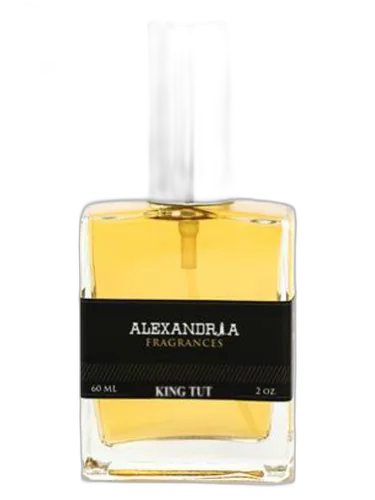
Alexandria Fragrances
King Tut Alexandria Fragrances
Shared heart notes: patchouli
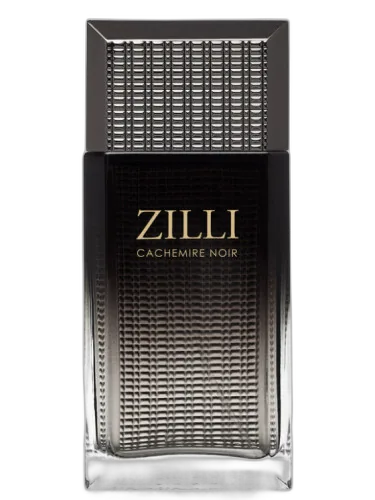
Zilli
Cachemire Noir Zilli
Shared top notes: ylang-ylang
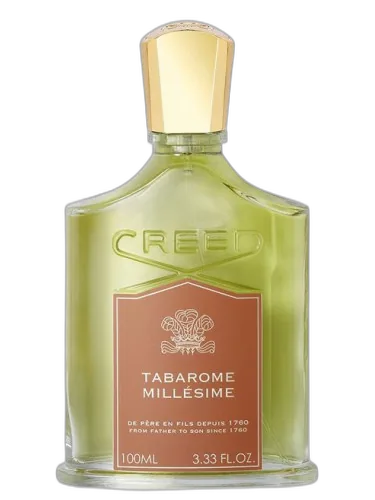
Creed
Tabarome Creed
Shared base notes: ambergris, sandalwood, tobacco
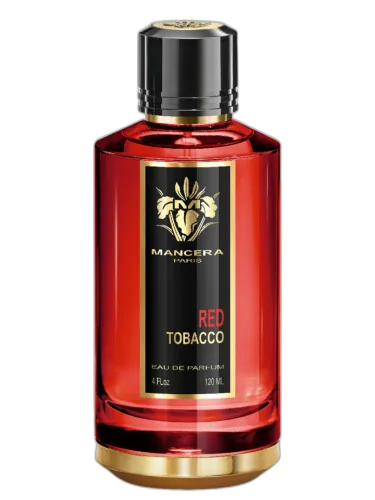
Mancera
Red Tobacco Mancera
Shared top notes: saffron
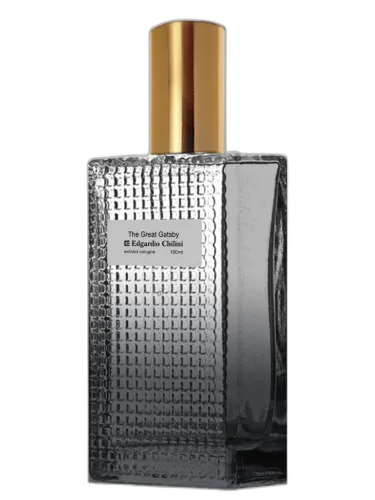
Edgardio Chilini
The Great Gatsby Edgardio Chilini
Shared top notes: saffron