
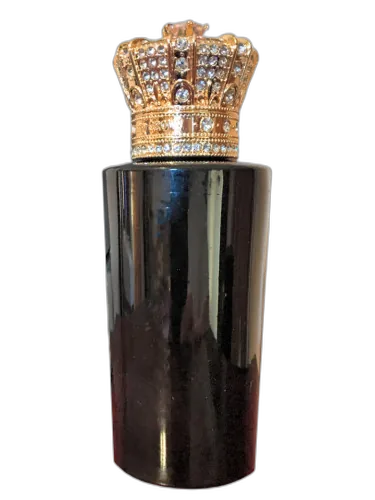

Narkao Royal Crown
At a glance
Is Narkao Royal Crown worth trying?
Narkao by Royal Crown is a fragrance for women and men.
- Best match
- Evening, Special Occasion wear in Fall, Winter
- Performance feel
- Very Good longevity with Strong sillage
- Signature profile
- vanilla, amber, powdery with Black Tea, Heliotrope, Almond
The first impression
Narkao by Royal Crown is a fragrance for women and men. Narkao was launched in 2017. The nose behind this fragrance is Antonio Visconti. Top notes are Black Tea, Heliotrope, Almond and Cinnamon; middle notes are Vanilla, Benzoin, Peach Blossom and Apricot; base notes are Vanilla, Ambergris, Castoreum and White Musk.
What shapes the scent
The perfumer behind it

Antonio Visconti
Antonio Visconti is an Italian perfumer who creates fragrances under his own name. His collection includes Alhambra, Bal Masqué, Coeur De Vanille, Foliage, Glam Flower, Juicy Flower, La Divina Tubereuse, and Le Sens Du Plaisir. His style ranges from gourmand vanillas to floral and green compositions, often with a luxurious, romantic feel.
Notes pyramid
Top Notes
First impression · 15-30 min
 Black Tea
 Heliotrope
 Almond
 Cinnamon
Heart Notes
Core character · 2-4 hours
 Vanilla
 Benzoin
 Peach Blossom
 Apricot
Base Notes
Lasting impression · 4+ hours
Vanilla
 Ambergris
 Castoreum
White Musk
Castoreum
White Musk
The mood it creates
The Sovereign Archetype: Portrait of Narkao Royal Crown
Essence
The person who wears Narkao Royal Crown is, above all, a sovereign of their own domain. They embody the Ruler archetype, a figure who commands presence, exudes authority, and seeks to impose order-whether in their personal life, career, or social sphere. This is not mere vanity; it is an assertion of control, a declaration that they are the architect of their fate. The Ruler thrives on structure, excellence, and influence, yet their shadow lurks in rigidity, pride, and an unspoken fear of losing dominion.
Shadow
Yet power is a double-edged sword. Their greatest strength-control-can become their prison. They fear vulnerability, seeing it as weakness, and may isolate themselves behind walls of their own making. Their standards, so exacting, can turn into tyranny, both toward themselves and others.
They may struggle with hubris, mistaking deference for genuine connection. Their relationships can become transactional, as they unconsciously measure people by their usefulness rather than their humanity. When challenged, they may respond not with curiosity, but with cold dismissal-a defense mechanism to preserve their sovereignty.
Conclusion
Their tastes are deliberate, never accidental. They favor opulence with restraint-dark tailored suits, polished leather, minimalist jewelry that whispers rather than shouts. Their home is an extension of their will: clean lines, rich textures, perhaps an antique desk where they conduct their affairs with the precision of a monarch signing decrees. They do not chase trends; they set them.
Philosophy is not an abstract exercise for them-it is a practical manifesto. They believe in hierarchy, not out of cruelty, but from a conviction that order elevates society. They admire Nietzsche’s will to power, though they temper it with a sense of responsibility. They see themselves as stewards of excellence, demanding the best from themselves and, often, from others.
If you like this, try these
Fragrances with a comparable profile - shared accords, notes, and character.
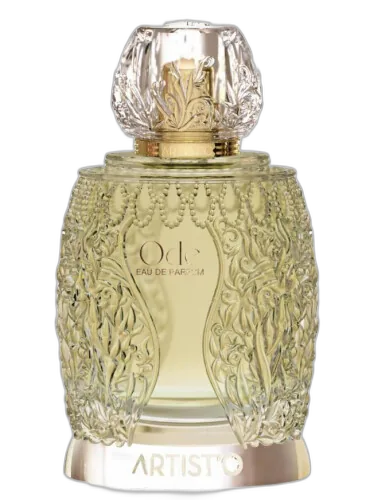
Artist'o
Ode Artist'o
Shared top notes: almond, cinnamon, heliotrope
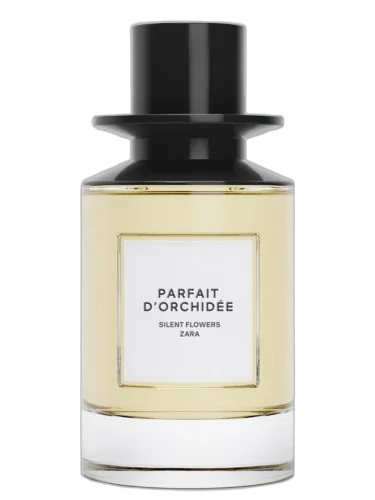
Zara
Parfait D'orchidee Zara
Shared heart notes: benzoin
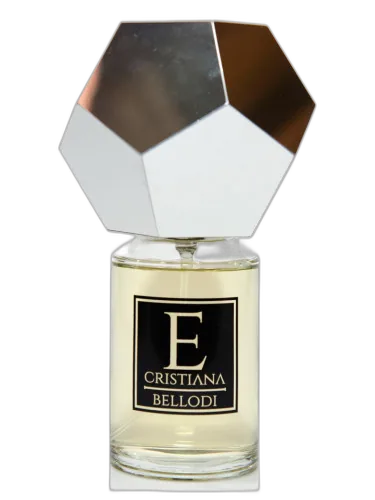
Cristiana Bellodi
E Cristiana Bellodi
Shared base notes: ambergris, vanilla, white musk

M8 Moods
Alloro M8 Moods
Shared top notes: cinnamon
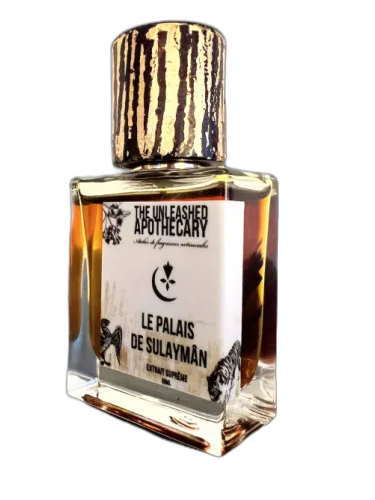
The Unleashed Apothecary
Le Palais De Sulaymân The Unleashed Apothecary
Shared heart notes: benzoin, vanilla