
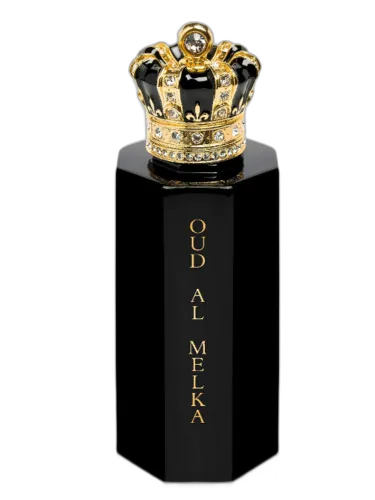

Oud Al Melka Royal Crown
At a glance
Is Oud Al Melka Royal Crown worth trying?
Oud Al Melka by Royal Crown is a Oriental Woody fragrance for women.
- Best match
- Evening, Special Occasion wear in Fall, Winter
- Performance feel
- Very Good longevity with Strong sillage
- Signature profile
- oud, aromatic, woody with Saffron, Sage, Cedar
The first impression
Oud Al Melka by Royal Crown is a Oriental Woody fragrance for women. Oud Al Melka was launched in 2016. The nose behind this fragrance is Antonio Visconti. Top notes are Saffron, Sage, Cedar, Juniper and Cardamom; middle notes are Ylang-Ylang, Moroccan Rose and Jasmine Sambac; base notes are Agarwood (Oud), Olibanum, Gray Musk, Musk, Tonka Bean and Labdanum.
What shapes the scent
The perfumer behind it

Antonio Visconti
Antonio Visconti is an Italian perfumer who creates fragrances under his own name. His collection includes Alhambra, Bal Masqué, Coeur De Vanille, Foliage, Glam Flower, Juicy Flower, La Divina Tubereuse, and Le Sens Du Plaisir. His style ranges from gourmand vanillas to floral and green compositions, often with a luxurious, romantic feel.
Notes pyramid
Top Notes
First impression · 15-30 min
 Saffron
 Sage
Sage
 Cedar
Cedar
 Juniper
 Cardamom
Heart Notes
Core character · 2-4 hours
 Ylang-Ylang
 Moroccan Rose
Jasmine Sambac
Moroccan Rose
Jasmine Sambac
Base Notes
Lasting impression · 4+ hours
 Agarwood (Oud)
Olibanum
Gray Musk
Agarwood (Oud)
Olibanum
Gray Musk
 Musk
Musk
 Tonka Bean
 Labdanum
The mood it creates
The Sovereign Archetype: Portrait of Oud Al Melka Royal Crown
Essence
This person is most closely aligned with the Ruler archetype, a figure of authority, control, and refined taste. The Ruler seeks order, excellence, and distinction, wielding influence with quiet confidence rather than brute force. Oud Al Melka Royal Crown-a fragrance of regal depth, smoky richness, and opulent warmth-mirrors their essence. It is not merely a scent but a statement, an olfactory coronation.
Shadow
Yet, power isolates. Their insistence on control can calcify into rigidity, their high standards into disdain for those who fall short. They may mistake authority for wisdom, forgetting that even kings must sometimes kneel. The same intensity that draws people in can, over time, push them away-few dare to challenge them, fewer still to truly know them.
Pride is their most dangerous flaw. They despise vulnerability, seeing it as weakness rather than humanity. They may grow impatient with those who cannot match their pace, dismissing nuance in favor of efficiency. The throne, after all, is a lonely seat.
Conclusion
Their tastes are deliberate, their style an unspoken manifesto. They favor tailored garments-dark silks, structured blazers, or minimalist yet imposing ensembles that command attention without begging for it. Their home is a sanctuary of understated luxury: polished wood, aged leather, perhaps a single bold artwork dominating a neutral wall. They do not clutter; they curate.
Philosophically, they believe in hierarchies-not of birthright, but of merit. They respect those who have earned their place, disdain those who coast on charm alone. Their values are rooted in discipline, legacy, and the quiet satisfaction of mastery. They are not impulsive; every decision is weighed, every action intentional.
If you like this, try these
Fragrances with a comparable profile - shared accords, notes, and character.
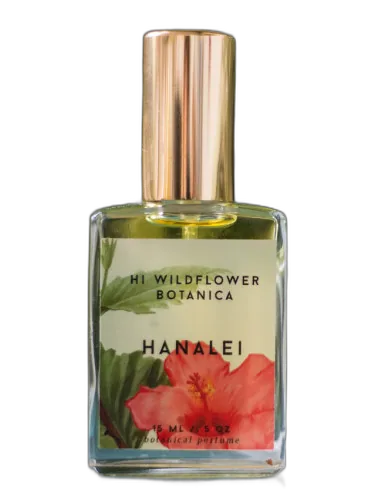
Hi Wildflower Botanica
Hanalei Hi Wildflower Botanica
Shared heart notes: jasmine sambac, moroccan rose, ylang-ylang
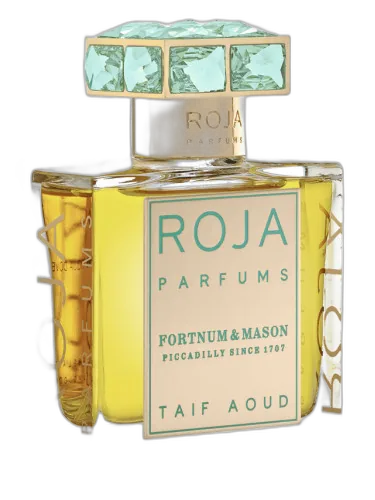
Roja Dove
Fortnum & Mason Taif Oud Roja Dove
Shared heart notes: ylang-ylang
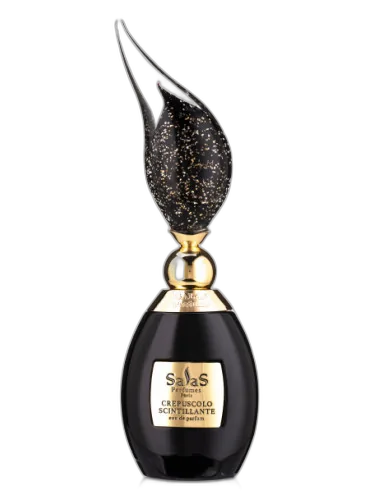
Salas
Crepuscolo Scintillante Salas
Shared top notes: cardamom, saffron
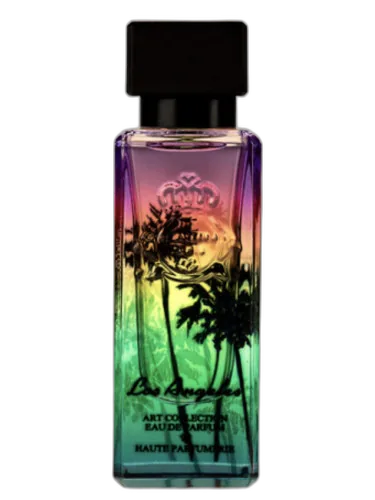
Al-Jazeera Perfumes
Los Angeles Al-jazeera Perfumes
Shared top notes: cardamom
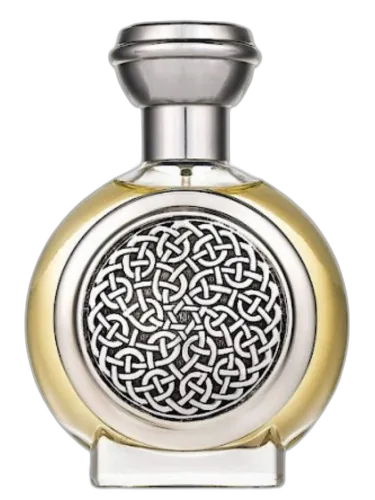
Boadicea the Victorious
Bodacious Boadicea The Victorious
Shared heart notes: jasmine sambac, moroccan rose