
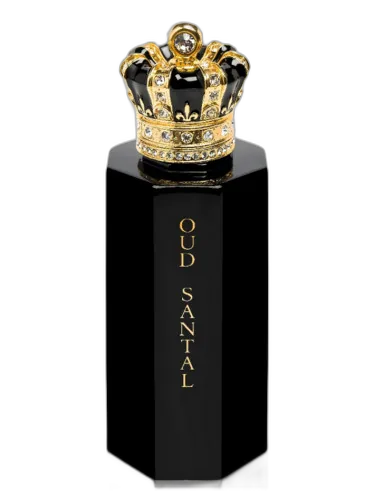

Oud Santal Royal Crown
At a glance
Is Oud Santal Royal Crown worth trying?
Oud Santal by Royal Crown is a Woody Spicy fragrance for women and men.
- Best match
- Evening, Special Occasion wear in Fall, Winter
- Performance feel
- Very Good longevity with Strong sillage
- Signature profile
- woody, powdery, iris with Sandalwood, Clary Sage, Styrax
The first impression
Oud Santal by Royal Crown is a Woody Spicy fragrance for women and men. Oud Santal was launched in 2016. The nose behind this fragrance is Antonio Visconti. Top notes are Sandalwood, Clary Sage, Styrax and Cumin; middle notes are Sandalwood, Tuscan Iris and Jasmine Sambac; base notes are Agarwood (Oud), Gurjan balsam, Vanilla Absolute, ebony tree and Gray Musk.
What shapes the scent
The perfumer behind it

Antonio Visconti
Antonio Visconti is an Italian perfumer who creates fragrances under his own name. His collection includes Alhambra, Bal Masqué, Coeur De Vanille, Foliage, Glam Flower, Juicy Flower, La Divina Tubereuse, and Le Sens Du Plaisir. His style ranges from gourmand vanillas to floral and green compositions, often with a luxurious, romantic feel.
Notes pyramid
Top Notes
First impression · 15-30 min
 Sandalwood
 Clary Sage
 Styrax
 Cumin
Cumin
Heart Notes
Core character · 2-4 hours
Sandalwood
 Tuscan Iris
Jasmine Sambac
Tuscan Iris
Jasmine Sambac
Base Notes
Lasting impression · 4+ hours
 Agarwood (Oud)
Gurjan balsam
Vanilla Absolute
ebony tree
Gray Musk
Agarwood (Oud)
Gurjan balsam
Vanilla Absolute
ebony tree
Gray Musk
The mood it creates
The Alchemist Archetype: Portrait of Oud Santal Royal Crown
Essence
To wear Oud Santal Royal Crown is to announce oneself as a being of depth and distinction-a soul who commands attention not through clamor, but through the quiet gravity of presence. This fragrance, with its regal fusion of oud’s mystique and sandalwood’s warmth, is not for the faint of spirit. It is the scent of a person who understands power-not as brute force, but as an art form, a carefully curated alchemy of strength and refinement.
At their core, this individual embodies The Ruler-an archetype of authority, mastery, and control. They are not merely content with existence; they seek to shape it, to impose order upon chaos, to leave an indelible mark upon the world. Their life is a testament to the belief that one’s environment should reflect one’s inner nobility. Yet, like all rulers, they walk a fine line between sovereignty and tyranny, between wisdom and hubris.
Style & Aesthetic
Their tastes are deliberate, almost ceremonial. They are drawn to the timeless-antique mahogany desks, tailored suits in deep hues, Persian rugs that whisper of history. Their home is a sanctuary of symmetry, where every object has its place, and disorder is an affront to their sensibilities. They may collect rare books, fine wines, or artifacts from distant lands, not for mere possession, but as extensions of their own cultivated identity.
In music, they favor complexity-Baroque concertos, jazz improvisations that bend but never break form, or the haunting minimalism of Arvo Pärt. They do not indulge in the ephemeral; they seek what endures.
Their days are structured, their ambitions vast. They may be a CEO, a master craftsman, a curator of art-whatever their vocation, it is never merely a job, but a manifestation of their will. They rise early, their mornings a ritual of precision: black coffee in a porcelain cup, a leather-bound journal, the deliberate selection of attire.
Yet, in their quest for perfection, they risk becoming prisoners of their own design. The shadow of The Ruler is the fear of losing control-anxiety lurks beneath their poise, and they may grow brittle under pressure, unable to adapt when life refuses to conform to their blueprint.
Philosophy & Values
They believe in the necessity of excellence-not as vanity, but as duty. To them, life is a grand tapestry, and they are its weaver. Their philosophy is one of intentional living: every action, every word, every choice must contribute to the larger design. They disdain carelessness, seeing it as a surrender to entropy.
Yet, this obsession with control can calcify into rigidity. They may mistake their own standards for universal law, growing impatient with those who do not share their discipline. Their shadow whispers that without their hand guiding the world, all would descend into chaos-a dangerous illusion of indispensability.
Relationships
In love and friendship, they are selective, even guarded. They do not suffer fools gladly, and their inner circle is small but fiercely loyal. They demand much from those they hold dear, but they give in equal measure-protection, wisdom, unwavering support. Their partners must be their equals, or at least possess the potential to become so.
Yet, their regal demeanor can become a gilded cage. They may struggle with vulnerability, fearing that to admit weakness is to relinquish power. Their loved ones may feel they are subjects rather than companions, always under scrutiny, always measured against an unspoken ideal.
Conclusion
The wearer of Oud Santal Royal Crown is both sovereign and servant-to their ideals, to their vision, to the relentless pursuit of something greater. Their strength lies in their ability to command reality; their weakness, in the belief that they must always do so.
To know them is to witness the paradox of power: the higher one ascends, the farther the fall. Yet, if they can learn to bend, to embrace the unpredictable, they may find that true mastery lies not in dominion, but in harmony.
If you like this, try these
Fragrances with a comparable profile - shared accords, notes, and character.
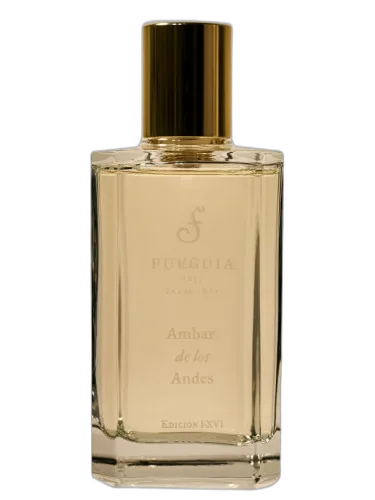
Fueguia 1833
Ambar De Los Andes Fueguia 1833
Shared heart notes: sandalwood
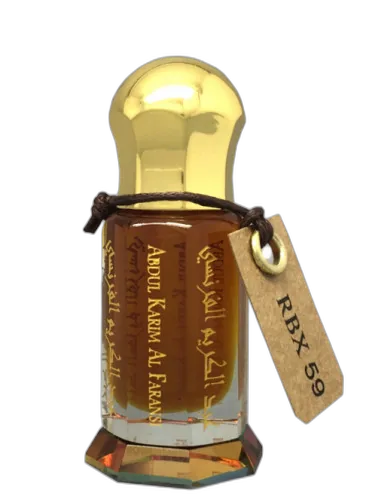
Abdul Karim Al Faransi
Rbx 59 Abdul Karim Al Faransi
Shared heart notes: sandalwood
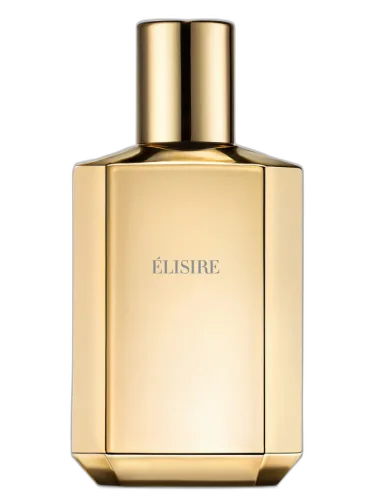
Elisire
Desired Elisire
Shared top notes: cumin
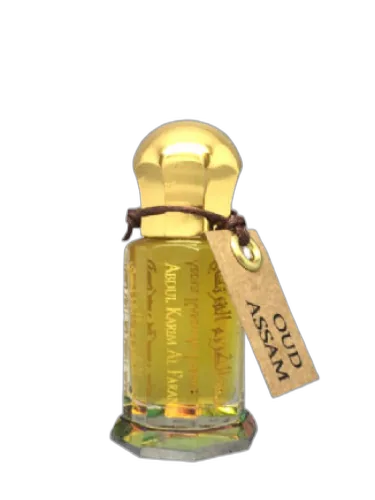
Abdul Karim Al Faransi
Oud Assam Abdul Karim Al Faransi
Shared heart notes: sandalwood
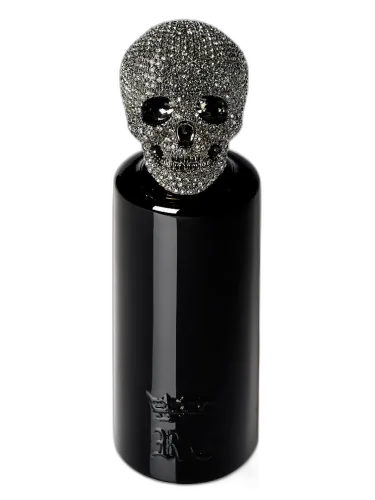
Royal Crown
Capture Royal Crown
Shared top notes: cumin, sandalwood, styrax