
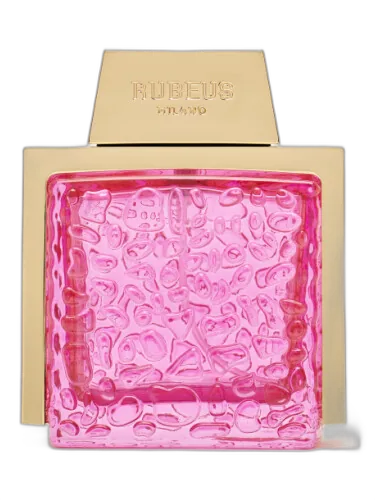
Rose Rubeus
At a glance
Is Rose Rubeus worth trying?
Rose by Rubeus is a Oriental Floral fragrance for women and men.
- Best match
- Evening wear in Fall
- Performance feel
- Very Good longevity with Strong sillage
- Signature profile
- rose, green, floral with Rose, Green Notes, Black Currant
The first impression
Rose by Rubeus is a Oriental Floral fragrance for women and men. This is a new fragrance. Rose was launched in 2024. The nose behind this fragrance is Christophe Raynaud. Top notes are Rose, Green Notes and Black Currant; middle notes are Rose, White Flowers and Peony; base notes are Rubber, Amber and Vanilla.
What shapes the scent
The perfumer behind it

Christophe Raynaud
Christophe Raynaud is a perfumer who has created fragrances for Alexander McQueen, Annayake, and Antonio Banderas. His works include Dark Papyrus, L'eau Pour Homme Intense Vetiver, and The Golden Secret. He also contributed to Art Meets Art with Besame Mucho and Sexual Healing, demonstrating a range from woody to sensual scents.
Notes pyramid
Top Notes
First impression · 15-30 min
 Rose
Rose
 Green Notes
 Black Currant
Heart Notes
Core character · 2-4 hours
Rose
 White Flowers
 Peony
Peony
Base Notes
Lasting impression · 4+ hours
 Rubber
 Amber
Amber
 Vanilla
The mood it creates
The Lover Archetype: Portrait of Rose Rubeus
Essence
To wear Rose Rubeus is to embrace the intoxicating duality of passion-both tender and fierce. This fragrance, with its deep crimson rose, velvety spices, and dark, honeyed undertones, belongs to one who is ruled by the Lover archetype. They are a creature of desire-not merely in the sensual sense, but in their relentless pursuit of beauty, connection, and meaning. Life, for them, is an aesthetic experience, a tapestry woven with rich emotions and vivid sensations.
They are drawn to the dramatic, the poetic, the decadent. Their presence is magnetic, not because they demand attention, but because they exude an unspoken promise-that to know them is to step into a world more vibrant, more alive, than the mundane reality most inhabit.
Style & Aesthetic
Their tastes are refined yet unapologetically indulgent. They prefer art that bleeds-Caravaggio’s chiaroscuro, the tragic romance of Wuthering Heights, the lush melancholy of a Chopin nocturne. Their wardrobe is a carefully curated blend of opulence and restraint: silk blouses, tailored velvet, deep jewel tones that whisper of hidden fires. They do not follow trends; they embody them, bending fashion to their will rather than the reverse.
Philosophically, they reject cold rationality in favor of emotional truth. They believe in the transformative power of love-not as a sentimental ideal, but as a force that can both exalt and destroy. Their values are rooted in authenticity, though their definition of it is fluid. To them, authenticity is not about moral purity, but about the courage to feel deeply, to embrace contradictions, to be fully human in a world that often demands restraint.
Shadow
Yet the Lover’s intensity is a double-edged sword. Their need for depth can become a hunger that is never sated, leading them to romanticize suffering, to mistake turbulence for passion. They may grow restless in stable relationships, craving the intoxication of new love, the thrill of emotional risk.
Their aesthetic idealism can also blind them to reality. They may dismiss practical concerns as vulgar, refusing to engage with life’s necessary mundanities until they are forced to-by financial strain, neglected responsibilities, or the consequences of their own impulsivity.
And then there is the danger of possession-not of others, but of being possessed by their own emotions. When wounded, they can become melodramatic, indulging in self-created tragedies rather than seeking resolution. Their shadow is the Martyr, the one who luxuriates in heartbreak, who mistakes pain for profundity.
Conclusion
To know them is to be both enchanted and exhausted. They burn brightly, but not always wisely. Yet even their flaws are born from an excess of life, not a lack of it. They are the ones who remind us that to be human is to feel-wildly, recklessly, beautifully.
And if they sometimes lose themselves in the labyrinth of their own heart, well-what is a labyrinth but a sacred space, a place where one might, after all, find something worth seeking?
If you like this, try these
Fragrances with a comparable profile - shared accords, notes, and character.
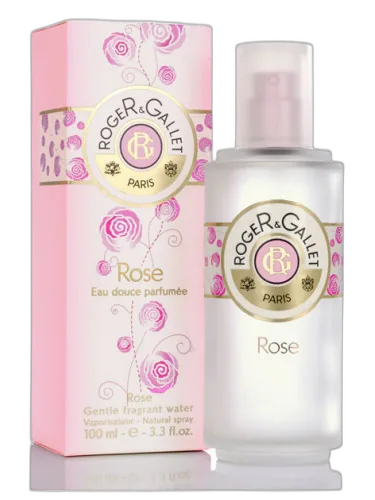
Roger & Gallet
Rose Roger & Gallet
Shared top notes: rose
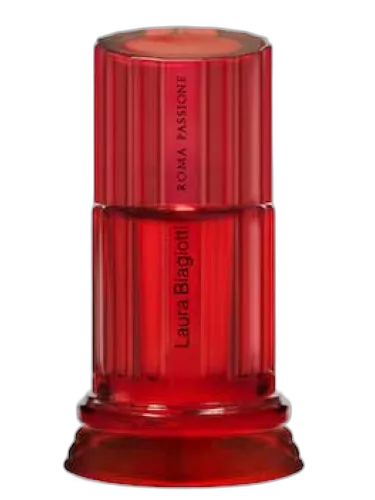
Laura Biagiotti
Roma Passione Laura Biagiotti
Shared top notes: black currant

By Kilian
Fun Things Always Happen After Sunset By Kilian
Shared top notes: black currant, green notes
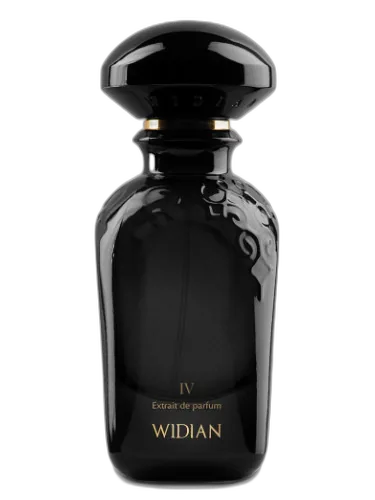
WIDIAN
Iv Widian
Shared top notes: black currant
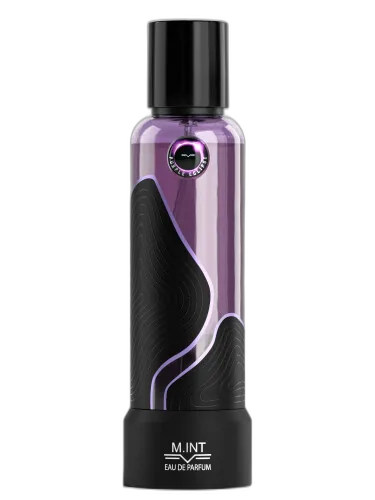
M.INT
Purple Eclipse M.int
Shared top notes: black currant, rose