
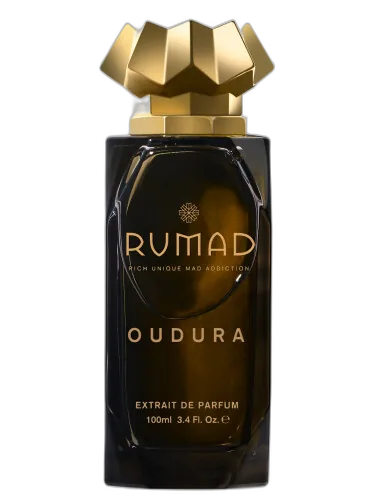

Oudura Rumad
At a glance
Is Oudura Rumad worth trying?
OUDURA by RUMAD is a Aromatic Fougere fragrance for women and men.
- Best match
- Evening wear in Fall, Winter
- Performance feel
- Very Good longevity with Strong sillage
- Signature profile
- lavender, citrus, oud with Lime, Saffron, Bergamot
The first impression
OUDURA by RUMAD is a Aromatic Fougere fragrance for women and men. This is a new fragrance. OUDURA was launched in 2024. The nose behind this fragrance is Arturetto Landi. Top notes are Lime, Saffron and Bergamot; middle notes are Lavender and Rose; base notes are Agarwood, Amber, Sandalwood, Patchouli, White Musk and Moss.
What shapes the scent
The perfumer behind it
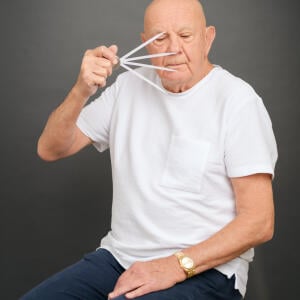
Arturetto Landi
Arturetto Landi is an Italian perfumer known for his work with brands like Adjiumi and Al-Jazeera Perfumes. His style balances classic structure with bold contrasts, often blending rich resins with unexpected floral or gourmand notes. Notable creations include the complex 1918 Parfum National series and the intense, darkly sweet Adjiumi Incubo.
Notes pyramid
Top Notes
First impression · 15-30 min
 Lime
Lime
 Saffron
 Bergamot
Heart Notes
Core character · 2-4 hours
 Lavender
 Rose
Rose
Base Notes
Lasting impression · 4+ hours
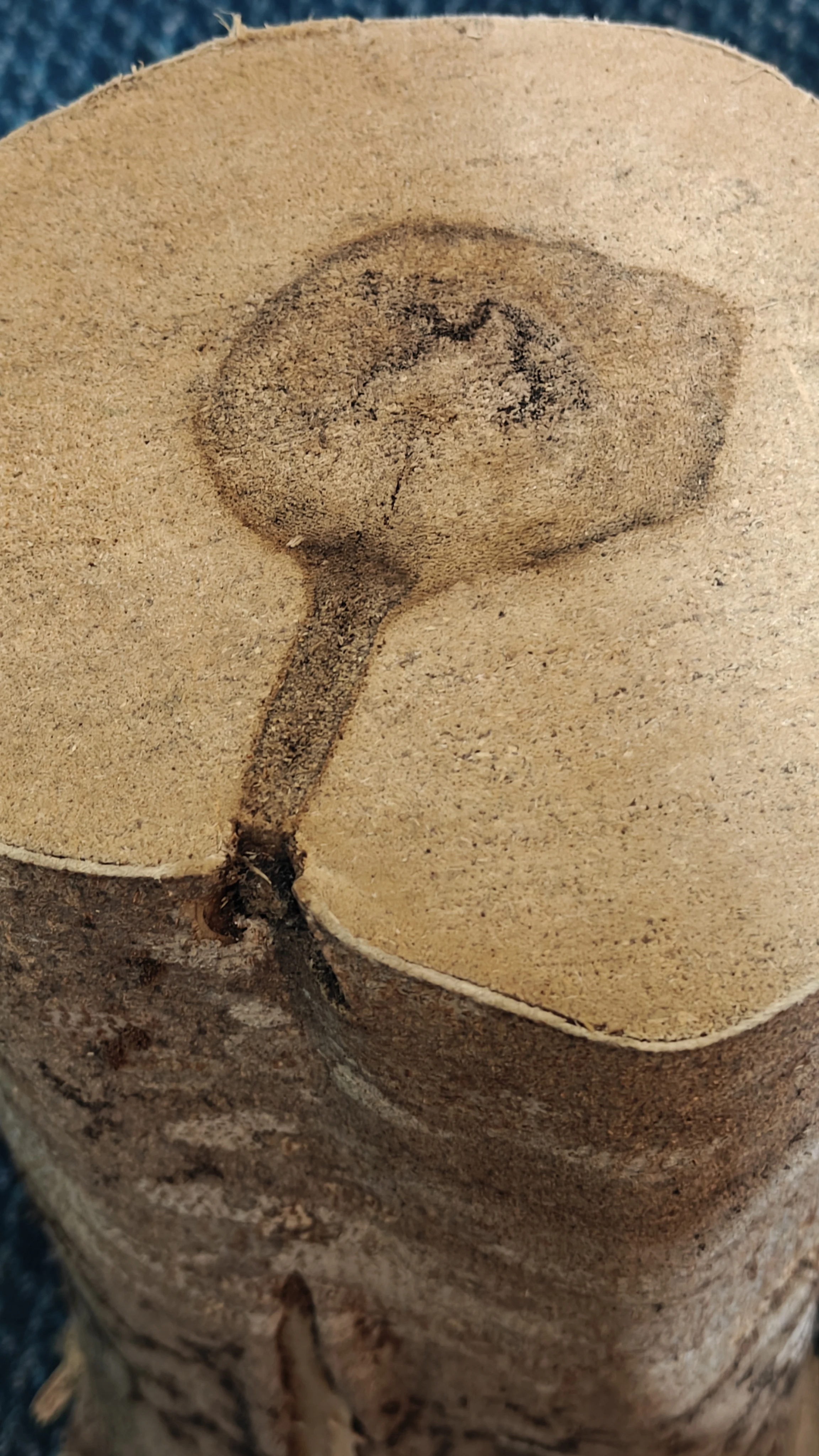 Agarwood
 Amber
Amber
 Sandalwood
 Patchouli
 White Musk
Moss
White Musk
Moss
The mood it creates
The Sage Archetype: Portrait of Oudura Rumad
Essence
The one who favors Oudura Rumad is, at their core, a Sage-an archetype defined by wisdom, introspection, and a relentless pursuit of truth. This fragrance, with its deep, resinous oud, smoky spices, and a whisper of leather, speaks to a mind that thrives in contemplation. Like the scent itself, they are layered, complex, and unafraid of darkness. They seek knowledge not for power, but for understanding, and their presence carries the weight of quiet authority.
Yet, the Sage is not merely a passive observer. They are drawn to the enigmatic, the esoteric-the things most people overlook. Oudura Rumad is not a fragrance for the frivolous; it demands attention, just as the Sage demands depth from life.
Relationships
The Sage is not a recluse, but their relationships are selective. They attract those who crave depth, yet they may unintentionally intimidate the shallow. Their closest bonds are with fellow seekers-those who can spar with ideas without taking offense. Romantic partners must be their equals in curiosity, or they will grow restless.
Yet, their love is not cold. Beneath the analytical exterior lies a fierce loyalty, a capacity for profound emotional insight. They may not express affection through grand gestures, but through shared silences, a well-chosen book, or a single sentence that cuts to the heart of a matter.
Shadow
But wisdom has its price. The Sage’s greatest flaw is detachment-the tendency to observe life rather than live it. They may retreat into their mind, mistaking understanding for experience. At worst, they become the Hermit, isolated in their own brilliance, disdainful of those who cannot keep pace.
Another shadow is intellectual pride. They may dismiss emotions as irrational or undervalue instinct, believing reason alone holds truth. This can make them seem cold, even arrogant, when in truth, they fear the chaos of unexamined feeling.
The Sage who wears Oudura Rumad is neither purely the enlightened mentor nor the aloof scholar. They are both. Their strength is in their depth; their weakness is in their reluctance to surrender to the messiness of life. Yet, when they learn to bridge wisdom and vulnerability, they become something rare-a guide who does not merely think, but knows.
They are the one who, after a long silence, offers a single sentence that changes everything. And then, like the fading trail of oud on skin, they leave you to ponder its meaning.
Conclusion
Their tastes are refined but never ostentatious. They prefer books with cracked spines and annotated margins over pristine bestsellers, wines with a history over those merely expensive. Their wardrobe leans toward timeless textures-wool, linen, aged leather-each piece chosen for its endurance rather than trend. They might collect rare manuscripts, antique maps, or obscure musical instruments, not as trophies but as fragments of human thought waiting to be deciphered.
Philosophically, they are drawn to Stoicism, Zen, or existentialism-systems that prize clarity over comfort. They do not believe in easy answers. Instead, they embrace paradox, understanding that wisdom often lies in holding contradictions without resolution. Their values are rooted in intellectual honesty; they despise dogma but respect rigor.
If you like this, try these
Fragrances with a comparable profile - shared accords, notes, and character.

A Lab on Fire
Liquidnight A Lab On Fire
Shared top notes: bergamot, lime, saffron
CZAR
Venom X Aslan Gülçiçek Czar
Shared top notes: bergamot
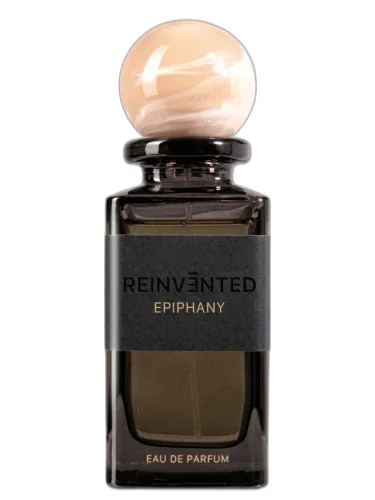
Reinvented
Epiphany Reinvented
Shared top notes: bergamot, lime, saffron
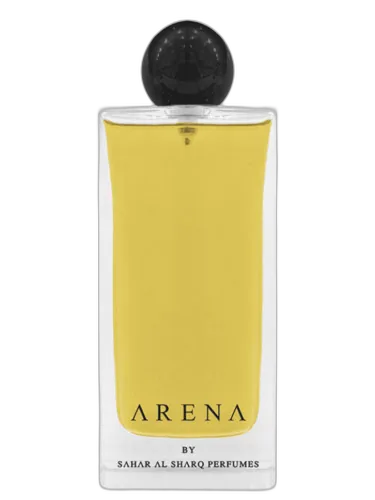
Sahar Al Sharq Perfumes
Arena Sahar Al Sharq Perfumes
Shared top notes: bergamot, saffron
The House Of Potentia
White Light The House Of Potentia
Shared top notes: bergamot