


03. Apr. 1968 Rundholz
At a glance
Is 03. Apr. 1968 Rundholz worth trying?
03.
- Best match
- Casual wear in Spring, Fall
- Performance feel
- Moderate longevity with Moderate sillage
- Signature profile
- amber, fresh spicy, powdery with Litchi, Heliotrope, Olibanum
The first impression
03. Apr. 1968 by Rundholz is a Oriental Floral fragrance for women and men. 03. Apr. 1968 was launched in 2012. The nose behind this fragrance is Arturetto Landi. Top note is Litchi; middle note is Heliotrope; base note is Olibanum.
What shapes the scent
The perfumer behind it

Arturetto Landi
Arturetto Landi is an Italian perfumer known for his work with brands like Adjiumi and Al-Jazeera Perfumes. His style balances classic structure with bold contrasts, often blending rich resins with unexpected floral or gourmand notes. Notable creations include the complex 1918 Parfum National series and the intense, darkly sweet Adjiumi Incubo.
Notes pyramid
Top Notes
First impression · 15-30 min
 Litchi
Heart Notes
Core character · 2-4 hours
 Heliotrope
Base Notes
Lasting impression · 4+ hours
 Olibanum
The mood it creates
The Archetype Archetype: Portrait of 03. Apr. 1968 Rundholz
Essence
The one who chooses 03. Apr. 1968 Rundholz as their fragrance is not merely selecting a scent-they are embracing an olfactory manifesto. This fragrance, with its smoky, leathery, and slightly burnt nuances, evokes rebellion, transformation, and a refusal to settle into the mundane. The dominant archetype here is The Seeker, the eternal wanderer who resists conformity and seeks meaning beyond the obvious.
The Seeker is driven by curiosity and a restlessness that refuses to be tamed. They are not content with the well-trodden path; they must carve their own. This fragrance, with its unconventional blend of fire and ash, leather and metal, speaks to someone who thrives on the edge of experience, always questioning, always moving.
Shadow
The Light: Courage, Depth, Vision
At their best, they are fearless explorers of existence. They inspire others to question, to break free from societal hypnosis. Their refusal to accept easy answers makes them profound thinkers, artists, or leaders. They see beauty in the unconventional and have an uncanny ability to find meaning in chaos.
The Shadow: Restlessness, Isolation, Dogmatism in Rebellion
Yet their strength can become their flaw. Their relentless seeking can turn into an inability to ever arrive-always chasing, never satisfied. Their disdain for convention can harden into a new kind of rigidity, where anything mainstream is dismissed without consideration. Their independence may isolate them, leaving them lonely even among admirers.
Conclusion
Tastes & Style
Their aesthetic is a paradox-both raw and refined. They might favor minimalist, utilitarian clothing with an edge: well-worn leather jackets, sturdy boots, perhaps a single piece of jewelry with personal significance. Their home is not cluttered, but neither is it sterile; books, records, and artifacts from travels suggest a mind in constant motion. They appreciate art that challenges, music that unsettles, films that leave questions unanswered.
Philosophy & Values
They reject dogma but are not nihilistic. Instead, they believe in self-creation, in the idea that meaning is not given but forged. They might quote Nietzsche: "One must still have chaos in oneself to be able to give birth to a dancing star." They value authenticity above all-hypocrisy is their greatest disdain. Their moral code is self-defined, often rigorous, sometimes unforgiving.
Relationships
They attract others with their intensity but struggle with permanence. Deep connections are possible, but only if the other person respects their need for independence. Romantic partners must understand that love, for them, is not possession but mutual exploration. Friendships are often intellectual, built on shared curiosity rather than mere proximity.
Lifestyle
They are drawn to experiences that test their limits-travel, solitude, perhaps even danger. Routine is their enemy; stagnation, their fear. They may change careers, cities, or passions frequently, not out of indecision but because they refuse to be confined.
If you like this, try these
Fragrances with a comparable profile - shared accords, notes, and character.
Hermès
Tutti Twilly D'hermès Hermès
Shared top notes: litchi
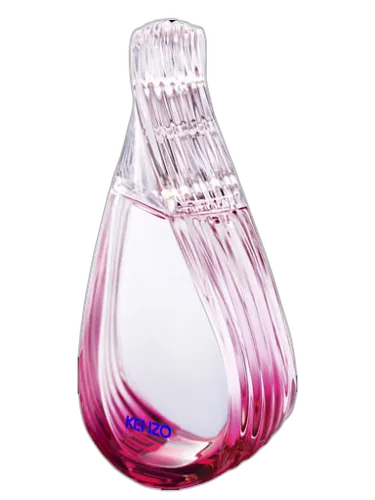
Kenzo
Madly Kenzo! Eau De Toilette Kenzo
Shared top notes: litchi

Swarovski
Aura Swarovski Eau De Toilette Swarovski
Shared top notes: litchi
Mavemade
Wunder Mavemade
Shared top notes: litchi
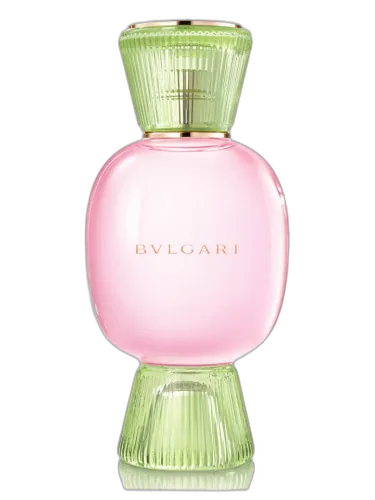
Bvlgari
Dolce Estasi Bvlgari
Shared heart notes: heliotrope