


Feb.14,1912 Rundholz
At a glance
Is Feb.14,1912 Rundholz worth trying?
FEB.14,1912 by Rundholz is a Woody Aromatic fragrance for women and men.
- Best match
- Evening wear in Spring
- Zodiac
- Best for Libra
- Performance feel
- Good longevity with Moderate sillage
- Signature profile
- soft spicy, anis, powdery with Licorice, Anise, Fennel
The first impression
FEB.14,1912 by Rundholz is a Woody Aromatic fragrance for women and men. The nose behind this fragrance is Arturetto Landi. Top notes are Licorice, Anise, Fennel, Milk, Bergamot and Orange; middle notes are Iris, Ambrette (Musk Mallow), Heliotrope, Carnation, Rose, Jasmine and Ylang-Ylang; base notes are Leather, White Musk, Tonka Bean and Cedar.
What shapes the scent
The perfumer behind it

Arturetto Landi
Arturetto Landi is an Italian perfumer known for his work with brands like Adjiumi and Al-Jazeera Perfumes. His style balances classic structure with bold contrasts, often blending rich resins with unexpected floral or gourmand notes. Notable creations include the complex 1918 Parfum National series and the intense, darkly sweet Adjiumi Incubo.
Notes pyramid
Top Notes
First impression · 15-30 min
 Licorice
 Anise
Anise
 Fennel
 Milk
Milk
 Bergamot
 Orange
Heart Notes
Core character · 2-4 hours
 Iris
Iris
 Ambrette (Musk Mallow)
 Heliotrope
 Carnation
 Rose
Rose
 Jasmine
 Ylang-Ylang
Base Notes
Lasting impression · 4+ hours
 Leather
 White Musk
 Tonka Bean
 Cedar
Cedar
The mood it creates
The Lover Archetype: Portrait of Feb.14,1912 Rundholz
Essence
To wear Feb.14,1912 by Rundholz is to embrace contradiction-a fragrance that melds the metallic chill of industrialism with the warmth of human longing. It is not a scent for those who seek comfort in the familiar, but for those who find beauty in the tension between destruction and creation. The person who chooses this fragrance is an enigma, a seeker of intensity, a modern-day Alchemist-the archetype that best defines them.
Shadow
Yet the Alchemist’s gift is also their curse. Their relentless pursuit of transformation can become a kind of self-annihilation. They may grow addicted to intensity, mistaking pain for wisdom, chaos for authenticity. Relationships can suffer-they demand too much, or withdraw into solitude, convinced that no one else can match their depth.
There is a coldness beneath their passion, a detachment that surfaces when they feel betrayed or misunderstood. They are capable of cutting people out with surgical precision, justifying it as necessary for their own evolution. At their worst, they become the very thing they sought to transcend: a prisoner of their own mythos, mistaking suffering for enlightenment.
Conclusion
The Alchemist is one who transmutes base experience into gold, who sees the world not as it is, but as it could be. This person is drawn to the obscure, the poetic, the unfinished. Their tastes are refined but never conventional: they might collect antique medical instruments, read esoteric philosophy, or haunt abandoned buildings, finding in decay a kind of sacred geometry. Their style is deliberate-structured yet fluid, often favoring dark, layered textures that suggest both armor and vulnerability.
They are not content with surface pleasures. Their philosophy is one of depth, of mining the self for hidden truths. They believe in the necessity of suffering for transformation, in the idea that one must first dissolve before being remade. This makes them magnetic, even dangerous-they do not flinch from the abyss, and they challenge others to do the same.
If you like this, try these
Fragrances with a comparable profile - shared accords, notes, and character.

Courrèges
La Fille De L'air Iris Courrèges
Shared top notes: bergamot

Avery
E Avery
Shared heart notes: iris, jasmine, rose

Profumi d'Art X Armaf
Art 12 - Per Me Ma Profumi D'art X Armaf
Shared top notes: bergamot, milk
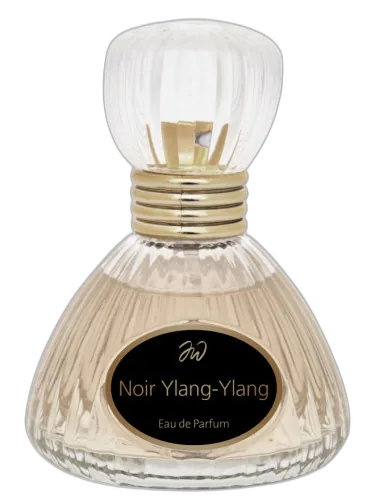
Judith Williams
Noir Ylang Ylang Judith Williams
Shared heart notes: iris, jasmine, rose
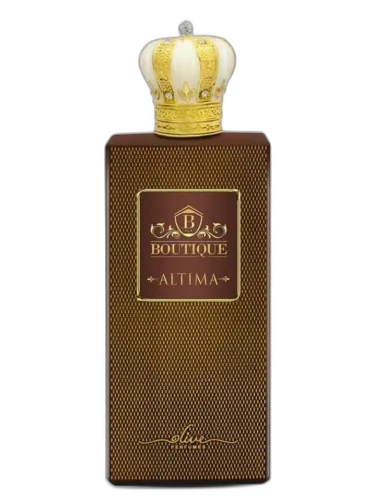
Olive Perfumes
Altima Gold Olive Perfumes
Shared top notes: bergamot, orange