
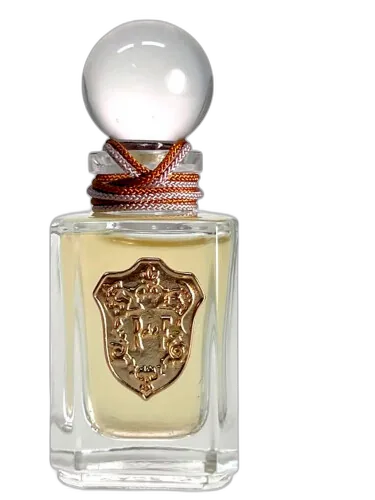
Fauna Régime Des Fleurs
Fragrance Story
Fauna by Régime des Fleurs is a Oriental Spicy fragrance for women and men. Fauna was launched in 2015. Fauna was created by Ezra Woods and Alia Raza.
Composition Profile
About the Perfumer

Alia Raza
Alia Raza is a perfumer and co-founder of the New York-based niche fragrance house Régime des Fleurs. Her olfactory style is known for blending natural and synthetic notes to create evocative, often floral-forward compositions with a modern edge. Notable creations from the brand include Bel Epoq, Blood Spider Orchids, and Chloë Sevigny Little Flower, each reflecting her ability to capture mood and memory through scent.
Fragrance Notes
All Notes
Complete scent profile
 Sumac
Sumac
 Castoreum
.jpg) Agarwood (Oud)
Agarwood (Oud)
 Saffron
 Petitgrain
 Bergamot
 White Musk
 Coffee blossom
 Floral Notes
 Walnut
 Barley
Fauna Régime Des Fleurs by Régime des Fleurs offers a distinctive olfactory experience that stands out from other fragrances in its category.
Crafted with the finest ingredients and a blend of traditional and modern perfumery techniques, this fragrance represents the pinnacle of the perfumer's art.
Fauna Régime Des Fleurs embodies the distinctive style of Régime des Fleurs while adding a unique chapter to their fragrance portfolio.
Character Profile
The Enchantress Archetype: Portrait of Fauna Régime Des Fleurs
Essence
The person who adores Fauna Régime Des Fleurs is most closely aligned with the Enchantress archetype-a figure of magnetic allure, deep sensuality, and an almost mythic connection to nature’s untamed beauty. Like Circe or a woodland nymph, they wield an intoxicating presence, drawing others into their world with effortless grace. Yet beneath the surface lies a paradox: they are both the seducer and the solitary wanderer, the one who enchants but remains just out of reach.
Style & Aesthetic
Their style is an extension of their essence: opulent yet organic, refined yet feral. They favor textures that mimic nature-silks that ripple like water, velvets as deep as moss, jewelry that resembles twisted vines or petrified blooms. Their palette is rich but never garish: deep greens, muted golds, dusky roses, and the occasional shock of something unexpected-a venomous emerald, a bruise-purple.
They wear fragrance not as an accessory but as a second skin, a whispered secret. Fauna Régime Des Fleurs, with its intoxicating blend of floral decadence and animalic depth, is their armor and their vulnerability. It speaks of both the garden and the hunt, the bloom and the claw.
They live deliberately, curating their surroundings like a private sanctuary. Their home is a temple of sensory pleasure-books with foxed edges, candles that smell of smoldering resins, a collection of curiosities (feathers, stones, dried flowers pressed between glass). They may keep a garden, not for utility but for the sheer pleasure of watching life unfold in its own time.
They value autonomy above all else. Routine is their enemy; they thrive on spontaneity, on the thrill of the unknown. Yet this very freedom can become their cage-they fear stagnation so deeply that they sometimes mistake commitment for confinement.
Philosophy & Values
Their mind is a garden of contradictions-lush and wild, yet meticulously curated. They reject the mundane, seeking instead the sublime in the overlooked: the scent of damp earth after rain, the way light filters through leaves, the quiet hum of life beneath civilization’s veneer. They are drawn to the idea that beauty is not passive but a force-something to be cultivated, yes, but also something that overgrows, disrupts, and reclaims.
Philosophically, they are neither optimist nor pessimist but a sensualist of existence. They believe in the power of presence, in the way a single moment-a fragrance, a glance, a touch-can contain multitudes. Their worldview is not rigid but fluid, shaped by intuition rather than dogma. They are drawn to thinkers like Nietzsche (for his embrace of life’s Dionysian chaos) and Anaïs Nin (for her unapologetic celebration of desire).
Relationships
They are not easy to know, nor do they wish to be. Their relationships are intense but fleeting, like fireflies in the dusk. They attract admirers effortlessly, but few ever truly penetrate their inner world. They are generous lovers but guarded souls, offering passion without possession.
Their friendships are selective, reserved for those who understand the sacredness of silence, who do not demand explanations for their solitude. They are drawn to fellow seekers-artists, mystics, those who live at the edges of convention. Yet they are not cruel in their detachment; they simply refuse to dilute themselves for the comfort of others.
Shadow
For all their allure, they are not without darkness. Their enchantment can tip into manipulation, their independence into emotional evasion. They may grow bored too easily, abandoning people and projects when the initial spark fades. Their refusal to be pinned down can leave others feeling used, like moths drawn to a flame only to be discarded.
Worse still, they sometimes mistake their own mystique for depth. They risk becoming a beautiful shell-all aesthetic, no substance-if they do not occasionally step out of the role of the Enchantress and into the messier, more vulnerable realms of human connection.
Conclusion
They are neither saint nor sinner but a creature of twilight, forever balancing between wildness and refinement. Their life is not a straight path but a spiral, returning again and again to the same questions: How much of myself do I give? How much do I keep?
In the end, they are most alive in the liminal spaces-between scent and skin, between desire and detachment, between the cultivated and the wild. And perhaps that is where they belong: not fully of this world, but not entirely apart from it either.
Similar Fragrances
Fragrances with a comparable profile - shared accords, notes, and character.
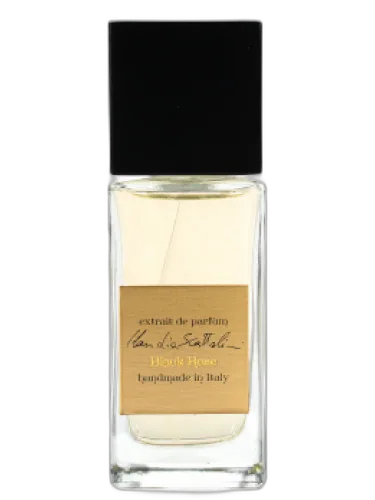
Claudia Scattolini
Black Rose Claudia Scattolini
Shared accords: aromatic, citrus, floral

Blood Concept
Ph Bright Oudh Blood Concept
Shared accords: aromatic, citrus, floral
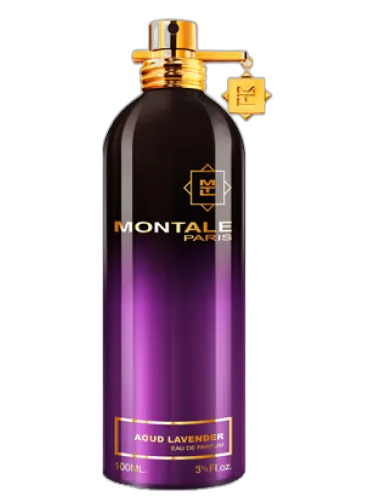
Montale
Aoud Lavender Montale
Shared accords: aromatic, citrus, floral
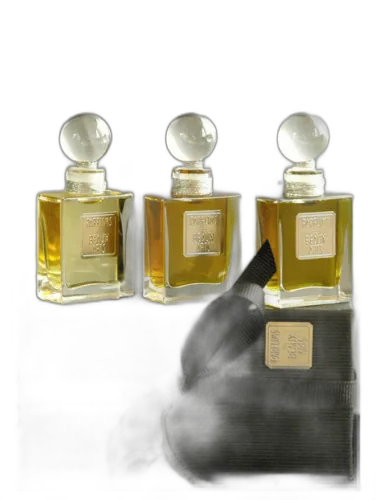
DSH Perfumes
Le Roi Soleil (the Perfumed Court; Natural) Dsh Perfumes
Shared accords: aromatic, citrus, floral
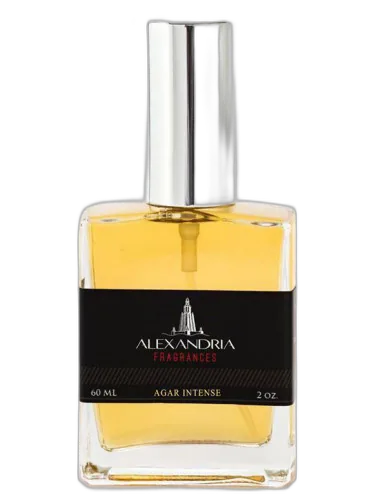
Alexandria Fragrances
Agar Intense Alexandria Fragrances
Shared accords: aromatic, fresh spicy, leather