


S-perfume S-perfume
At a glance
Is S-perfume S-perfume worth trying?
S-Perfume by S-Perfume is a Aromatic Aquatic fragrance for women and men.
- Best match
- Casual wear in Summer
- Performance feel
- Good longevity with Moderate sillage
- Signature profile
- marine, salty, aromatic with Salt, Sea water, Musk
The first impression
S-Perfume by S-Perfume is a Aromatic Aquatic fragrance for women and men. S-Perfume was launched in 2000. The nose behind this fragrance is Alberto Morillas.
What shapes the scent
The perfumer behind it

Alberto Morillas
Alberto Morillas is a master perfumer based in Geneva, Switzerland, and a longtime collaborator with Firmenich. His style is known for refined, luminous compositions that balance natural elegance with modern clarity. He created the bold leather and spice of Amouage Opus VII - Reckless Leather, the fresh citrus depth of Acqua di Parma Colonia Intensa, and the woody warmth of Aedes de Venustas Palissandre D'or. His work has shaped contemporary perfumery across both niche and luxury houses.
Notes pyramid
All Notes
Complete scent profile
 Salt
Salt
 Sea water
 Musk
Resin
Musk
Resin
 Sandalwood
Bourbon Vanilla
Sandalwood
Bourbon Vanilla
 Thyme
Thyme
 Lily-of-the-Valley
 Lavender
The mood it creates
The Sage Archetype: Portrait of S-perfume S-perfume
Essence
To wear S-Perfume S-Perfume is to embrace an aura of quiet intensity-an olfactory paradox that is both minimalist and profound. This fragrance, with its clean yet enigmatic composition, speaks of a mind that values depth over ornamentation, essence over excess. The person who chooses it is not one for fleeting impressions; they seek meaning in the invisible, in the spaces between words and the silence beneath sound.
Above all, they are defined by the Sage-the archetype of wisdom, introspection, and relentless inquiry. Like Nietzsche’s Zarathustra, they descend from the mountains of thought to question the world, though they may not always find willing listeners. Their life is a continuous search for truth, not in dogmas but in the raw, unvarnished reality of existence. They are drawn to ideas like moths to flame, yet they are cautious, knowing that illumination can also burn.
Relationships
In love and friendship, they are selective, even guarded. They do not suffer fools gladly, and their patience for small talk is thin. Yet, for those who earn their trust, they are fiercely loyal, offering insights that cut to the core of a person’s being. Their relationships are built on intellectual and emotional intensity-conversations that stretch into the night, debates that sharpen the mind, silences that speak volumes.
Romantically, they seek a partner who is both an equal and a challenger-someone who can match their intellect but also disrupt their certainties. They are not prone to grand romantic gestures; instead, they express love through shared inquiry, through the quiet recognition of another’s depth.
Shadow
Yet, the Sage is not without their flaws. Their relentless pursuit of truth can become a form of arrogance-a belief that they alone see clearly while others stumble in darkness. They may withdraw too far into their mind, mistaking solitude for wisdom and alienation for enlightenment. Their disdain for superficiality can harden into cynicism, closing them off from the simple joys of life.
At their worst, they become the Recluse, a figure so consumed by thought that they forget how to live. They may dismiss emotion as irrational, love as a distraction, and human connection as a compromise. The very clarity they seek can become a prison, isolating them from the messy, beautiful chaos of existence.
Conclusion
Their tastes are refined but never ostentatious. They prefer the understated elegance of Japanese minimalism, the stark beauty of a well-composed photograph, or the quiet power of a Bach fugue. Their wardrobe is a study in restraint-neutral tones, natural fabrics, nothing that distracts from the essence of the self. They are drawn to literature that challenges, whether it be the aphorisms of Nietzsche, the meditations of Marcus Aurelius, or the existential musings of Camus.
Philosophy is not an abstract exercise for them; it is a way of life. They believe in the examined existence, in the necessity of doubt, and in the courage to face uncomfortable truths. Their values are rooted in authenticity-they despise pretense, hypocrisy, and the hollow rituals of social conformity. They would rather be misunderstood than diluted.
If you like this, try these
Fragrances with a comparable profile - shared accords, notes, and character.

S-Perfume
S-perfume V1.05 Jet Scent S-perfume
Shared top notes: bourbon vanilla, lavender, lily-of-the-valley
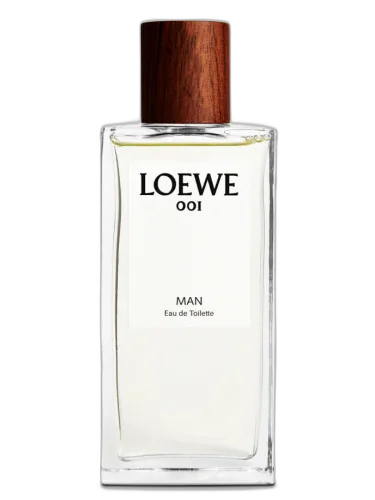
Loewe
Loewe 001 Man Edt Loewe
Shared top notes: lavender, musk, sandalwood

Dzintars
Briga (1982) Dzintars
Shared top notes: lavender, musk, sandalwood

Montale
Embruns D'essaouira Montale
Shared top notes: musk, sandalwood, sea water
Quiksilver
Quiksilver Quiksilver
Shared top notes: musk, salt, sandalwood