
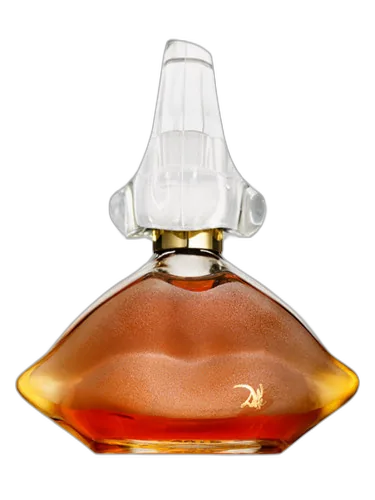
Dali Parfum De Toilette Salvador Dali
At a glance
Is Dali Parfum De Toilette Salvador Dali worth trying?
Dali Parfum de Toilette by Salvador Dali is a Oriental Floral fragrance for women.
- Best match
- Evening wear in Fall
- Performance feel
- Good longevity with Moderate sillage
- Signature profile
- amber, warm spicy, white floral with Aldehydes, Incense, Clove
The first impression
Dali Parfum de Toilette by Salvador Dali is a Oriental Floral fragrance for women. Dali Parfum de Toilette was launched in 1985. The nose behind this fragrance is Alberto Morillas. Top notes are Aldehydes, Incense, Clove, Fruity Notes, Basil, Green Notes, Bergamot and Mandarin Orange; middle notes are Narcissus, Lily, Jasmine, Tuberose, Mimosa, Orris Root, Rose, Lily-of-the-Valley and Orange Blossom; base notes are Benzoin, Myrrh, Amber, Sandalwood, Oakmoss, Vanilla, Cedar, Musk and Patchouli.
What shapes the scent
The perfumer behind it

Alberto Morillas
Alberto Morillas is a master perfumer based in Geneva, Switzerland, and a longtime collaborator with Firmenich. His style is known for refined, luminous compositions that balance natural elegance with modern clarity. He created the bold leather and spice of Amouage Opus VII - Reckless Leather, the fresh citrus depth of Acqua di Parma Colonia Intensa, and the woody warmth of Aedes de Venustas Palissandre D'or. His work has shaped contemporary perfumery across both niche and luxury houses.
Notes pyramid
Top Notes
First impression · 15-30 min
 Aldehydes
 Incense
 Clove
Clove
 Fruity Notes
 Basil
Basil
 Green Notes
 Bergamot
 Mandarin Orange
Heart Notes
Core character · 2-4 hours
 Narcissus
 Lily
Lily
 Jasmine
 Tuberose
 Mimosa
 Orris Root
 Rose
Rose
 Lily-of-the-Valley
 Orange Blossom
Base Notes
Lasting impression · 4+ hours
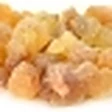 Benzoin
 Myrrh
Myrrh
 Amber
Amber
 Sandalwood
 Oakmoss
 Vanilla
 Cedar
Cedar
 Musk
Musk
 Patchouli
The mood it creates
The Lover Archetype: Portrait of Dali Parfum De Toilette Salvador Dali
Essence
The one who wears Dali Parfum De Toilette is not merely a connoisseur of scent but a devotee of the surreal, the uncanny, and the sublime. This fragrance-bold, enigmatic, and unapologetically avant-garde-mirrors the soul of its wearer: a person who exists between worlds, one foot in reality and the other in the realm of dreams. The Artist archetype defines them, for they are not content with passive existence; they must shape, distort, and reimagine life itself.
Like Salvador Dali’s melting clocks, their perception of time and order is fluid. They do not submit to convention but bend it, creating a personal mythology where the irrational holds as much weight as logic. Their mind is a theater of symbols, and their life, a canvas upon which they paint their desires, fears, and obsessions.
Shadow
Strengths: Vision, Authenticity, Courage
They see what others do not. Where most accept the world as it is, they ask: What if it were different? This refusal to conform grants them a rare authenticity-they are unafraid to be strange, to stand apart. Their courage lies not in defiance for its own sake but in their willingness to embrace their own complexity.
They are creators, whether through painting, writing, or simply the way they live. Their existence is art, and they sculpt it daily.
Flaws: Self-Absorption, Instability, Escapism
Yet the shadow of the Artist is a tempest. Their obsession with their inner world can blind them to others’ needs. They may dismiss practicality as mundane, leaving chaos in their wake-unpaid bills, broken promises, relationships strained by their whims.
Their disdain for the ordinary can curdle into contempt. They may scorn those who live simply, mocking what they cannot understand. And when reality becomes too oppressive, they may retreat entirely-into fantasy, intoxication, or self-imposed exile.
Conclusion
Tastes & Style
Their aesthetic is an alchemy of opulence and rebellion. They favor the dramatic-rich fabrics, unexpected textures, and pieces that provoke. A velvet jacket with an asymmetrical cut, a brooch that resembles a twisted figure, or a scarf printed with obscure art references-these are their armor. They do not dress to blend in but to declare their presence.
In art, they are drawn to the surrealists, the symbolists, the creators who dismantle reality and reassemble it into something stranger. They may collect odd trinkets-antique keys, broken dolls, or fragments of old manuscripts-each carrying a story only they fully understand.
Philosophy & Values
They believe in the power of the irrational. While others seek order, they find truth in chaos. Beauty, to them, is not harmony but tension-the moment before a storm breaks, the flicker of madness in a lover’s eye. They reject dogma, yet they are not nihilists; they simply insist that meaning is not fixed but fluid, shaped by perception.
Their morality is personal, sometimes contradictory. They may champion radical freedom yet be fiercely loyal to a select few. They despise hypocrisy but may indulge in their own paradoxes-preaching detachment while secretly craving adoration.
Relationships
They attract and repel in equal measure. Their magnetism lies in their unpredictability-they are the kind of person who sends cryptic letters at midnight or disappears for weeks only to return with a fantastical tale. But this same quality can make them elusive, even frustrating.
Romantically, they are drawn to intensity. A stable, predictable love bores them; they crave passion that borders on obsession. Their partners must be willing to step into their labyrinth, to embrace both their brilliance and their storms. Yet, if they are not careful, their need for emotional spectacle can lead to self-destructive cycles.
If you like this, try these
Fragrances with a comparable profile - shared accords, notes, and character.
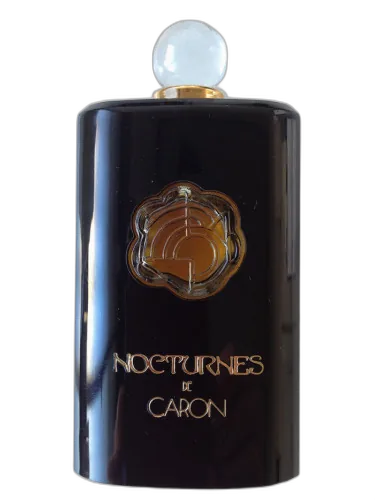
Caron
Nocturnes De Caron Parfum Caron
Shared top notes: aldehydes, bergamot, fruity notes
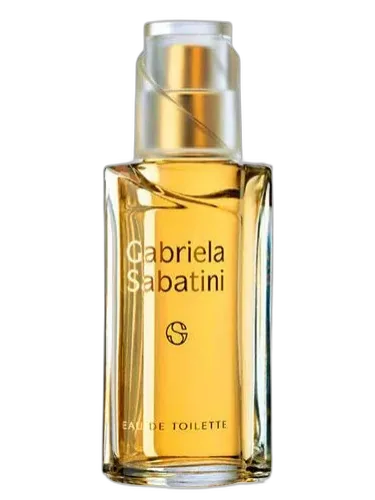
Gabriela Sabatini
Gabriela Sabatini Gabriela Sabatini
Shared top notes: aldehydes, bergamot, fruity notes
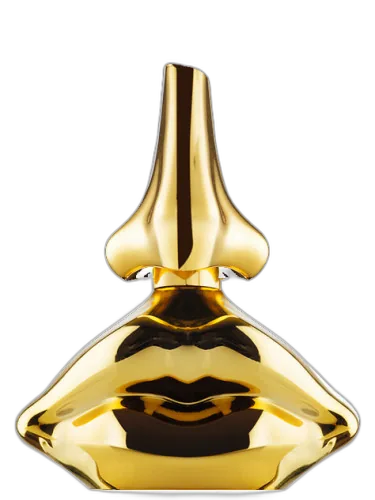
Salvador Dali
Fabulous 1 - Dali Salvador Dali
Shared top notes: aldehydes, basil, bergamot
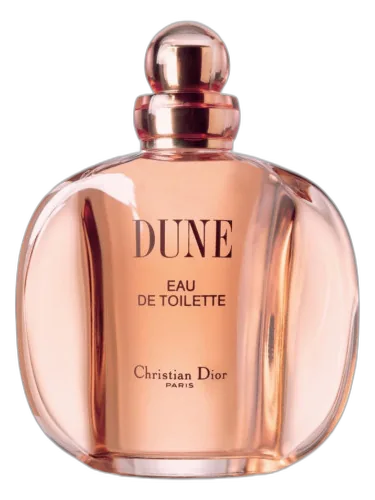
Dior
Dune Dior
Shared top notes: aldehydes, bergamot, mandarin orange
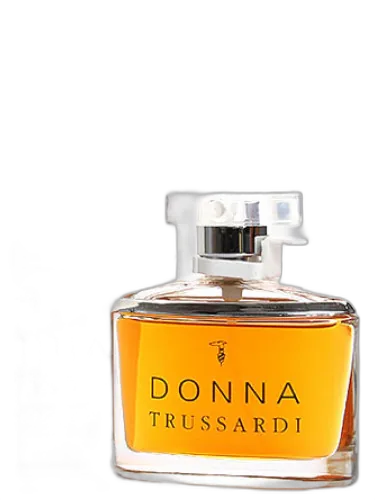
Trussardi
Donna Trussardi Trussardi
Shared top notes: aldehydes, basil, bergamot