
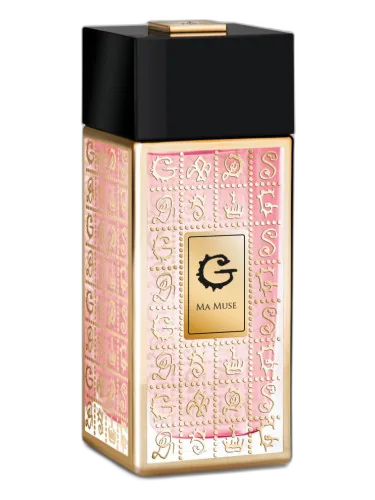
Ma Muse Salvador Dali
At a glance
Is Ma Muse Salvador Dali worth trying?
Ma Muse by Salvador Dali is a Floral fragrance for women.
- Best match
- Evening wear in Fall
- Performance feel
- Good longevity with Moderate sillage
- Signature profile
- floral, powdery, almond with Heliotrope, Almond, Vanilla Orchid
The first impression
Ma Muse by Salvador Dali is a Floral fragrance for women. Ma Muse was launched in 2017. The nose behind this fragrance is Amelie Bourgeois. Top notes are Heliotrope and Almond; middle notes are Vanilla Orchid, Tuberose and Jasmine; base note is Carnation.
What shapes the scent
The perfumer behind it

Amelie Bourgeois
Amelie Bourgeois is a French perfumer known for her work with the niche houses Aether and Alexandre.J. Her style blends experimental, synthetic accords with natural elements, often exploring contrasts like citrus and musk or rose and alkanes. She created the Aether Oxyde and Carboneum compositions, as well as Alexandre.J’s Mandarine Sultane and Passion Bliss.
Notes pyramid
Top Notes
First impression · 15-30 min
 Heliotrope
 Almond
Heart Notes
Core character · 2-4 hours
 Vanilla Orchid
 Tuberose
 Jasmine
Base Notes
Lasting impression · 4+ hours
 Carnation
The mood it creates
The Lover Archetype: Portrait of Ma Muse Salvador Dali
Essence
The one who wears Ma Muse Salvador Dali is not merely a consumer of fragrance but an alchemist of experience. Their soul is drawn to the surreal, the unexpected, and the intoxicating-much like Dali’s own melting clocks and dreamlike landscapes. The Artist archetype defines them, for they see the world not as it is, but as it could be. They are the weaver of visions, the conjurer of beauty in the mundane. Yet, like all archetypes, this one casts a shadow-where creation risks becoming obsession, and passion tilts into self-indulgence.
Style & Aesthetic
Their presence is an act of deliberate composition. They favor bold contrasts-dark fabrics with metallic accents, structured silhouettes softened by flowing details. Their wardrobe is less about trends and more about statement, each piece a brushstroke in the larger canvas of their identity. They may gravitate toward vintage finds, not out of nostalgia, but because they appreciate the patina of time-the way history lingers in textures and scents.
Their home is an extension of this aesthetic: a carefully curated chaos. A gilded mirror hangs beside a modern abstract painting; a stack of leather-bound books sits next to a sleek, minimalist lamp. They are drawn to objects that tell a story, that evoke a mood rather than merely serve a function.
They thrive in cities where art pulses through the streets-Paris, Barcelona, Berlin. They are the one who lingers in galleries long after others have left, who strikes up conversations with strangers in dimly lit bars. Their career, if conventional at all, is merely a vessel for their creativity-perhaps they are a designer, a writer, a curator, or simply a perpetual student of life.
But the shadow follows: their disdain for routine can make discipline elusive. Projects are abandoned when the initial thrill fades; plans are made and unmade on whims. They may struggle with the mundane necessities of existence, viewing them as chains rather than foundations.
Philosophy & Values
They believe life should be felt, not just lived. Rationality has its place, but they trust intuition as their truest compass. Their philosophy is one of radical authenticity-they reject the notion that one must choose between beauty and depth. To them, the two are inseparable.
They value freedom above all else-freedom to create, to love, to reinvent themselves. Routine is their enemy; spontaneity, their muse. Yet this very love of freedom can make commitment difficult. They fear stagnation more than failure, and thus, they may drift through relationships and projects, always chasing the next spark of inspiration.
Relationships
They are magnetic, effortlessly drawing others into their orbit. Their conversations are laced with wit and metaphor, their laughter infectious. They love deeply, but on their own terms-romance is a dance, a game of seduction and revelation.
Yet here lies the shadow: their relationships can feel like exhibitions rather than true unions. They may unconsciously perform love rather than surrender to it, always keeping one foot outside the frame. Partners may feel adored but never entirely known, for the Artist fears that to be fully seen is to risk losing their mystique.
Shadow
The Artist’s greatest strength-their boundless imagination-can also be their undoing. When unchecked, their pursuit of beauty becomes hedonism; their love of freedom morphs into avoidance. They may lose themselves in aesthetic pleasures-fine wines, late nights, fleeting romances-mistaking intensity for meaning.
And yet, even in their excesses, there is a kind of wisdom. They understand, perhaps better than most, that life is fleeting, and so they refuse to live it half-heartedly. Their flaws are the price of their brilliance, the necessary counterweight to their vision.
Conclusion
Ma Muse Salvador Dali is more than a scent to them-it is a declaration. A blend of amber, vanilla, and spice, it is warm yet enigmatic, sensual yet elusive-just like them. In its depths, they find a reflection of their own duality: the dreamer and the decadent, the creator and the wanderer.
They will never be simple, never be tame. And perhaps that is precisely the point.
If you like this, try these
Fragrances with a comparable profile - shared accords, notes, and character.
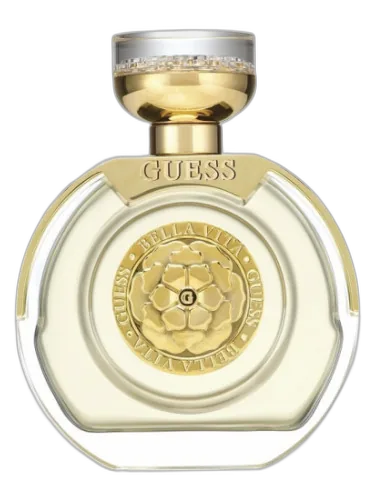
Guess
Bella Vita Guess
Shared heart notes: jasmine, tuberose, vanilla orchid

Paris Elysees
Romantic Dream Paris Elysees
Shared top notes: almond
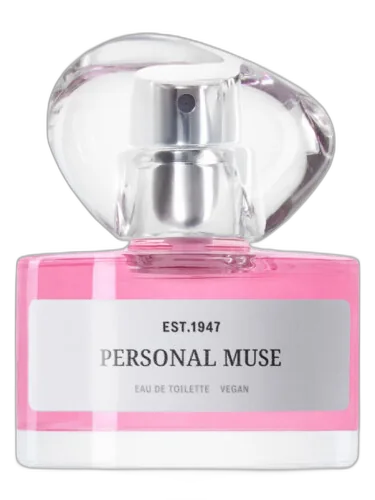
H&M
Personal Muse H&m
Shared top notes: almond

Brown Girl Jane
Dusk Brown Girl Jane
Shared top notes: almond
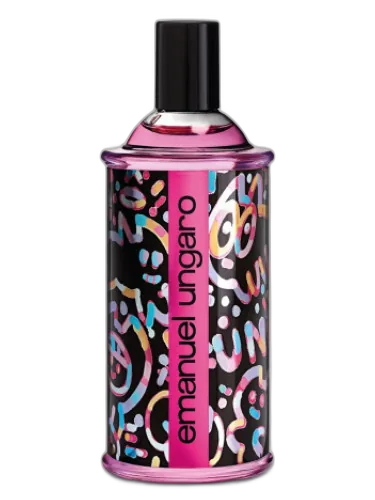
Emanuel Ungaro
Emanuel Ungaro For Her Emanuel Ungaro
Shared top notes: almond