
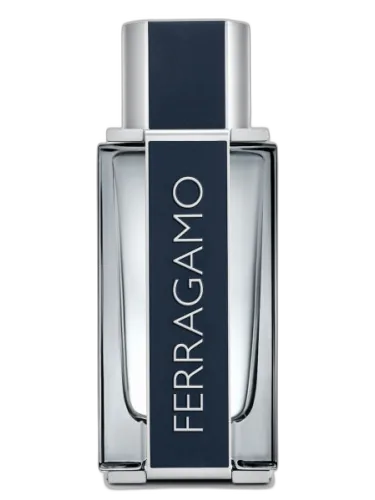

Ferragamo Salvatore Ferragamo
At a glance
Is Ferragamo Salvatore Ferragamo worth trying?
Ferragamo by Salvatore Ferragamo is a Aromatic Fougere fragrance for men.
- Best match
- Casual wear in Spring, Summer
- Performance feel
- Moderate longevity with Moderate sillage
- Signature profile
- aromatic, citrus, woody with Sage, Bergamot, Lemon
The first impression
Ferragamo by Salvatore Ferragamo is a Aromatic Fougere fragrance for men. Ferragamo was launched in 2020. The nose behind this fragrance is Antoine Maisondieu. Top notes are Sage, Bergamot and Lemon; middle notes are Violet Leaf, Cedar and Leather; base notes are Oakmoss, Musk and Vetiver.
What shapes the scent
The perfumer behind it

Antoine Maisondieu
Antoine Maisondieu is a French perfumer and a senior vice president at Givaudan, where he has worked for decades. He is known for creating refined, modern compositions that balance natural elegance with subtle complexity. His work includes the woody, leathery Bottega Veneta Pour Homme and the fresh, floral Acqua di Parma Magnolia Nobile.
Notes pyramid
Top Notes
First impression · 15-30 min
 Sage
Sage
 Bergamot
 Lemon
Lemon
Heart Notes
Core character · 2-4 hours
 Violet Leaf
 Cedar
Cedar
 Leather
Base Notes
Lasting impression · 4+ hours
 Oakmoss
 Musk
Musk
 Vetiver
The mood it creates
The Creator Archetype: Portrait of Ferragamo Salvatore Ferragamo
Essence
To wear Salvatore Ferragamo is to embrace a fragrance that balances refinement with quiet confidence-an olfactory signature for those who value elegance without ostentation. The person who chooses this scent is likely aligned with the Creator archetype, a figure who shapes their world with intention, artistry, and an eye for timeless beauty. They are not merely consumers of life but its architects, crafting their existence with deliberation.
Shadow
Yet the Creator’s pursuit of beauty has its dark twin: a tendency toward rigidity. Their exacting standards can slip into perfectionism, leaving them frustrated when reality falls short of their vision. They may grow impatient with those who lack their discipline, dismissing carelessness as a moral failing.
There is also the risk of aesthetic solipsism-becoming so enamored with their own curated world that they withdraw from messier, more vital human experiences. Life, after all, is not always harmonious; sometimes it demands surrender to chaos. If they are not careful, their love of control may calcify into intolerance for spontaneity.
Conclusion
Their tastes are defined by understated sophistication. They prefer tailored silhouettes over fleeting trends, artisanal craftsmanship over mass production. In their home, every object has been chosen with care-perhaps a vintage leather armchair, a well-bound book, a single statement piece of art. They appreciate the slow pleasures: the ritual of brewing coffee in a hand-thrown ceramic mug, the weight of quality paper beneath a fountain pen.
Philosophically, they believe in the power of form to elevate function. Beauty is not frivolous but a necessity, a way to honor the senses and the intellect. They might quote Oscar Wilde: "It is only shallow people who do not judge by appearances." Yet their aesthetic is never garish; it is measured, deliberate, a quiet rebellion against the chaos of the modern world.
If you like this, try these
Fragrances with a comparable profile - shared accords, notes, and character.

Begim
Bukhara Spirit For Man Begim
Shared top notes: bergamot, lemon, sage
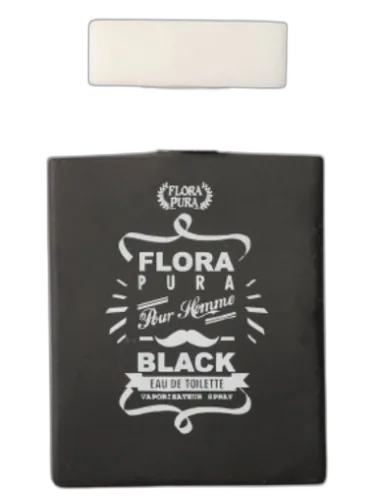
Flora Pura
Black Pour Homme Flora Pura
Shared top notes: bergamot

Avon
Ironman Extreme Avon
Shared top notes: bergamot

M.INT
Rainy City M.int
Shared top notes: bergamot, lemon
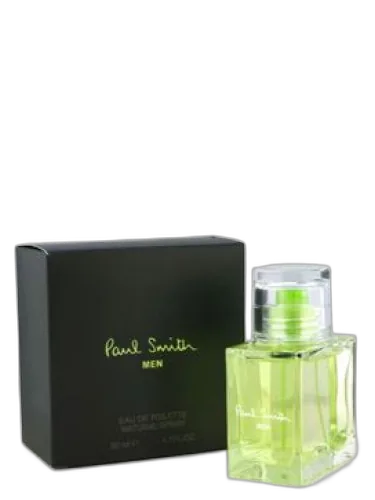
Paul Smith
Paul Smith Men Paul Smith
Shared top notes: bergamot